
17 July 2026
Ashwagandha (Withania somnifera) is one of Ayurveda’s most valued Rasayana herbs. Traditionally used to support vitality, resilience, restful sleep, and overall wellbeing, it has been part of Ayurvedic practice for centuries. This guide explains Ashwagandha’s traditional uses, dosage, safety, nutritional compounds, and what modern scientific research says about its potential benefits.

Ashwagandha at a Glance
Feature | Details |
Botanical Name | Withania somnifera |
Ayurvedic Classification | Rasayana |
Sanskrit Name | Ashwagandha |
Common Forms | Powder (Churna), Tablets, Capsules |
Traditionally Used For | Vitality, stress resilience, sleep, strength |
Dosha Action | Traditionally balances Vata and Kapha |
Best Time | Usually with food or as advised by an Ayurvedic practitioner |
What Is Ashwagandha?
“Golden Mylk” latte, the top-selling wellness drink in Chicago’s famous Oromo Café chain, has a familiar ingredient that never fails to delight visiting Indians. The ‘secret’ elixir in the drink is none other than the potent Ayurvedic herb, Ashwagandha. One of the first Ayurvedic herbs to be recognised by the Western world as a natural adaptogen, Ashwagandha was in popular use in Vedic India way back in the second century BC. Today, from Jennifer Aniston to our very own Deepika Padukone, all are strong advocates of this vitalising herb – sometimes referred to as the Indian ginseng – and used in wellness potions, lattes, curative herbal formulations and even skincare rituals.
Ashwagandha (Withania somnifera) in Sanskrit means ‘smell of a horse’. Indeed, the herb has a distinct aroma, but the name also alludes to its strength-giving properties that help build resilience and vigour. The origins of the herb may be traced to the drier regions of India, north Africa and West Asia, where, for centuries, it has been used in curative powders and tinctures.
Validated by scientific research and reports in leading health organisations such as the National Institutes of Health (NIH, US), the efficacy of Ashwagandha is well established worldwide. In one of the reports, the NIH states: ‘In several studies, people who took ashwagandha for 6 to 8 weeks reported that they felt less stress and anxiety as well as less fatigue and sleeplessness. Ashwagandha also lowered stress hormone levels.’ In Ayurveda, Ashwagandha is often used to promote holistic health by balancing the three doshas (energies within the body, believed to govern physiological activity) —Vata, Pitta, and Kapha.
What Are the Key Nutrients and Active Compounds in Ashwagandha?
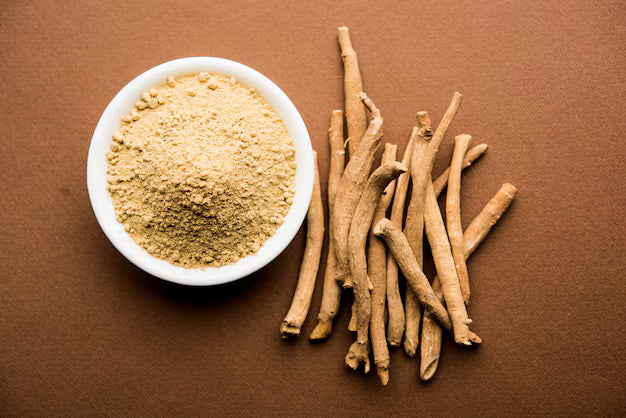
Its root has volatile oils, alkaloids like withaniol, Hentriconate, and somniferin
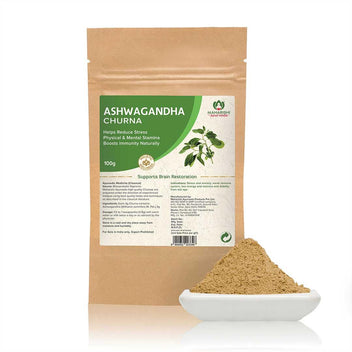
Ashwagandha Churna: Natural Support for Stress & Vitality
Experience holistic balance and improved energy levels with this Ayurvedic adaptogen.
1. How Does Ashwagandha Support Mental Clarity and Focus?
This remarkable herb is known for its potential to improve mental clarity and focus. By calming the mind, Ashwagandha may help reduce anxiety and promote a balanced mood, making it beneficial for those facing daily stressors.
2. What Are the Benefits of Ashwagandha for Men?
Ashwagandha is often regarded as a natural booster for male vitality. It may enhance strength and stamina, supporting sexual health and overall physical performance, which can be particularly beneficial for those experiencing sexual debility.
3. What Are the Benefits of Ashwagandha for Women?
For women, Ashwagandha may help regulate hormonal fluctuations, offer relief from PMS symptoms, and support reproductive health. It is also traditionally used with ghee to help manage conditions such as leucorrhoea.
4. How Does Ashwagandha Support Immune Function?
Regular consumption of Ashwagandha may support the immune system, helping protect against common ailments and promoting overall health.
Also Check: Top 6 Powerful Immunity Boosters →
5. How Can Ashwagandha Help With Inflammation and Joint Pain?
Ashwagandha’s anti-inflammatory effects may benefit people experiencing joint pain or inflammatory conditions by providing relief and supporting mobility.
6. Can Ashwagandha Support Weight Management?
Whether you are looking to gain weight or manage it, Ashwagandha is recognised for its ability to nourish the body, making it a versatile addition to a wellness routine.
7. Is Ashwagandha Beneficial for Children?
Ashwagandha may help nourish children because of its Brihaniya, or nourishing, and Rasayana properties. It may support healthy weight gain, particularly in children experiencing emaciation, when traditionally given with milk and ghee.
How to Incorporate Ashwagandha Into Your Daily Routine
1. With Warm Milk
For a calming effect, mix Ashwagandha powder with warm milk before bedtime. This traditional remedy may support better sleep and stress relief, making it an ideal evening ritual.
2. With Ghee for Weight Gain
If you’re looking to gain weight, combine Ashwagandha with ghee and warm milk. This combination is believed to nourish the body and build strength, especially in those recovering from illness or fatigue.
3. For Joint Pain
If you’re experiencing discomfort from inflammation, mix Ashwagandha powder with warm water or milk. This may help alleviate joint pain and promote mobility.
4. Recommended Dosage
The typical dosage ranges from 3 to 6 grams twice a day, depending on individual needs. For insomnia, it’s often recommended to take it once at night. Always consult with a healthcare professional for personalized advice.
5. What Is the Best Time to Take Ashwagandha Powder?
Morning consumption on an empty stomach is ideal for those looking to enhance vitality (Rasayana purpose), while evening doses can be more beneficial for stress relief.
6. Safety Considerations
While Ashwagandha is generally safe, those with specific health conditions or sensitivities should seek guidance from a healthcare provider before starting.
Precautions and Side Effects of Ashwagandha
While Ashwagandha is generally safe, high doses may lead to digestive upset or drowsiness in some individuals. It’s important to start with a lower dose and monitor your body’s response.
Pregnant women should consult their doctor before using Ashwagandha, even though it is often considered safe. Additionally, those with hyperthyroid conditions or taking certain medications, such as antidepressants, should seek medical advice before incorporating it into their routine.
Interactions with Medications
Ashwagandha may interact with various medications, including those for thyroid issues and mood disorders. Always inform your healthcare provider about any supplements you are taking.
Individuals with a history of allergies to nightshade plants (which include Ashwagandha) should exercise caution. It’s also advisable for those with digestive issues to consult a professional before starting.
For personalized guidance and to ensure safe use, consulting with an Ayurvedic expert or healthcare provider is highly encouraged. They can provide tailored advice based on your health history and needs.
Comparative Benefits: Ashwagandha vs Other Herbs
Herb | Key Benefits | Unique Qualities |
Ashwagandha | Supports stress relief, boosts energy, enhances cognitive function | Adaptogen known for balancing Vata, Pitta, and Kapha doshas |
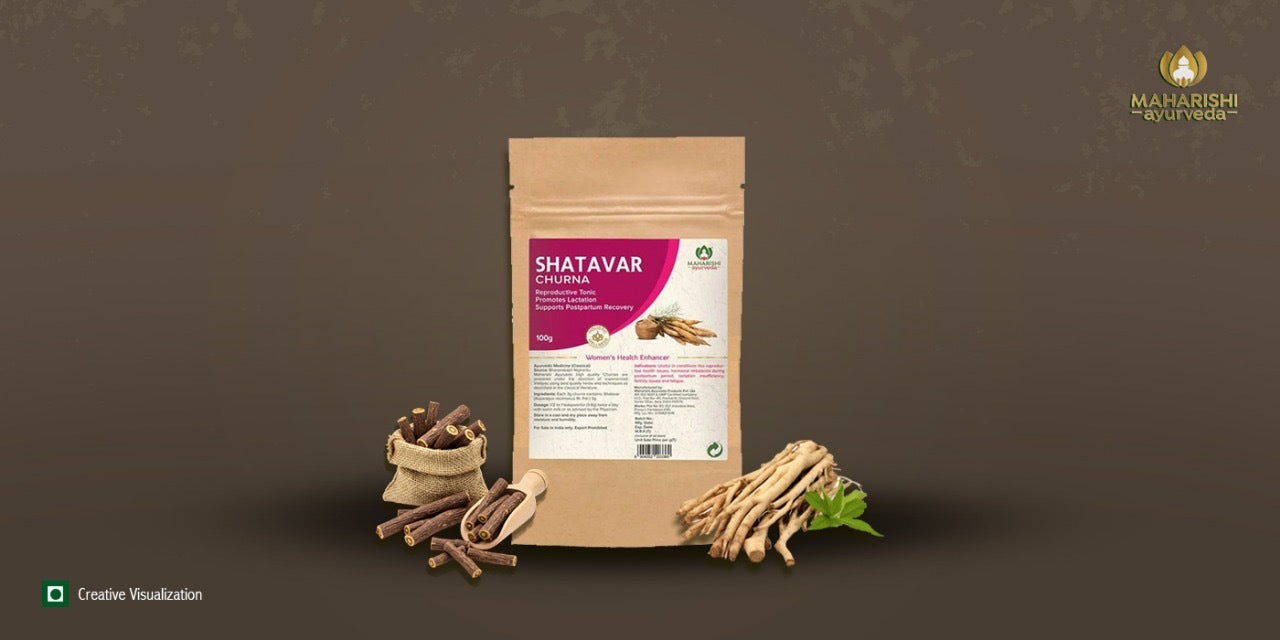
Shatavari | Supports female reproductive health, balances hormones | Often used for nourishing women during pregnancy and lactation |
Enhances memory, reduces anxiety | Known for promoting mental clarity and cognitive function | |
Supports respiratory health, boosts immunity | Revered as a sacred plant in Ayurveda with adaptogenic properties |
In comparing Ashwagandha with other herbs like Shatavari, Brahmi, and Tulsi, each offers unique benefits that cater to different health needs. While Ashwagandha is primarily recognized for its stress-relieving and energy-boosting properties, Shatavari is celebrated for its supportive role in women’s health. Brahmi shines in cognitive enhancement, while Tulsi is revered for its immune-boosting qualities. Understanding these differences can empower you to choose the right herb for your specific wellness goals.
Ayurvedic Context of Ashwagandha
Traditionally, Ashwagandha is revered as a rasayana (rejuvenative tonic) in ayurveda used to support physical vitality and longevity. However, its wide-ranging benefits include promoting a clear, calm mental state conducive to meditation.
In Ayurvedic texts down the centuries, Ashwagandha is mentioned as a remedy for myriad ailments, ranging from stress and anxiety to reproductive health. The herb is said to balance the doshas Vata and Kapha and promote holistic health. Culturally, Ashwagandha is widely used in rituals and traditional ceremonies, symbolising strength and resilience.
Conclusion: Should You Add Ashwagandha to Your Routine?
Yes, ideally in consultation with an Ayurveda practitioner to ensure optimum, personalised benefits and safety. Ashwagandha powder is believed to enhance your overall well-being and bring balance while boosting vitality.
Especially in the context of high-pressure modern living and environmental stressors, incorporating Ashwagandha into your daily wellness routine could be a significant positive step in your journey to be the best version of yourself: mind and body.
As you consider integrating Ashwagandha into your wellness journey, remember to do so with mindfulness and respect for its rich heritage.
Ready to experience the power of Ashwagandha? Shop Maharishi Ayurveda Ashwagandha Churna today and bring balance to your daily life.
Ashwagandha Churna: Natural Support for Stress & Vitality
Experience holistic balance and improved energy levels with this Ayurvedic adaptogen.
Doonited Affiliated: Syndicate News Hunt
This report has been published as part of an auto-generated syndicated wire feed. Except for the headline, the content has not been modified or edited by Doonited