
01 May 2026
Think about her for a moment.

She was the daughter who never asked for much. The sister who always had time for everyone else. The wife who kept the house running. The mother who stayed up when you were unwell, who forgot her own meal because yours needed to be warm first.
She just keeps going. And the world has come to expect that she always will.
But here is what we rarely say out loud: she gets tired. She falls sick. She feels low. And more often than not, she pushes through all of it, quietly, without complaint, because somewhere along the way she was told that caring for herself was selfish.
This Mother’s Day, let us change that.
The Body That Never Gets a Day Off
Women need up to 20-30 minutes more sleep than men per night, according to research. This is not a weakness. It is biology. Hormonal fluctuations during menstruation, pregnancy and menopause, alongside managing the psychological burden of home and children, are taxing her system. But she takes the least time to care for herself.
Women’s health is not a luxury. It is a necessity. And Ayurveda, the science of wellness from ancient India, has known that for millennia. It has laid down all the important phases of a woman’s life and her needs at each of these.
Let’s explore those stages.
When Her Cycle Speaks
Every woman’s monthly cycle (menstruation) is different. Some of us experience severe menstrual pain. Some experience heavy or enduring period bleeding, irritability, headaches or extreme fatigue. These are not minor irritations. They are cries for help.
Rajaswala Paricharya (menstrual care) is recommended by Ayurveda. It includes rest, avoiding heavy work for the first three days of menses (menstruation ), fresh, warm, easy-to-digest food. Easier said than done, many mothers don’t receive this. They are cooking, driving kids to school, taking phone calls and getting to bed last.
The key to menstrual pain is to listen to your body. We just need to listen to it, and it’s been saying something for quite a while now.

After the Baby: The Recovery Nobody Talks About
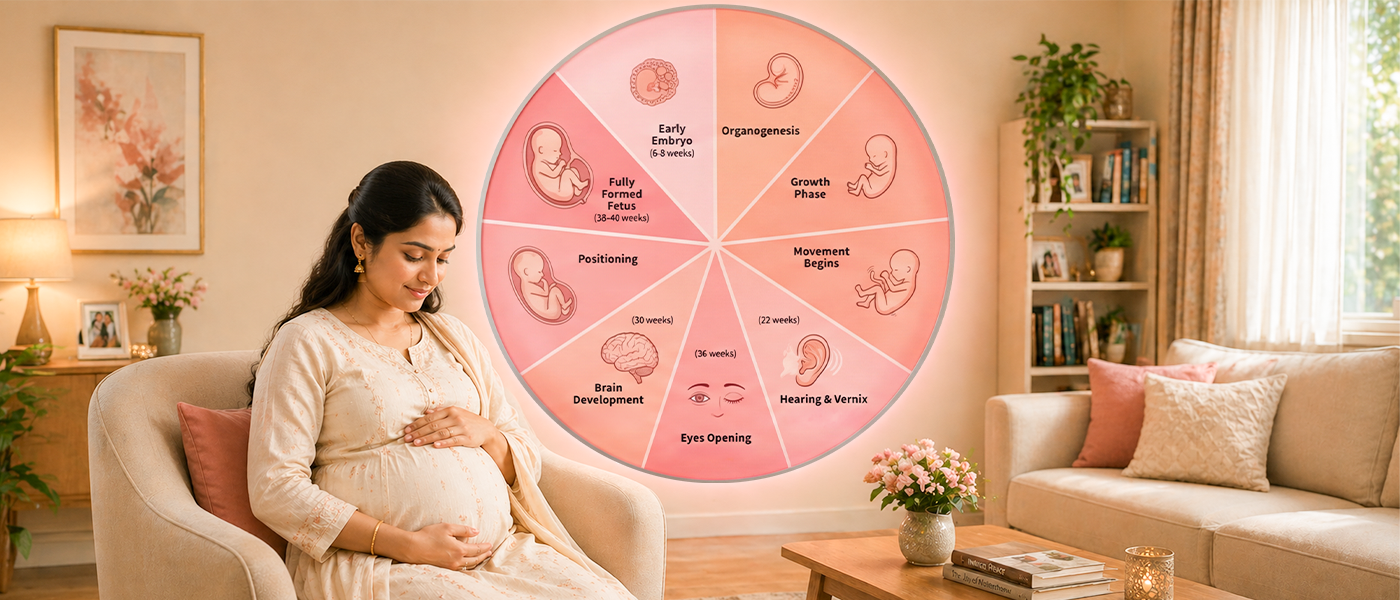
Giving birth is a physically exhausting process. Postpartum, there are drastic changes in hormones, shrinkage of the uterus, post-delivery body aches, weakening of the pelvic muscles, hair loss and emotional changes. The first six weeks can be tough, particularly after a C-section.
Yet, within days, she is expected to breastfeed, cuddle, clean and dress the newborn, often night after night, with little or no help, and little or no sleep.
Ayurveda recommends Sutika Paricharya (postpartum care). It explains that following the delivery, the body is Shunya (empty), and Vata dosha (the life force that regulates movement and the nervous system) is increased. This makes the mother susceptible to fatigue after delivery, pain after delivery and depression. According to the ancient texts, the mother requires at least 12 weeks of special attention, which includes:
- Warm oil massage (Abhyanga) with Bala or Ashwagandha oil to calm Vata and build strength
- Oil massage of the head with ghee to soothe and relax the mother
- Hot and nutritious food like dry fruit laddus with ghee
- Shatavari, a known herb to promote lactation (breast milk flow)
- Iron and calcium supplements, as much blood and flesh is lost during birth
The new mother should be shielded from cold foods and cold weather, as well as emotional turmoil. In the texts, she is to be protected from grief (Shoka), fear (Bhaya) and anger (Krodha).
This is not pampering. This is medicine.
The Middle Years: When the Body Shifts Again
Once the children are older, a new phase quietly begins. Perimenopause and menopause mark the gradual ending of the monthly cycle. In Ayurveda, this is understood as a transition into the Vata phase of life, and it brings its own set of challenges.
Hot flashes, night sweats, irregular cycles, mood swings, disrupted sleep, brain fog, vaginal dryness, weakened bones, and slowing metabolism are all common. Many women dismiss these as simply getting older. They are not. They are signs that the body needs care and attention.
Ayurveda’s approach to hormonal imbalance in females focuses on balancing the doshas (the three fundamental energies: Vata, Pitta, and Kapha) and nourishing the depleted tissues. Key supports include:
- Shatavari, a source of phytoestrogens (plant-based hormone-like compounds) that support hormonal balance
- Ashwagandha and Brahmi to manage stress, anxiety, and poor sleep
- Ksheerbala Taila (a classical medicated oil) to pacify Vata
- Herbal infusions to support digestion and boost metabolism
- Restone and Vigoryl F for hormonal balance and restoring strength and stamina
- Worry-Free and Blissful Sleep formulations for stress recovery and proper rest
These are not just wellness products. They are time-tested tools for women’s wellness, rooted in thousands of years of Ayurvedic practice.
When She Becomes the Elder
And then she grows older. The children have their own lives. The grandchildren visit on weekends. She smiles through the aching knees. She doesn’t mention how she sleeps badly. She has not spoken about things for many years.
Old age means degenerative diseases: arthritis, stiff joints, constipation, loss of appetite, dry skin, and lack of blood circulation. Ayurveda treats these with Rasayana (rejuvenation therapy), which nourishes the body’s deepest tissues, enhances the immune system and helps slow down the ageing process.
Amrit Kalash, from Maharishi Ayurveda, is a Rasayana. It nourishes Rasa Dhatu (the primary nutritive tissue of the body) and other tissues, enhances Ojas (vital immunity and immunity), rejuvenates, and helps slow the ageing process.
For arthritis and stiffness, Pirant Oil and Dhanwantaram Oil are traditional oils that calm Vata, reduce stiffness and enhance blood circulation. For constipation, Triphala (a combination of three purifying fruits), Haritaki (a gentle laxative herb) and Isabgol husk (psyllium husk) promote clear bowel movements.
Nasya (oil therapy through the nose) and massaging the head keep the senses and mind clear. Walking, stretching, and yoga keep the digestion going and the joints and muscles flexible.
And finally: companionship. Celebrating her. Asking how she is. These are not optional gestures. They are essential medicines.
This Mother’s Day, Give Her Something That Actually Helps
The best Mother’s Day gifts are not always wrapped in a box. Sometimes they are a warm oil massage. A week when someone else cooks and she relaxes. A conversation that asks how she is really feeling and then waits for the answer.
But if you are looking for something meaningful, Maharishi Ayurveda’s range of women’s wellness products is built on classical Ayurvedic wisdom. From Shatavari for hormonal and reproductive support, to Blissful Sleep for proper rest, to Amrit Kalash for deep nourishment and immunity, these are gifts that work from the inside.
Because a healthy mother is not just a gift to herself. She is a gift to everyone around her.
She Has Cared for Everyone. It Is Time Someone Cares for her
Ayurveda teaches us that caring for a woman at every stage of her life is not charity. It is my duty. From her first cycle to her last breath, her body deserves attention, nourishment, and rest.
This Mother’s Day, and every day after it, let the woman who gave everything finally receive something in return: her health, her rest, and the care she has always deserved.
Celebrate Her Care with the Gift of Wellness
This Mother’s Day, give back to the woman who gave you everything. Explore our Ayurvedic solutions designed to support her energy, hormonal balance, and overall well-being naturally.
Shop Now: Maharishi Ayurveda India Women’s Wellness Collection
Doonited Affiliated: Syndicate News Hunt
This report has been published as part of an auto-generated syndicated wire feed. Except for the headline, the content has not been modified or edited by Doonited