

Show Quick Read
Key points generated by AI, verified by newsroom

- IMD stated Delhi unmet official heatwave criteria.
- Dry, moist winds, high humidity created oppressive discomfort.
Delhi endured sweltering weather on Tuesday, with the “feels like” temperature soaring to a blistering 53.5°C by 5.30 pm, intensifying discomfort across the national capital. Despite the extreme conditions, the India Meteorological Department (IMD) clarified that the city did not officially experience a heatwave as the required meteorological criteria were not met. High temperatures combined with rising humidity made conditions particularly oppressive, while weather experts attributed the phenomenon to the interaction of dry winds from Pakistan and moisture-laden southwesterly winds from the Arabian Sea.
Scorching Conditions
The maximum temperature at Safdarjung, Delhi’s base weather station, settled at 40.5°C, which was 3.1°C above normal. Among other stations, Palam recorded 41.0°C, Lodhi Road 40.1°C, Ayanagar 40.1°C, while Ridge emerged as the hottest location at 41.5°C, nearly 5°C above the seasonal average.
Minimum temperatures also remained significantly above normal, with Safdarjung and Palam both recording 30.2°C. Lodhi Road and Ayanagar registered even warmer nights at 31.2°C, adding to residents’ discomfort.
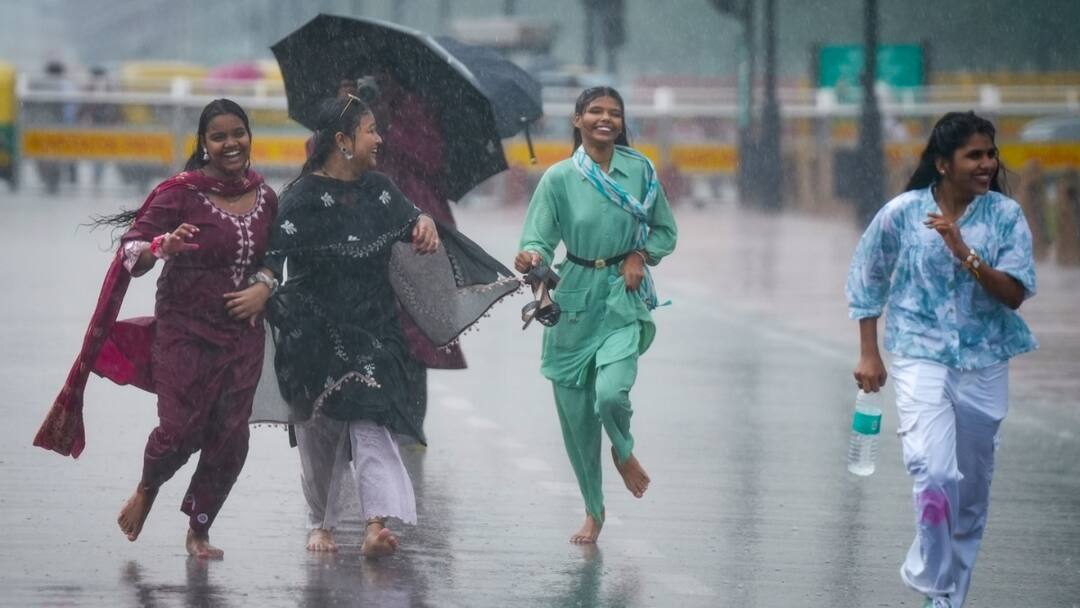
Although traces of rainfall were recorded at a few monitoring stations during the day, the showers were too light to provide any meaningful relief from the oppressive weather.
Also Read: Japan, India To Talk Security, Economy Keeping China In Mind
Why No Heatwave?
Despite the soaring temperatures, the IMD said Delhi did not qualify for an official heatwave declaration.
According to the weather office, a heatwave is declared only when at least two monitoring stations across the Haryana-Chandigarh-Delhi subdivision meet the prescribed threshold. On Tuesday, only one station satisfied the criteria, preventing an official heatwave classification.
Weather experts explained that the unusually high “feels like” temperature resulted from a combination of heat and humidity. Mahesh Palawat of Skymet said dry westerly winds originating from Pakistan continued to push daytime temperatures higher, while southwesterly winds from the Arabian Sea increased moisture levels over Delhi.
The interaction of these contrasting air masses led to cloud formation late in the afternoon. However, the moisture available was insufficient to trigger widespread rainfall. By the time clouds developed, the day’s peak temperature had already been recorded, causing both the actual and apparent temperatures to remain exceptionally high.
The combination of elevated temperatures and humidity is expected to keep weather conditions uncomfortable until more widespread rainfall reaches the capital.
SPECIAL REPORT: The Rise of Champat Rai, From Ram Janmabhoomi Strategist to Trust Chief Under Scrutiny
Doonited Affiliated: Syndicate News Hunt
This report has been published as part of an auto-generated syndicated wire feed. Except for the headline, the content has not been modified or edited by Doonited