

Show Quick Read
Key points generated by AI, verified by newsroom

- WHO strengthens preparedness, encourages heat health action plans.
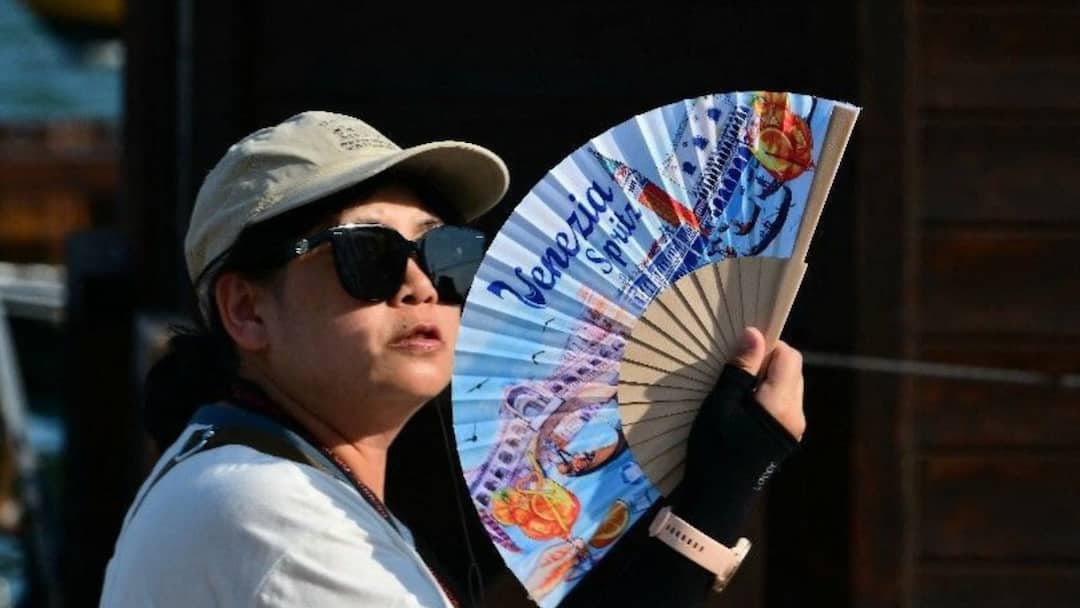
World Health Organization (WHO) Director-General Tedros Adhanom Ghebreyesus has warned that Europe is facing a worsening public health emergency as extreme heat becomes increasingly frequent due to climate change. In a statement, Tedros said Europe is the fastest-warming continent on Earth, heating at twice the global average, with around 150 million people currently living under extreme heat conditions. He added that more than 1,300 excess deaths linked to high temperatures have been recorded since June 21, underscoring the growing human cost of prolonged heatwaves.
‘Silent Killer’ Claims Lives
Tedros said heat stress is often described as a “silent killer” because many homes, workplaces and schools across Europe were not designed to cope with the increasingly high temperatures.
Europe is the fastest-warming continent on Earth, heating at twice the global average. Right now 150 million people are living under extreme heat, hundreds have died, schools are shut, grids are buckling.
Driven by climate change and global warming, the phenomenon of the…
— Tedros Adhanom Ghebreyesus (@DrTedros) June 28, 2026
According to the WHO chief, heatwaves that were once considered “once-in-a-generation” events are now occurring almost every year as climate change accelerates. He said the continent is warming at roughly twice the global average, placing millions of people at greater risk.
Tedros said the WHO is working with member states and partners to strengthen preparedness, improve prevention measures and build more resilient health systems. He also encouraged European countries to implement heat health action plans as part of wider efforts to protect public health from the impacts of climate change.
Also Read: Delhi Records Hottest Morning In Two Years; Heat Index Crosses 50°C
WHO Issues Heat Guidance
Separately, the WHO issued fresh guidance on protecting people from extreme heat during major sporting, religious and cultural events.
The organisation warned that prolonged outdoor exposure, large crowds and limited access to drinking water, cooling areas, sanitation facilities and medical services can significantly increase the risk of heat-related illness.
It urged event organisers to activate protective measures whenever heat alerts are issued. These include providing additional drinking water, expanding cooling spaces, improving queue management, increasing staffing and issuing clear public safety messages.
The extreme conditions have disrupted daily life across Europe, with schools closing, power grids coming under pressure and hundreds of heat-related deaths reported.
NEWS ALERT: Investigators Probe Digital Trail as Lohagad Fort Murder Case Scene Recreated
Doonited Affiliated: Syndicate News Hunt
This report has been published as part of an auto-generated syndicated wire feed. Except for the headline, the content has not been modified or edited by Doonited