
22 June 2026
What Is Dalchini (Cinnamon)?
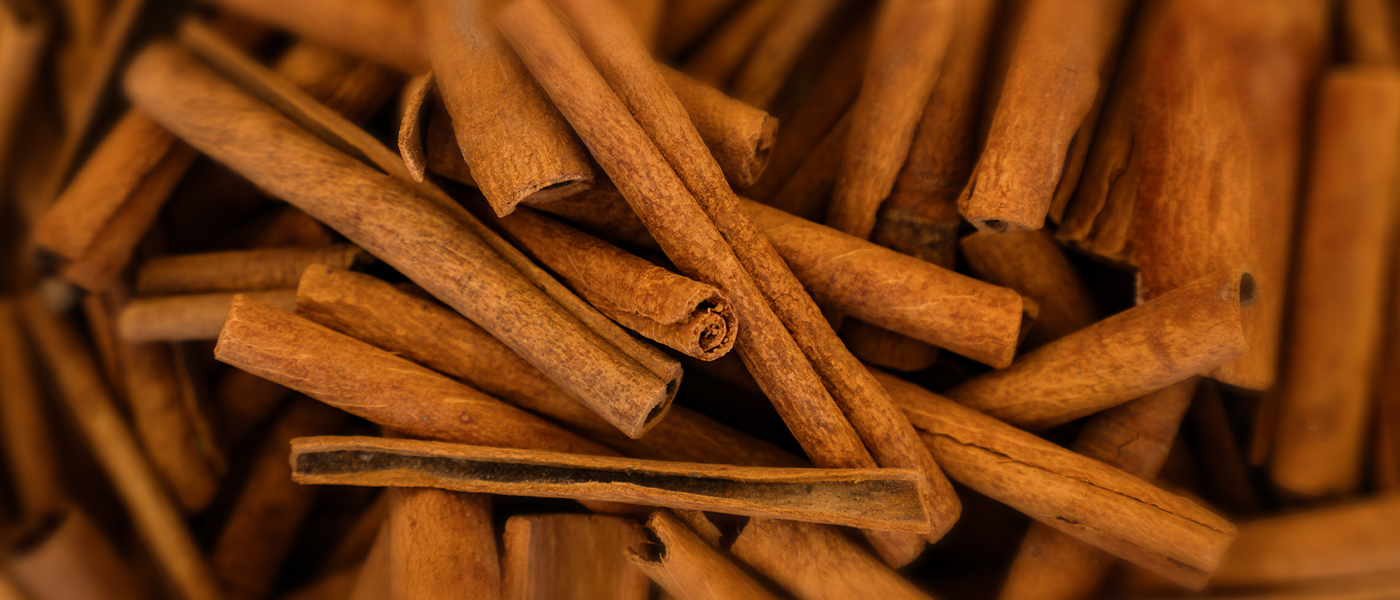
Dalchini is the Hindi name for cinnamon, the dried inner bark of a Cinnamomum tree. The bark may be rolled into a dalchini stick, ground into dalchini powder, or added to dalchini masala, tea and spice blends.

Term | Meaning |
Dalchini | Hindi name for cinnamon |
Cinnamon powder | Ground cinnamon bark |
Dalchini stick | Rolled, dried cinnamon bark |
Dalchini masala | Cinnamon used in a spice blend |
So, what is cinnamon powder? It is simply finely ground cinnamon bark. The dalchini plant or dalchini tree supplies the aromatic bark used in cooking and traditional wellness routines.
TL;DR – Dalchini Benefits, Uses & Side Effects
- Dalchini Is a Warming Spice: Cinnamon, or Dalchini, is traditionally used in Ayurveda to support Agni, digestion, appetite, and Kapha balance.
- Ceylon Cinnamon Is Preferred: Singhali or Ceylon cinnamon is thinner, sweeter, more aromatic, and traditionally considered gentler for regular culinary use.
- Supports Digestive Comfort: Small amounts of dalchini may help with heaviness, poor appetite, occasional bloating, nausea, and post-meal discomfort.
- May Support Blood Sugar Balance: Cinnamon may offer modest support for some people, but it should never replace diabetes medicines, monitoring, or medical care.
- Not a Weight-Loss Shortcut: Dalchini water or tea may replace sugary drinks and support metabolism, but it does not melt fat or cause major weight loss by itself.
- Useful in Cold Weather: Because it is Ushna and Kapha-balancing, dalchini is commonly used in winter teas, masala blends, and warm infusions.
- Use Powder Carefully: Dalchini powder is convenient but easy to overuse, so keep it to small culinary amounts in tea, oats, curries, rice, apples, or desserts.
- Overuse Can Cause Side Effects: Excess dalchini may cause acidity, mouth irritation, allergy, skin irritation, low blood sugar with diabetes medicines, or liver concerns with large cassia intake.
Types of Cinnamon: Ceylon, Cassia and Indian
The Vaidya notes describe three practical varieties:
- Cassia or Chinese cinnamon: Thicker bark with a sharper taste.
- Singhali or Sri Lankan cinnamon (Ceylon cinnamon): Thinner, sweeter, more aromatic and less teekshna (intensely sharp or penetrating). It is traditionally preferred for regular use.
- Indian cinnamon: Thicker and comparatively less sharp.
Is cinnamon sweet? Singhali cinnamon has a naturally sweeter aroma, although cinnamon itself remains a warming spice rather than a sweetener.

Dalchini Benefits for Health: The Ayurvedic View
Dalchini is described as pungent, slightly bitter and ushna (heating). It is considered:
- Deepana (supportive of digestive appetite)
- Pachana (supportive of the digestion of undigested residue)
- Grahi (supportive of healthy absorption)
- Vata-shamaka (Vata-balancing)
- Shleshma-hara (Kapha-reducing)
A classical Ayurvedic verse states:
“रोगाः सर्वेऽपि मन्देऽग्नौ”
Disorders arise when Agni (digestive fire) becomes weak.
— Ashtanga Hridaya, Nidanasthana
This does not mean dalchini cures every illness. The verse explains why Ayurveda gives such importance to digestion, and why a warming spice should be selected only when it suits the individual.
Dalchini for Digestion
By supporting Agni (digestive capacity), dalchini may help with heaviness, poor appetite, occasional bloating or discomfort following poorly digested food.
Traditional use includes keeping a tiny piece of dalchini stick in the mouth for nausea or unpleasant breath, but it should be removed if irritation occurs. Toothache or severe menstrual cramps require professional assessment.
A simple kitchen tip from the Vaidya notes is to sprinkle a little dalchini powder over the apple if eating apple tends to leave you feeling bloated.
Dalchini for Blood Sugar Support
Does cinnamon reduce blood sugar? It may offer modest support for some people, but the available findings are mixed.
Dalchini must not replace diabetes medicines, balanced meals, blood-sugar monitoring or medical care. Anyone taking blood-sugar-lowering medicine should avoid high-dose cinnamon unless advised by a healthcare professional.
Dalchini for Weight Loss
Dalchini for weight loss is best understood as a supportive habit, not a fat burner.
It can add flavour to unsweetened drinks, help replace sugary beverages and complement a digestion-focused routine. Cinnamon alone does not melt belly fat or produce major weight loss. It only helps in reducing kapha, its usna veerya even helps in improving metabolism.
Dalchini for Skin
Is cinnamon good for skin? Traditional notes mention a thin paste for vyanga (facial pigmentation) and nyachha (dark patches).
However, cinnamon can irritate sensitive skin. Concentrated dalchini powder or cinnamon oil should not be applied directly without guidance from a qualified Ayurvedic practitioner.
Dalchini for Cold, Cough and Kapha Balance
Because it is warming and Kapha-shamaka (Kapha-balancing), dalchini is commonly included in winter teas and masala blends.
It may offer warmth and comfort during cold weather. Persistent cough, fever, breathing difficulty or recurrent respiratory symptoms, however, require medical assessment.
Dalchini Powder Benefits
Dalchini powder benefits are broadly similar to those of a cinnamon stick, but powder is easier to overuse.
Wondering how to use cinnamon powder? Add a small pinch to oats, porridge, smoothies, curries, rice or desserts. Its main advantage is convenience; it should still be treated as a culinary spice rather than a daily high-dose supplement.
Click Here For Benefits of Cinnamon Sticks in Ayurveda: Health & Healing–>
Benefits of Dalchini Water
Dalchini water is cinnamon-infused warm water. It may feel soothing, support hydration and provide a low-sugar alternative to sweet drinks.
Common claim | Balanced explanation |
Digestion | Warm dalchini water may feel light and soothing |
Weight management | It may replace a sugary drink |
Blood sugar | Possible modest support, not treatment |
Bloating | Warm water may help some people feel comfortable |
Metabolism | A supportive habit, not a fat burner |
How to Make Cinnamon Water
- Take one cup of water.
- Add one small cinnamon stick or a small pinch of powder.
- Simmer for 5–10 minutes.
- Strain and drink warm.
For a no-boil method, place the stick in freshly boiled water and allow it to steep so its aromatic essence is released.
For cinnamon water for weight loss, use the same mild method. A stronger preparation will not increase fat loss.
How to Make Cinnamon Tea
Simmer one small dalchini stick or a small pinch of powder, in one cup of water for 5–10 minutes, then strain.
Ginger, tulsi (holy basil) or cardamom may be added according to taste and individual constitution.
Dalchini tea benefits may include warmth, hydration and digestive comfort. Because it is ushna (heating), frequent strong tea may aggravate Pitta (heat tendency), particularly in people prone to acidity, hyperacidity or gastritis. Or you can save the struggle of collecting the herbs separately and opt for Maharishi Ayurveda Vata Calm for instant ready to drink tea that truly calms your doshas (bio-energy).
Dalchini Side Effects
Side effects of dalchini may include:
- Mouth irritation
- Acidity or stomach discomfort
- Allergic reactions
- Skin irritation
- Excessively low blood sugar when combined with diabetes medicines
- Liver-related concerns from large or prolonged amounts of cassia cinnamon
Cinnamon powder should never be inhaled. Cinnamon oil should not be used for a scorpion sting but it’s not a solution.
Extra caution is necessary for people with liver concerns, pregnancy, planned surgery, cinnamon allergy, gastritis or a strong tendency toward acidity. Cinnamon is not a substitute for prescribed blood thinners or any other medicine.
How Much Dalchini Is Safe Daily?
For most people, small culinary quantities in food or blended herbal infusions are the safest approach.
The Vaidya notes describe medicinal quantities of approximately 1–3 g of bark powder or 2–4 drops of oil. These are practitioner-level amounts, not recommendations for self-treatment. Concentrated cinnamon oil should not be swallowed or applied directly without professional advice.
Best Ways to Use Dalchini
Use small amounts in chai masala, warm water, curries, rice dishes, oatmeal, apples or desserts.
For a morning wellness ritual, dalchini tea may occasionally replace caffeinated tea. However, making a strong preparation part of an everyday routine is not advisable. Its use in a “detox programme” should be personalised and professionally supervised.
Takeaway: Dalchini can be a valuable kitchen spice for flavour, warmth and digestive support. Let it remain a gentle companion—not a shortcut, cure or replacement for personalised care.
Doonited Affiliated: Syndicate News Hunt
This report has been published as part of an auto-generated syndicated wire feed. Except for the headline, the content has not been modified or edited by Doonited