
10 June 2026
Stress is a short-term response to external pressure; anxiety is often persistent worry without an immediate trigger. Ayurveda views many anxiety patterns as a vata imbalance affecting the mano vaha srotas (mind channel). Traditional herbs such as ashwagandha, brahmi, jatamansi, shankhpushpi and tulsi are commonly used to support mental calmness alongside daily routines and practitioner-guided formulations. See below for causes, herbs, formulations, routines and safety guidance.

TL;DR – Stress, Anxiety & Ayurvedic Support
- Stress and Anxiety Are Different: Stress usually comes from external pressure, while anxiety can continue as persistent worry even without a clear trigger.
- Ayurveda Links Anxiety to Vata: Racing thoughts, restlessness, poor sleep, and nervous overactivity are often viewed as Vata imbalance affecting the mind channel.
- Agni and Ojas Matter: Poor sleep, irregular meals, stimulants, and chronic stress may weaken Agni, increase Ama, and reduce emotional resilience.
- Herbs Can Support Calm: Ashwagandha, Brahmi, Jatamansi, Shankhpushpi, Tulsi, Chamomile, and Rose are traditionally used to support relaxation, clarity, and mental steadiness.
- Routine Is the Real Foundation: Warm nourishing food, regular sleep, reduced screen time, daily breathwork, meditation, and Abhyanga help calm the nervous system.
- Formulations Need Guidance: Medhya Rasayana, Saraswatarishta, Brahmi formulations, and Ashwagandha preparations should be chosen based on constitution, symptoms, and practitioner advice.
- Do Not Self-Prescribe Strong Herbs: Herbs may interact with sedatives, antidepressants, blood sugar medicines, blood thinners, and other prescriptions.
- Seek Professional Help When Needed: Severe anxiety, panic attacks, major sleep disruption, daily-life impairment, mood swings, or self-harm thoughts need proper medical or mental-health support.
Ayurveda, stress and anxiety
Stress versus anxiety
In simple terms, stress is an adaptive response to a pressure or demand (deadline, loss, busy season) and usually subsides once the situation changes. Anxiety is a more persistent, ongoing worry or apprehension that may continue without a clear external cause. Both can overlap and affect sleep, digestion and concentration.
Ayurvedic framing: Vata and mano vaha srotas
Ayurveda often links anxiety and restlessness to increased Vata (qualities: light, mobile, dry) and imbalance in the mano vaha srotas (the channel of the mind). Balanced vata supports creativity and alertness; aggravated vata can show as racing thoughts, poor sleep and nervous overactivity. Herbs and routines in Ayurveda are traditionally used to pacify vata and strengthen mental resilience; they are supportive measures rather than standalone clinical treatments.
5 Effective Strategies for Stress Management–>
Causes of stress and anxiety an Ayurvedic perspective
Vata imbalance and nervous overactivity
When Vata qualities (movement, unpredictability, dryness) increase, the nervous system can feel overstimulated. In practical terms this shows as restlessness, overthinking or scattered attention. Ayurveda recommends grounding, warming and nourishing practices to balance Vata.
Sleep, agni and ojas depletion
Poor sleep and chronic stress weaken agni (digestive/metabolic fire) and can deplete ojas (vital essence). Low ojas is described classically as reduced emotional resilience and fatigue. Modern parallels include chronic sleep loss and burnout contributing to worsened mood and cognition.
Ama, gut–brain connection and lifestyle
Accumulation of ama (digestive residue) is thought to cloud physiology and mind. Irregular routine, stimulants (excess caffeine), frequent late nights and heavy processed foods may contribute to ama and feed anxious patterns. Ayurveda emphasizes regular meals, gentle digestion and cleansing practices when appropriate.
Modern triggers aligned with Ayurveda
Today common triggers sleep deprivation, chronic workload, unresolved emotional stress, excessive screen time map to classical causes. For severe or persistent symptoms, combine Ayurvedic care with conventional mental-health evaluation (see professional care section).

Top Ayurvedic herbs for stress and anxiety
Below are widely used herbs in Ayurvedic tradition. Each entry includes the traditional supportive role and common forms; evidence levels vary and herbs should be used conservatively and under guidance when combined with other medications.
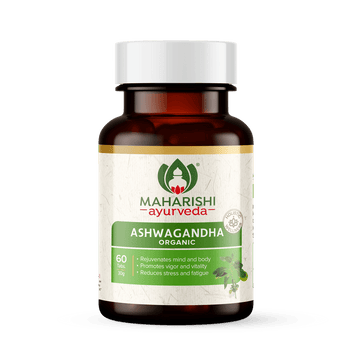
Ashwagandha
A well-known adaptogen traditionally used to support stress response and grounding energy. Common forms: root powder, standardised extracts, capsules, and arishtam (fermented tonic). Evidence note: some clinical studies suggest stress-supporting effects, but results are mixed and context-dependent.
Organic Ashwagandha: Ayurvedic Support for Strength & Calm
A traditional Ayurvedic herb crafted to support vitality, resilience, and everyday stress balance
Brahmi (Bacopa monnieri)
Traditionally used as a medhya (mind-supportive) herb for clarity and calming. Common forms: fresh extract, powders, vati/tablets, ghrita (medicated ghee).
Organic Ashwagandha: Ayurvedic Support for Strength & Calm
A traditional Ayurvedic herb crafted to support vitality, resilience, and everyday stress balance
Jatamansi (Nardostachys jatamansi)
Traditionally used for calming the mind and supporting restful sleep. Common forms: powder, capsules, essential oil for aromatherapy. Evidence note: chiefly supported by traditional use; clinical data are limited.
Shankhpushpi
Classical medhya herb used for mental calm and memory support. Common forms: syrup, powder, tablets; commonly included in medhya rasayana blends. Evidence note: strong traditional backing; modern trials are limited.
Tulsi (Holy basil)
Revered as an adaptogenic daily tonic to support balance during ongoing stress. Common forms: brewed tea, fresh leaves, extracts. Cautions: discuss with a clinician if you’re taking other medications (see interactions section).
Chamomile and Rose
Gentle botanicals like chamomile and rose are commonly used as bedtime teas, aromatics or part of relaxation rituals. Evidence note: Chamomile has some clinical evidence for mild anxiety and sleep support; these botanicals are typically used for ritualised relaxation.
Common Ayurvedic medicines and formulations used for mental calm
Ayurvedic practitioners may recommend individualised formulations rather than single herbs. These are examples of classical approaches; selection depends on constitution, current imbalances and other health factors.
Medhya rasayana
Medhya rasayana are rejuvenative blends aimed at brain and mind support in classical texts. Practitioners may select rasayanas for long-term cognitive and ojas-building support rather than for immediate symptom suppression.
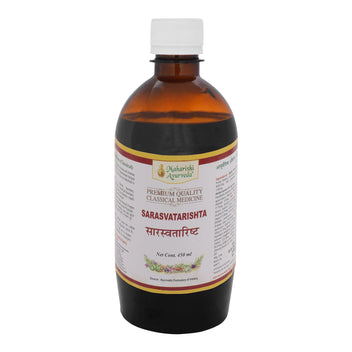
Saraswatarishta and traditional tonics
Saraswatarishta is a traditional fermented tonic used in classical practice for nervous system support. It acts as a nervous tonic, strengthening the nervous system and enhancing overall vitality, practitioners consider patient suitability and contraindications before recommending them.
Saraswatarishta: Ayurvedic Support for Mental Calm & Vitality
A traditional Ayurvedic formulation crafted to support mental balance, clarity, and relief from everyday fatigue
Brahmi-based formulations
Brahmi appears in vati (tablet), ghrita (ghee), and syrup forms. Co-ingredients vary by formulation; a practitioner chooses the form based on digestion, sleep patterns and overall constitution.
Ashwagandha formulations
Ashwagandha is available as powders, standardised extracts and arishtams. Practitioners consider interactions, existing medications and the intended time of use when advising formulation choice.
Note: For product specifics, ingredients and contraindications consult product pages or a qualified Ayurvedic practitioner. Avoid self-prescribing complex formulations.
Daily Ayurvedic practices to reduce stress
Abhyanga (oil massage)
Why it helps: Self-massage with warm oil is traditionally recommended to ground Vata and soothe the nervous system. How-to highlights: use warm sesame or bala oil, massage gently toward the heart for 5–15 minutes, then shower. Who should be cautious: check with a practitioner before intensive oiling if you have edema, digestive disorder, or active infections.
Meditation, breathwork and simple practices
- Practice short daily breathwork sessions (diaphragmatic breathing or 4-4-6 pattern) for immediate calming.
- Begin with 5–10 minutes of seated mindfulness or guided meditation; consistency matters more than duration.
- Pair herbs/teas with ritual (e.g., evening tulsi or chamomile tea after dimming lights) to signal rest to the nervous system.
Warm, nourishing foods and sleep hygiene
- Prefer warm, cooked, grounding meals (soups, stews, whole grains, ghee) and regular meal times to support agni.
- Keep a consistent sleep schedule; reduce screens one hour before bed and create a calming pre-sleep routine.
- Avoid excessive stimulants (high caffeine) and late heavy meals that may disturb sleep and digestion.
Herbal teas and relaxation rituals
Evening teas (tulsi, chamomile, rose) or a short aroma ritual with rose or jatamansi oil can help create a predictable transition to rest. These are supportive lifestyle tools, not substitutes for medical care.
How herbs fit into daily routines
Practical placement: morning adaptogens (e.g., ashwagandha) for ongoing resilience; evening calming teas (chamomile, tulsi) for sleep ritual; topical oils for abhyanga. Check with a practitioner for timing and combinations, especially when you take prescription medications.
Check out 8 Signs You Could be Under Stress–>
When stress or anxiety needs professional care
Red flags and timelines
- Symptoms that significantly impair daily function at work, school or relationships.
- Persistent anxiety or severe symptoms lasting more than several weeks to months despite self-care.
- Thoughts of self-harm, severe panic attacks: seek urgent help.
Severe panic, mood changes and physical symptoms
Recurrent panic attacks, dramatic mood swings, or profound sleep and appetite disruption warrant evaluation by a mental-health professional and coordination if you use Ayurvedic herbs.
Safety, interactions and precautions
Common side effects and when to stop
Some herbs like tagar, ataasi may cause mild digestive upset or drowsiness in sensitive individuals. Stop use and seek medical advice for severe allergic reactions, marked digestive symptoms, or unexpected neurological changes. Keep a record of any reactions and share them with your clinician.
Herb drug interactions to watch for
Examples to check with a clinician: interactions between adaptogens and antidepressants or sedatives and herbs that affect blood clotting or blood sugar. Always disclose herbal use to prescribers.
Pregnancy, Breastfeeding and Children
Pregnancy, breastfeeding and children need extra care. Some herbs may not be suitable for these groups, even if they are natural. Always speak with a qualified healthcare professional before using herbal products during pregnancy, while nursing, or for children.
Doonited Affiliated: Syndicate News Hunt
This report has been published as part of an auto-generated syndicated wire feed. Except for the headline, the content has not been modified or edited by Doonited