
29 June 2026
Introduction
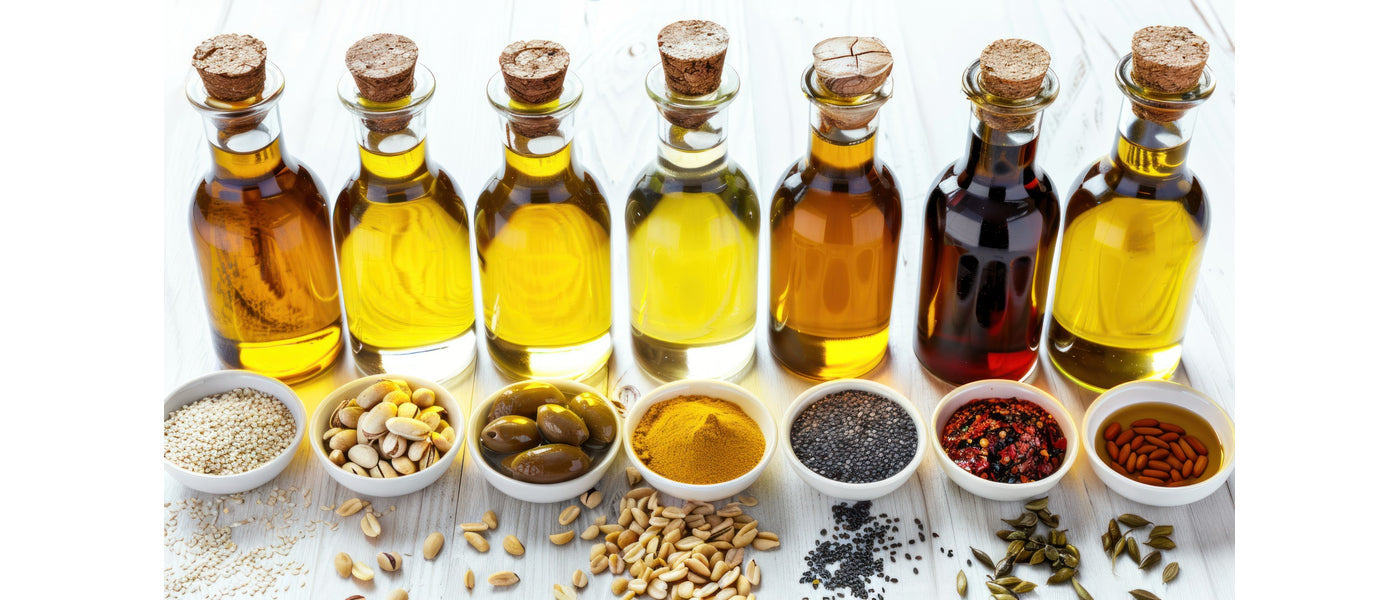
Ayurvedic oils have been used for centuries as part of daily self-care, preventive wellness, and therapeutic support. They are traditionally prepared with herbs, flowers, roots, minerals, and natural base oils such as sesame oil, coconut oil, mustard oil, or other medicated oils.
Different Ayurvedic oils are used for different needs, including skin nourishment, hair care, body massage, relaxation, joint comfort, muscle stiffness, scalp health, dryness, stress relief, and post-workout recovery. In Ayurveda, oils are not only used for beauty or grooming; many medicated oils are prepared for therapeutic conditions as well as preventive health care.

Medicated Ayurvedic oils are traditionally used in a wide range of concerns, from skin conditions such as acne, psoriasis, and urticaria to joint health and muscle pain, stiffness, fatigue, and hair health. The choice of oil depends on the person’s prakriti, dosha imbalance, body condition, season, and the purpose of use.
What are Ayurvedic oils used for?
Ayurvedic oils are prepared for both therapeutic and preventive health purposes. Some oils support skin radiance and nourishment, some are used for hair growth and scalp health, and some are used for Abhyanga or body massage, while others are traditionally used for pain relief, joint stiffness, stress relief, and dosha balance. The right oil depends on the concern, body type, dosha imbalance, and physician guidance when it is used therapeutically.
1. Ayurvedic Oils for Skin
Ayurvedic skin oils are traditionally used to nourish the skin, improve glow, reduce dryness, support the skin barrier, and deliver the benefits of herbs into the skin. In Ayurveda, oils are valued because of their snigdha guna, or unctuous quality, which helps maintain lustre, softness, and radiance.
Unlike many synthetic lotions that mainly sit on the surface, Ayurvedic oils are lipophilic in nature. They are believed to penetrate deeper into the skin layers and carry the therapeutic properties of herbs into the tissues. Since the outer layer of the skin is made up of fatty tissues, the skin recognises oils easily, which supports absorption.
Kumkumadi Face Oil
Kumkumadi Face Oil is one of the most well-known Ayurvedic oils for facial care. It is traditionally made with more than 28 herbs, with kumkum, or saffron, as the main ingredient.
In Ayurveda, Kumkumadi oil is prepared with varnya dravya, which means complexion-promoting herbs. It is traditionally used to support facial radiance, glow, and even-looking skin. It is also used in concerns such as hyperpigmentation, melasma, acne marks, dullness, and uneven skin tone.
Kumkumadi Face Oil works as a nourishing facial oil that supports the skin’s natural glow while helping reduce dryness and dull appearance. Because it contains complexion-supporting herbs, it is commonly recommended in Ayurvedic skincare routines for improving facial brightness and skin texture.
Click Here 9 Kumkumadi Oil Benefits for Face–>
Coconut Oil for Face
Coconut oil is another important oil used in traditional skin care. It deeply moisturises and soothes dry skin. Due to its high lauric acid content, coconut oil is known for its antimicrobial and anti-inflammatory properties.
It helps support the skin barrier and may be useful for dryness, roughness, and environmental stress. Virgin coconut oil contains vitamin E and naturally occurring antioxidants, including polyphenols, which help fight free radicals and support collagen production. This may help maintain skin elasticity and reduce the appearance of dullness and uneven texture.
Facial skin is constantly exposed to pollution, UV radiation, and oxidative stress. The antioxidants in virgin coconut oil may help neutralise free radicals, which are known to accelerate visible signs of ageing such as dullness, dryness, and uneven skin tone.
Coconut oil is not a replacement for sunscreen. However, when used as part of a balanced skincare routine, its antioxidant and moisturising properties may help support overall skin resilience.
Coconut oil also has a place in diet and digestion. The medium-chain triglycerides, or MCTs, in coconut oil are easy for the body to digest and may provide quick energy without heavily stressing digestion. Coconut oil is also believed to support the growth of good bacteria in the gut, which may improve overall digestive health.
Click Here Virgin Coconut Oil: Benefits, uses, side effects, and more–>
How Ayurvedic Oils Support Skin Nourishment
Ayurvedic oils support skin nourishment because of their snigdha, or unctuous, quality. This helps maintain the skin’s natural lustre, glow, and softness.
Oils such as sesame oil and coconut oil are rich in essential fatty acids and antioxidants. They help repair and protect the skin’s natural barrier, reduce dryness, and shield the skin from environmental stressors.
Oil plays an important role in Ayurveda, both in food preparation and body care. Just as oil helps carry nourishment in cooking, external oil application helps transfer the medicinal qualities of herbal oils into the skin and tissues. This is why oil massage is considered effective in Ayurvedic self-care and therapeutic routines.
There are different Ayurvedic oils for different concerns and requirements, including Ayurvedic oil for muscle pain, wound healing, bone support, joint pain, stiffness, and general body nourishment.
2. Ayurvedic Hair Oils
Ayurvedic hair oils are traditionally used to nourish the scalp, strengthen hair roots, reduce dryness, support hair growth, manage frizz, and calm the nervous system. Hair oiling is also an important part of head massage, or champi, which is used for both hair care and relaxation.
Brahmi Hair Oil
Brahmi is a highly valued Ayurvedic herb known for promoting calmness, reducing stress, and supporting scalp wellness through head massage. When Brahmi is processed in oil, its properties are infused into the oil, making it useful for scalp nourishment and relaxation.
Brahmi Oil for Hair is prepared using the traditional Ayurvedic Sneha Siddhi Vidhi described in Sharangdhar Samhita. In this process, herbs are slowly processed into the oil to extract their potency and effectiveness.
This traditional preparation makes Brahmi Hair Oil a good choice for people looking for Brahmi oil for hair growth, scalp nourishment, and stress-relieving head massage rituals.
Brahmi Oil for Hair is especially useful for people dealing with dryness, rough hair texture, weak roots, dullness, and stress-related hair concerns. A calming champi with Brahmi Oil helps improve scalp circulation, which supports stronger roots and better nourishment to the hair follicles.
Bhringraj Hair Oil
Bhringraj is known in Ayurveda as the “king of hair.” It is one of the most celebrated herbs for hair care.
Bhringraj Oil is traditionally used to stimulate hair growth, nourish the scalp, improve blood circulation, and strengthen hair follicles. With regular use, it may help support thicker, stronger, and healthier hair over time.
It is also used to reduce hair fall by strengthening the roots and supporting overall scalp health. By nourishing the roots, Bhringraj Oil helps strengthen the hair shaft and reduce breakage. Stronger hair roots support healthier and longer-looking hair.
Its unctuous quality also helps reduce dryness, roughness, and frizz, making hair smoother and more manageable.
Coconut-Based Ayurvedic Hair Oils
- Coconut is considered keshya in Ayurveda, which means it is good for hair.
- Coconut oil moisturises the hair shaft because it is easily absorbed and can penetrate deep into the scalp and hair. It helps bind proteins, lock in moisture, and prevent hair from becoming dry.
- Coconut oil also helps repair and prevent split ends and breakage. It nourishes the roots and provides essential nutrients that help keep hair healthy and strong.
- Its antibacterial properties may help fight dandruff by keeping dandruff-causing fungi under control. Coconut oil contains lauric acid, which may help regulate sebum production and reduce itching or flaking.
- Coconut oil is also useful for taming frizzy hair. Its saturated fats help smoothen the hair cuticles, making the hair softer, well-nourished, and easier to manage.
- It may also support hair growth by nourishing the scalp, improving blood circulation, helping reduce hair loss, and supporting the development of new hair follicles.
Daily Hair Oiling in Ayurveda
Daily or regular hair oiling is an important Ayurvedic practice for maintaining scalp and hair health.
The secret to soft, silky hair is hydration. Hair oiling helps moisturise the scalp and hair shaft, improves smoothness, and supports healthier-looking hair.
A 2015 study found that oils can help revive hair with a much-needed moisture boost. Another study from 2021 found that coconut oil may strengthen hair fibres. Especially for hair affected by intense styling and heat damage, hair oiling can help fill gaps in the hair shaft, keep it moisturised, and support smoother hair.
Hair oiling may also help prevent dandruff, stimulate blood circulation, encourage healthy hair growth, release tension stored in the scalp, and calm an agitated nervous system.
3. Ayurvedic Massage Oils
Ayurvedic massage oils are used for Abhyanga, relaxation, body nourishment, stress relief, pain comfort, and dosha balance. Different massage oils may be warming, cooling, nourishing, or calming depending on the herbs and base oils used.
Abhyanga Oils for Daily Self-Massage-H3
Abhyanga is the Ayurvedic practice of self-massage with oil. It is traditionally done to nourish the body, calm the nervous system, support circulation, reduce dryness, and promote relaxation.
Daily Abhyanga may be done with oils such as sesame oil or coconut oil depending on prakriti, season, and dosha condition.
Cooling Massage Oils
Cooling massage oils are usually infused with cooling herbs and are used to pacify Pitta dosha. They may help reduce excess heat, soothe the body, calm irritation, and support relaxation.
Common cooling oils and ingredients include:
Coconut Oil
Coconut oil is rich in lauric acid and deeply hydrating. It is traditionally used to balance Pitta dosha and is widely used in Ayurvedic hospitals and treatment centres.
Sandalwood Oil
Sandalwood oil is considered a natural coolant. Its soothing fragrance helps ease anxiety and supports better sleep.
Brahmi Oil
Brahmi oil is known for calming the mind, supporting memory, and soothing the nervous system.
Peppermint Oil
Peppermint oil provides an instant cooling effect and may be useful in heat-induced headaches when used appropriately.
Prapaundarikadi Tailam
Prapaundarikadi Tailam, sometimes misspelled as Prapadareek, is a traditional Ayurvedic medicated oil primarily used to pacify Pitta dosha. It is valued for its soothing and cooling properties and is traditionally used for promoting hair health, managing stress, and easing mild headaches.
Other traditional cooling oils mentioned include Manjisthadi Oil and Eladi Oil.
Warming Massage Oils
Warming massage oils are prepared with warming herbs that pacify Vata and Kapha dosha. These oils are traditionally used to relieve pain, stiffness, heaviness, and poor circulation.
Warming oils are especially useful when there is stiffness, coldness, fatigue, or Vata-Kapha-related discomfort.
Examples include:
These oils may support pain management, improve circulation, reduce stiffness, and provide comfort in tired muscles and joints.
Relaxation and Stress Relief Massage Oils
Certain Ayurvedic oils are used for calming the nervous system, reducing stress, and supporting sleep and relaxation.
Examples include:
These oils are traditionally used in calming massage rituals and may help soothe Vata imbalance, mental restlessness, body fatigue, and stress-related tension.
Traditional Body Nourishing Oils
Some Ayurvedic oils are used mainly for brihana, or nourishment. These oils support body strength, softness, and tissue nourishment.
Examples include:
- Sesame Oil
- Coconut Oil, depending on prakriti
- Lakshadi Ker Tailam
- Mahamasha Tailam
These oils are traditionally used to nourish the body, support strength, reduce dryness, and maintain overall body vitality.
Click Here Ayurvedic Massage Oils and Their Therapeutic Benefits–>
4. Ayurvedic Pain Relief Oils
Ayurvedic pain relief oils are traditionally used for joint comfort, muscle pain, stiffness, fatigue, post-workout recovery, and targeted massage. These oils are usually prepared with herbs that penetrate deeply, improve blood circulation, help remove ama, pacify Vata and Kapha, improve joint flexibility, and relieve pain.
They are often used in conditions such as degenerative disorders, osteoarthritis, muscle stiffness, and joint discomfort under proper guidance.
Joint and Muscle Comfort Oils
Joint and muscle comfort oils are used for targeted massage in areas of pain, stiffness, swelling, or fatigue. They are traditionally applied warm to support penetration and circulation.
Examples include:
These oils help support joint mobility, muscle comfort, flexibility, and balance of Vata and Kapha.
Oils Traditionally Used for Stiffness and Fatigue
Oils used for stiffness and fatigue usually contain warming and Vata-pacifying herbs. They are applied to areas of tightness, heaviness, or restricted movement.
These oils may help relax stiff muscles, reduce fatigue, and support better movement when used with regular massage.
Herbal Oils for Post-Workout Recovery
After physical activity, herbal oils may be used to relax tired muscles, reduce post-workout stiffness, and support recovery.
Warming oils are generally preferred when there is muscle tightness, soreness, or stiffness. The oil may be gently warmed before application to improve its penetrating effect.
Warming Oils for Targeted Massage
Warming oils are applied to specific areas of pain or stiffness. They help increase warmth, improve local circulation, pacify Vata and Kapha, and support relief from discomfort.
Examples include sesame-based medicated oils, mustard oil, Mahanarayan Oil, Narayan Oil, Sahacharadi Tailam, and Mahavishgarbh Oil.
5. Ayurvedic Oils and Dosha Balance
Ayurvedic oils are selected based on dosha balance. Different oils and aromatic herbs may be used for Vata, Pitta, and Kapha depending on the person’s condition and purpose of use.
Best Oils for Vata
Vata is dry, cold, light, and mobile in nature. Therefore, Vata benefits from warm, nourishing, grounding, and calming oils.
Useful oils and aromas for Vata may include:
- Sandalwood
- Rose
- Musk
- Frankincense
- Basil
- Camphor
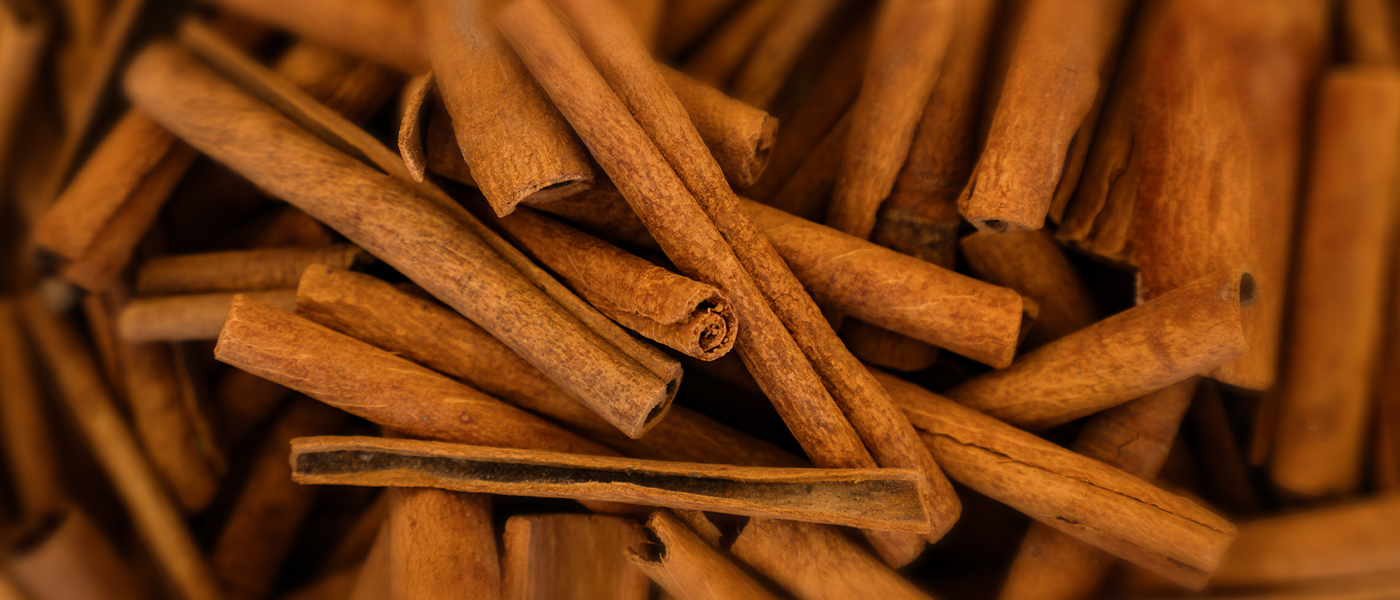
- Cinnamon
These may be blended carefully with suitable base oils depending on need and guidance.
Check Out Vata Pacifying Tips–>
Best Oils for Pitta
Pitta is hot, sharp, and intense in nature. Therefore, Pitta benefits from cooling, soothing, calming, and gentle oils.
Useful oils and aromas for Pitta may include:
- Sandalwood
- Rose
- Lotus
- Iris
- Gardenia
- Lily
- Lavender
- Honeysuckle
Cooling oils such as coconut oil and Pitta-pacifying medicated oils may also be used.
Check Out Understanding Pitta Dosha: Symptoms, Natural Remedies & Ideal Diet–>
Best Oils for Kapha
Kapha is heavy, cold, oily, and slow in nature. Therefore, Kapha benefits from warming, stimulating, and lighter oils.
Useful oils and aromas for Kapha may include:
- Cinnamon
- Musk
- Sage
- Cedar
- Frankincense
- Myrrh
Warming massage oils may help support circulation, reduce heaviness, and balance Kapha.
Also Check Out Understanding Kapha Dosha: Symptoms, Natural Remedies & Ideal Diet–>
How to Use Ayurvedic Oils Safely
Ayurvedic oils are powerful when used properly. The right oil, timing, frequency, and method of application matter. For therapeutic use, it is best to follow the advice of an Ayurvedic physician.
Patch Testing
Before using any Ayurvedic oil, especially on the face or sensitive skin, do a patch test. Apply a small amount on the inner arm or behind the ear and wait for 24 hours. If there is redness, itching, burning, or irritation, avoid using that oil.
Patch testing is especially important for people with sensitive skin, acne-prone skin, allergies, or existing skin conditions.
Best Time for Oil Massage
For general well-being, oil massage is usually done in the morning before bathing. This supports circulation, nourishment, and daily routine.
For therapeutic use, oil application should be done as advised by a physician.
For a head massage done for therapeutic purposes, evening application may be suitable, especially when the goal is relaxation, stress relief, or better sleep.
Frequency of Application
For general well-being, an oil massage once a day in the morning may be suitable.
However, oil massage should be avoided in certain conditions, such as fever, indigestion, and Kapha disorders, unless advised by a physician.
The frequency of application also depends on the oil, purpose, body type, season, and health condition.
Storage and Heating Tips
Ayurvedic oils should be stored at room temperature in a closed container. Keep the bottle tightly closed and away from direct sunlight, excessive heat, and contamination.
Before application, the oil may be made lukewarm. Warming the oil slightly helps improve comfort and may increase its penetrating effect. Avoid overheating the oil.
Conclusion
Ayurvedic oils are not one-size-fits-all. Some oils are meant for skin glow and pigmentation support, some are used for hair growth and scalp nourishment, some are used for daily Abhyanga, and others are prepared for joint pain, muscle stiffness, stress relief, or dosha balance.
The right oil depends on the concern, the body type, the dosha involved, and whether the purpose is daily preventive care or therapeutic management. For general self-care, oils such as sesame oil, coconut oil, Brahmi oil, Bhringraj oil, and Kumkumadi oil may be included thoughtfully. For medical or therapeutic concerns such as acne, psoriasis, urticaria, osteoarthritis, chronic pain, or hair fall, medicated oils should be used under proper Ayurvedic guidance
Doonited Affiliated: Syndicate News Hunt
This report has been published as part of an auto-generated syndicated wire feed. Except for the headline, the content has not been modified or edited by Doonited