

Show Quick Read
Key points generated by AI, verified by newsroom

- US forces began naval blockade on Iranian ports Monday.
- Iran warned of retaliation against Gulf port infrastructure.
- Oil prices surged to $100 per barrel amid crisis.
- Peace talks ended without breakthrough, but diplomacy continues.
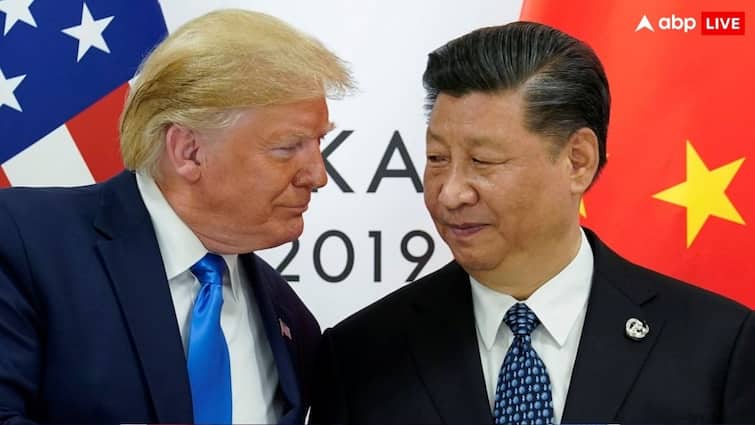
US Blocks Iran Ports: The United States has intensified its standoff with Iran after President Donald Trump confirmed that American forces began enforcing a naval blockade on Iranian ports on Monday. The move comes in the immediate aftermath of collapsed peace negotiations in Islamabad, raising fears of a broader regional confrontation.
US-Iran Tensions Surge Amid Naval Blockade
Iran swiftly responded with warnings of retaliation, particularly targeting port infrastructure in Gulf nations. Despite the sharp escalation, diplomatic channels remain open.
A senior U.S. official indicated that Washington continues to pursue a negotiated outcome, a stance echoed by Shehbaz Sharif, who said efforts to defuse tensions are ongoing even after talks broke down, as per Reuters.
Oil Prices Jump As Hormuz Crisis Deepens
Global markets reacted instantly to the developments, with oil prices surging back to $100 per barrel. The prolonged disruption in the Strait of Hormuz—a vital artery for global energy supplies—has triggered unprecedented concerns about supply stability.
Since the conflict erupted on February 28 following U.S. and Israeli strikes, Iran has maintained tight control over the strait, restricting foreign shipping and imposing steep transit fees. The U.S. blockade now seeks to counter this by limiting Iranian maritime operations and deterring international vessels from complying with Tehran’s conditions.
Trump reiterated Washington’s uncompromising stance on Iran’s nuclear ambitions. “Iran will not have a nuclear weapon,” Trump said at the White House adding that they cannot let a country blackmail or extort the world, as per reports.
Military Risks Rise Amid Diplomatic Stalemate
The situation remains volatile, with Iran warning that increased foreign military presence in the region could worsen instability. Brigadier General Reza Talaei-Nik cautioned that such actions risk undermining global energy security.
Meanwhile, key NATO allies have opted against joining the blockade. Both the UK and France have instead called for urgent measures to reopen the strait, through which roughly 20% of the world’s oil typically flows.
The Islamabad negotiations—marking the first direct engagement between Washington and Tehran in over a decade—ended without a breakthrough. However, U.S. Vice President JD Vance maintained that some progress had been made.
Fragile Ceasefire At Risk
The unfolding developments have placed the fragile two-week ceasefire under severe strain. With military posturing intensifying and diplomatic efforts faltering, the risk of renewed conflict looms large.
The blockade, combined with Iran’s retaliatory threats, signals a critical juncture—one that could reshape regional dynamics and send shockwaves through the global economy if tensions spiral further.
Bihar Political Buzz: Samrat Choudhary Likely to Become Next Chief Minister
Doonited Affiliated: Syndicate News Hunt
This report has been published as part of an auto-generated syndicated wire feed. Except for the headline, the content has not been modified or edited by Doonited