

15 May 2026
Many people live for years with bloating, acidity, gas, coated tongue, poor bowel movement, tiredness after meals, and sugar cravings. Because these troubles are common, they are often treated as normal. But common does not always mean healthy.

Digestion is not only a matter for the anatomy (stomach) in Ayurveda. It’s the foundation of strength, clarity, comfort, and proper nourishment. A balanced agni facilitates a good digestion, and the body feels lighter and more at ease. If Agni is depleted then the food may not get digested well and the Ama (toxics from poor digestion) may start accumulating. This gradual deprivation may impact on many other aspects of life.
As the classical teaching says, “सर्वे रोगाः मन्देऽग्नौ” meaning many diseases begin when digestion becomes weak.
TL;DR – Gut Health, Digestion & Ayurvedic Remedies
- Gut Issues Are Not Always Normal: Bloating, acidity, gas, coated tongue, bad breath, fatigue after meals, and irregular bowel movements may signal poor digestion.
- Ayurveda Links Gut Health to Agni: A balanced digestive fire supports better nourishment, energy, bowel regularity, mental clarity, and overall comfort.
- Weak Digestion Can Create Ama: Poorly digested food may form Ama, a heavy and sticky toxic residue that can disturb the body’s natural balance.
- Gut Problems Build Slowly: Irregular meals, overeating, stress, poor sleep, fried food, stale food, and eating too fast can gradually weaken digestion.
- Common Signs Include Brain Fog & Cravings: Sugar cravings, tiredness, dull skin, brain fog, and heaviness may often trace back to digestive imbalance.
- Ayurvedic Support Starts with Routine: Warm fresh meals, proper chewing, regular meal timing, stress management, good sleep, warm water, and herbs like ginger, fennel, amla, cumin, coriander, and triphala may support gut health naturally.
Why So Many Gut Problems Get Ignored
“Normal” Symptoms People Accept Daily
Many people ignore signs such as bloating after meals, bad breath in the morning, a tongue coating, mild constipation, or a heavy feeling in the stomach. These signs may seem small because they do not stop daily work straight away. Still, when they return again and again, they should not be dismissed. Ayurveda looks at these early signs seriously because the body often gives soft warnings before bigger trouble appears.
Why Gut Problems Build Slowly
Gut problems usually do not appear overnight. They tend to build slowly through irregular meal times, overeating, stress, poor sleep, fried food, stale food, and eating before the previous meal has digested. At first the body adjusts, but over time the digestion becomes less steady. This is why many people cannot say exactly when the problem began. They only realise later that discomfort has become a daily pattern.
The Gut-Body Connection
In Ayurveda, the gut is closely linked with the rest of the body. If digestion is disturbed, nourishment may not reach the tissues properly. Then the effects may be seen as tiredness, dull skin, poor concentration, cravings, low mood, or bowel trouble. A person may think these are separate issues, but often they begin at the same root, which is poor digestion.
7 Signs Your Gut May Be Unhealthy
Constant Bloating
One of the most overlooked symptoms of having problems in the gut is bloating. A lot of people feel their tummy has a tendency to get filled up after they eat, and they take it in stride. This is generally indicative of disturbed Vata (dosha related to motion) and poor digestion in Ayurveda. The food can stay in the stomach for too long, fermentation can occur, and the stomach might feel tight or uncomfortable.
Fatigue After Meals
Eating should fill you up and not make you drowsy and lethargic each time. Fatigue after eating, could be an indicator of sluggish digestion. If digestion is poor, the body has to expend more energy to digest the food and a lesser one for clarity and energy. This can seem like a lazy thing to do, but it could be an issue for a poor gut.
Sugar Cravings
Sometimes sugar cravings are more than just about taste. At times, it may be present if food is not being digested correctly or due to an unstable digestive system. The body can become reconditioned if food is not being chewed effectively so may continually crave fast relief in the form of sugary food. This leaves a cycle that can leave the gut feeling even more upstirred and heavy.
Brain Fog
Intrigues into the gut may well intrude into the mind. Brain fog can manifest itself as difficulty focusing, lack of mental sharpness, or a heavy head. According to Ayurveda, this is related to the presence of Ama in the body beyond the gut and causing imbalance in the body. So, when the digestion gets better, the mental clarity gets better as well.
Irregular Bowel Movements
Good digestion should ensure regular & comfortable defecation. When stools are constipated, loose or experience incomplete bowel emptying, the gut is calling you. The food bolus is digestion that is important in Ayurveda with regards to bowel health. Worrying about irregularity is no regular practice.
Bad Breath or Coated Tongue
Common symptoms of Ama are coated tongue. Poor digestion can also be indicated by bad breath which persists even after brushing. These symptoms indicate a faulty processing of food. This is then manifested in the preference for taste, smell and coating the mouth.
Ayurdent Classic: Ayurvedic Toothpaste for Daily Oral Care
A herbal toothpaste crafted to support clean teeth, fresh breath, and healthy gums

Skin Flare-Ups
The gut is a window into the skin. Poor digestion can cause dull, irritated, reactive, or more easily flammable skin. But Ayurveda tells us that, a rosy complexion starts with clean discrimination. However, the following digestive problems might not be a “normal” situation.
Digestive Issues That Are Not Actually “Normal”
Gas Every Day
It is perfectly alright if you pass gas on occasion. If you’re gassing day after day, particularly after normal food intake, then your digestive system is not functioning properly. It can be associated with poor food combinations, weak Agni, eating too quickly and dry and processed food.
Acidity After Meals
Chest pain, acidity, difficulty swallowing or bad burping after eating should not be ignored. In Ayurveda, this may be indicative of an imbalance in the second Dosha and digestive imbalance (Pitta). This is a more common problem if the food is too spicy, too fried, eaten too late in the day, or when food is consumed under stress..
Feeling Heavy or Sluggish
Foods that make you feel full, dizzily, or sleepy could be distant to your body’s digestive energy levels. Any food can cause trouble when Agni is weak. One symptom that is regularly overlooked for poor gut health is feeling heavy again and again.
Constipation and Incomplete Digestion
Constipation is not only about not passing stool every day. It also includes hard stools, straining, dryness, and a feeling that the bowels did not clear fully. Ayurveda sees this as an important sign because waste that stays too long in the body can disturb comfort, appetite, mood, and skin.
The Worst Foods for Gut Health
Ultra-Processed Foods
Highly processed foods are often easy to overeat and hard to digest well. They may fill the stomach but not satisfy the body properly. In Ayurveda, stale, overly refined, and packaged foods are more likely to weaken natural digestive rhythm over time.
Excess Sugar and Fried Foods
Too much sugar and fried food can leave the gut feeling heavy, sticky, and slow. They may also feed cravings and create a pattern of sluggish digestion. For people already dealing with bloating after meals or acidity, these foods often make matters worse.
Eating Too Fast
How you eat matters as much as what you eat. Eating too quickly, swallowing without chewing well, and eating while distracted can disturb digestion. Food needs proper chewing and a calm state of mind so the digestive process can begin well from the first bite.
Irregular Meal Timing
The body likes rhythm. When meals come at random times every day, digestion can lose steadiness. Eating too late, skipping meals, then overeating later can all disturb the natural digestive cycle. Regular timing often brings more relief than people expect.
What Ayurveda Says About Gut Issues
Agni: Your Digestive Fire
Agni (digestive fire) is the force that digests food and turns it into nourishment. If Agni is balanced, appetite is proper, digestion feels smooth, and waste leaves the body well. If it is weak, food may remain partly digested and discomfort begins to rise.
Ama: Toxin Build-Up
Inadequate digestion causes Ama to form which is called toxic residue. Its properties are said to be ‘heavy and sticky and clogging’. According to Ayurveda, Ama is the cause of blockage of Srotas (body channels), and may of and on gradually over a period of time.
Weak Digestion Creates Systemic Imbalance
Ayurveda never treats the gut as other, it considers it a part of the whole person. The digestion may be weak, resulting in loss of strength, complexion, bowel movement, comfort and mental steadiness. This is why it’s common for rebalancing the digestive system to be the initial component of healing.
Why Gut Health Impacts the Mind
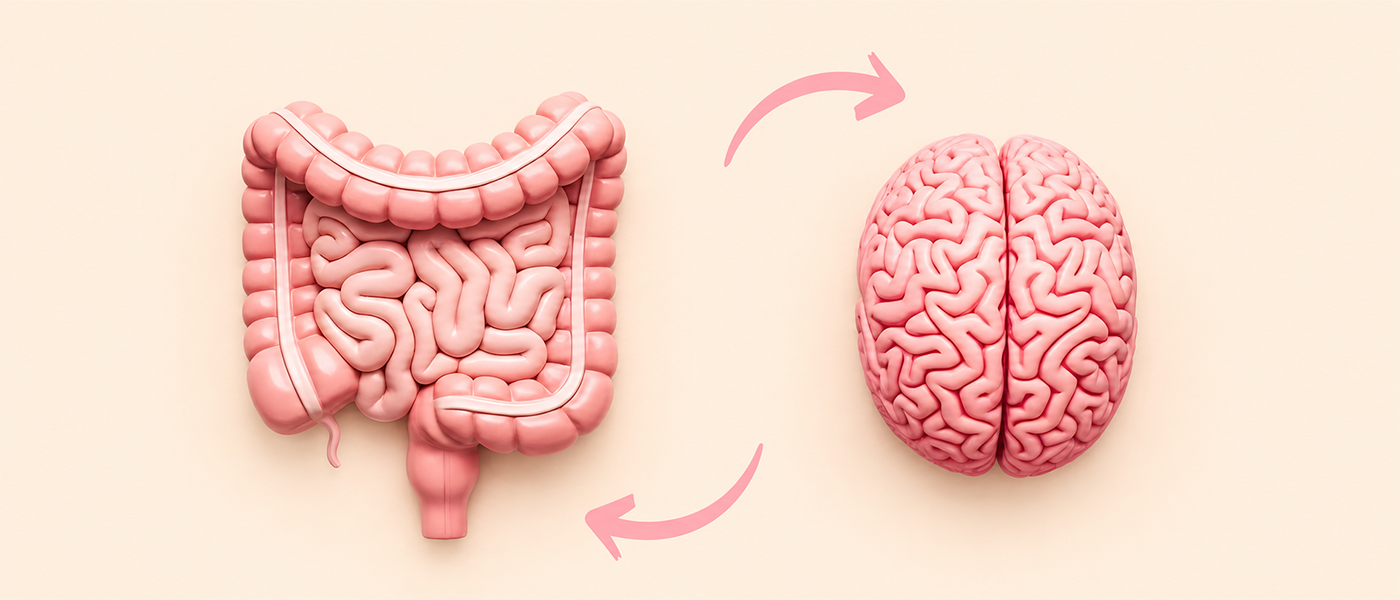
There is a close gut-brain connection in Ayurvedic thought as well. Stress, worry, anger, and fear can disturb digestion. In the same way, poor digestion can make a person feel foggy, restless, or low. A settled stomach often supports a steadier mind.
Ayurvedic Herbs Traditionally Used for Digestion
Ginger
Ginger possesses potent properties named Deepana and Pachana (kindling digestion and helping digestion). It’s usually utilized when heaviness, loss of hunger or bloating occurs.
Fennel
The fennel is common to use post meal – it makes the digestions soothing and light. May aid in reducing gas and promote a more comfortable digestion.
Amla
In Ayurveda, Amla (Indian gooseberry) is cherished for its gentle digestive properties. It is also typically employed when acidity and heat are also factors.
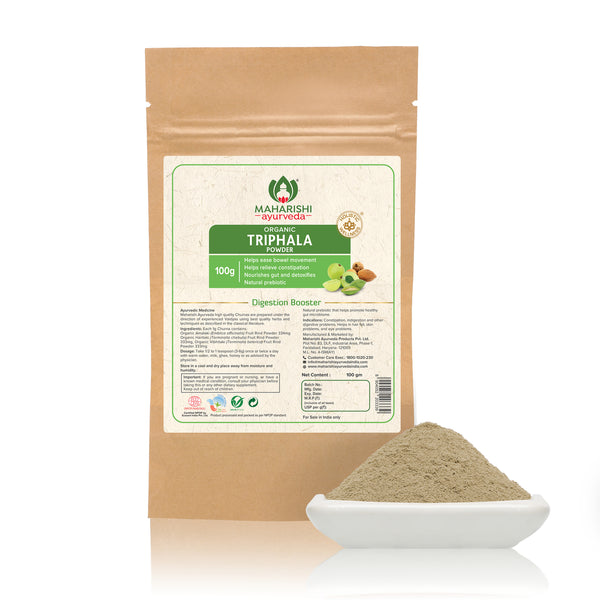
Triphala
It is a popular herbal supplement for normalisLing bowel function and mild bowel cleansing, the latter benefit probably being the more notorious. It is a factor to consider when slowing elimination is a part of the problem.
Triphala Powder: Ayurvedic Support for Digestion & Detox
Traditional herbal blend crafted to support gut health and natural cleansing
Cumin and Coriander
Cumin and coriander are simple kitchen herbs for digestion. They are often used in meals or warm water preparations for daily gut support.
How to Improve Gut Health Naturally
Eat Warm, Fresh Foods
Warm and freshly cooked food is generally easier to digest than cold, stale, or very heavy meals. Simple meals often suit a troubled gut better.
Reduce Late-Night Eating
Late-night eating gives the body less time to digest properly. A lighter evening meal is often kinder to the gut.
Chew Food Properly
Good chewing is a basic but often forgotten part of digestion. It helps the stomach receive food in a better state.
Support Healthy Sleep
Poor sleep and poor digestion often feed each other. Better sleep can support a better gut routine.
Manage Stress Daily
Slow breathing, slow eating and a regular schedule can aid digestion on a regular basis. The best food and supplements for gut health
Best Foods and Supplements for Gut Health
Fiber-Rich Foods
The correct amount of fiber can work well for the digestive system, but should be based on the person’s digestive capacity and not the other way around.
Fermented Foods
Traditional options such as Takra (buttermilk), kanji, and other simple fermented foods may support the gut when used wisely.
Hydration and Digestion
The warm water is usually taken in the day in Ayurveda as a means of stimulating digestive strength. Liquid in the form of very cold liquids with food may not be suitable for a weak gut.
When Supplements May Help
Sometimes food and routine need extra support. In such cases, a carefully chosen option such as Glucomap may be considered as part of a wider gut care plan, along with proper meals, sleep, and digestive discipline.
Doonited Affiliated: Syndicate News Hunt
This report has been published as part of an auto-generated syndicated wire feed. Except for the headline, the content has not been modified or edited by Doonited