

17 April 2026
Intro: Shata Dhauta Ghrita (often called “100 times washed ghee”) is a classical Ayurvedic topical preparation made by repeatedly washing cow ghee with water until it becomes a white, creamy, non‑greasy substance. This guide explains what it is, the traditional rationale and modern practical uses, safe DIY steps using high‑quality organic cow ghee, storage and safety notes, and how it compares with plain ghee and store moisturisers.

What is Shata Dhauta Ghrita
Name and meaning
The name breaks down simply: “shata” means one hundred, “dhauta” means washed, and “ghrita” means ghee. Put together, Shata Dhauta Ghrita (SDG) literally describes ghee that has been washed a hundred times. It is a traditional Ayurvedic samskara — a pharmaceutical process used to transform and refine an ingredient for topical use.
100‑wash process overview
The 100‑wash process for washed ghee is straightforward in principle: equal volumes of ghee and clean water are mixed, stirred until emulsified, allowed to settle so the water separates, and then the water is drained. Fresh water is added, and the cycle repeats. Typical steps are: measure an amount of ghee, add an equal volume of water, stir for several minutes, let it settle, and drain the water. Repeating this sequence gradually changes the ghee’s physical feel and appearance. Doing all 100 cycles can take several hours to a day for a household batch.
Texture and final form
After sufficient washing, the ghee becomes creamy, paler or white, and spreads like a soft unguent rather than a grainy oil. Sensory changes include reduced aroma, smoother consistency, and a non‑oily feel when applied sparingly. Packaged SDG is commonly sold in small glass jars and looks like light whipped cream rather than liquid butter.
Why does washing change ghee
In Ayurvedic terms, the process is a samskara (refinement) that alters the qualities (guna) of the ghee. Practically, repeated emulsification and removal of water‑soluble impurities and residual milk solids produce a finer, more homogeneous product with different tactile properties. This explanation is descriptive and traditional rather than a definitive biochemical claim.

Skin Benefits and How It Works
Short‑term benefits
Shata Dhauta Ghrita is commonly used as a natural moisturiser and cooling ointment. Short‑term user outcomes often reported include immediate moisturisation, a cooling sensation on warm or irritated skin, and softer skin on dry patches (hands, elbows, lips). Many users find it comfortable on sensitive skin when applied in small amounts.
Long‑term effects
With regular use, traditional and anecdotal accounts suggest improved skin nourishment and barrier support. Ghee contains fat‑soluble vitamins (like vitamin E) and fatty acids that can help retain moisture. Note that these outcomes are largely traditional/anecdotal; individual results vary, and SDG should not be presented as a clinical cure.
Ayurvedic benefits(h3)
Ayurveda describes SDG as snigdha (unctuous) and sheeta virya (cooling). These qualities are associated with pacifying Pitta and Vata doshas and delivering soothing, lubricating effects to the tissue. Framed practically, those traditional qualities help explain why SDG feels nourishing and cooling when applied to warm or inflamed skin.
Suitable skin types
SDG is generally suited to dry and sensitive skin, and to people with Pitta‑dominant complaints (heat, redness). Oily and acne‑prone skin types should use SDG sparingly and perform a patch test first. For severe acne or persistent dermatological conditions, consult a dermatologist before adding SDG to your routine.
Practical Uses and Applications of Shata Dhauta Ghee
Daily moisturiser routine
Use a pea‑sized amount for the face; warm between fingertips and press gently into skin.
Apply after cleansing and light toning; in the morning, layer a lightweight sunscreen over SDG rather than using SDG under makeup for oily skin days.
For hands, elbows, and lips, apply as needed; a thin layer absorbs well if not over‑applied.
Night repair and targeted use
As a night repair cream, SDG can be applied more liberally to dry patches or cracked heels. For a targeted alepana (local application), apply to rough spots and cover with a clean cotton sock or glove to allow overnight penetration. For extra cooling, add a drop or two of rose water and mix before application.
Sunburn and irritated skin
SDG’s cooling reputation means many people use it gently on mild sunburn or heat‑related irritation. Apply a thin layer and avoid rubbing. If burns blister, are extensive, or signs of infection appear, seek medical care rather than relying on topical home remedies alone.
Wounds and abrasions
Classical texts describe topical use for minor wounds and abrasions. Modern practice emphasises hygiene: only use on clean, minor wounds and watch for signs of infection. Do not apply to deep or heavily contaminated wounds — consult a healthcare professional.
How to Make Shata Dhauta Ghrita at Home (DIY)
Ingredients and equipment
- High‑quality organic cow ghee (pure, no additives)
- Clean drinking water (filtered or boiled and cooled)
- Large glass or ceramic bowl, wooden spoon or spatula
- Fine strainer/cheesecloth, airtight glass jars for storage
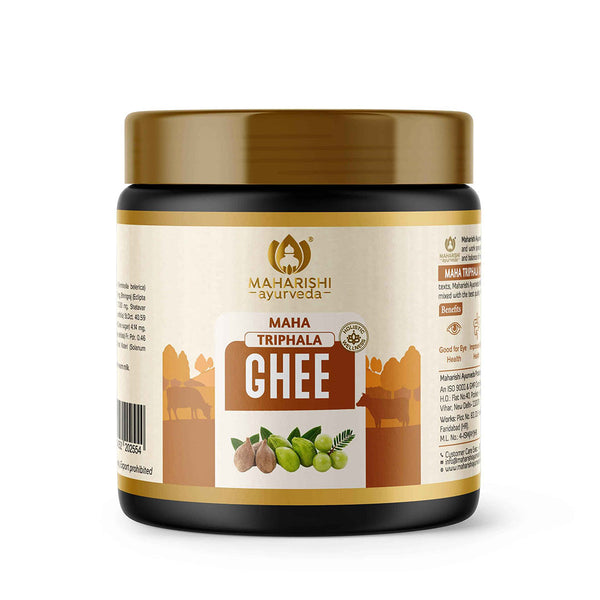
Triphala Ghrita: Ayurvedic Digestive & Detox Formula
A powerful herbal ghee to enhance digestion, detoxify, and promote overall wellness.
Step‑by‑step washing method
- Measure your ghee and pour it into the bowl. For small batches, 100–200 g is manageable.
- Add an equal volume of clean water (1:1 ratio).
- Stir vigorously for 5–10 minutes, emulsifying the mixture; allow to settle for a few minutes until the water separates and sinks.
- Carefully drain or decant the water layer without losing ghee. Replace with fresh water and repeat.
- Repeat the cycle up to 100 times if you wish to make classical SDG; fewer cycles will produce a lighter version with trade‑offs in texture and final feel.
Practical Tips for Quick and Effective Results
A full 100‑cycle process can take many hours. For small household batches, you may do multiple cycles in a day or spread them across days. A practical shortcut is to do 20–50 washes for a smoother, lighter product—this reduces time but also changes the final texture compared with traditional SDG.
Final straining and storage
After the final wash, allow the ghee to settle, strain through cheesecloth to remove any particulate matter, dry with a clean cloth if needed, and transfer to sterilised airtight glass jars. Store in a cool, dark place. Label with the date and discard if you notice any off‑smell, cloudiness in the jar, or visible growth.
Important Guidelines for Safe Usage and Storage
Who should avoid ?
People with known dairy allergy should avoid topical ghee preparations. Those with very oily or acne‑prone skin should use SDG sparingly and consider patch testing first. For chronic or severe skin conditions, consult an Ayurvedic physician before use.
Patch testing and acne guidance
Do a patch test on the inner forearm: apply a small amount, wait 24–48 hours, and watch for redness, swelling or breakouts. If acne worsens or irritation develops, discontinue use. Note that short adjustment reactions can occur, but persistent breakouts indicate discontinuation and professional advice.
Storage best practices
Store SDG in airtight, sterilised glass jars in a cool, dark place. Use clean utensils to scoop product to avoid contamination. Homemade batches should be made in small amounts and used within weeks to months, depending on hygiene and storage; packaged commercial preparations may include expiry dates and preservatives where applicable.
Pitta and Vata doshasHygiene risks with homemade batches
Contamination risk increases with dirty tools, hands, or water. Make small batches, work with sterilised containers, and discard if the product smells sour, looks cloudy, or shows unexpected separation after storage.
Ayurvedic Perspective and Traditional Uses
Traditional qualities explained
In Ayurveda, SDG is esteemed for its snigdha (unctuous) quality and sheeta virya (cooling potency). These attributes explain its classical use for calming heat, soothing inflamed tissues and nourishing dry skin. Such descriptions are part of Ayurvedic theory and are presented here to give cultural and practical context.
Classical therapeutic uses
Classical texts list external uses including abhyanga (local oil massage), dressings for certain wounds, post‑procedure care and pichu (localised cotton application). These are traditional and time – tested recommendations.
Samskara and formulation logic
Samskara refers to a transformative process applied to a substance to refine its qualities; gunantara dhanam describes shifting gross qualities to subtle ones. The repeated washing of ghee is one such samskara, intended to change the ghee’s texture and external effects.
Comparisons: Washed Ghee vs Plain Ghee and Store Moisturisers
Texture and absorption
Compared with plain ghee, Shata Dhauta Ghrita is less odorous, smoother and often feels less greasy when used in small amounts. Compared with modern creams, SDG is single‑ingredient and can be more occlusive; absorption depends on the amount used and skin type.
Ingredient simplicity vs formulation
SDG offers ingredient transparency (typically just ghee). Store moisturisers often contain preservatives, emulsifiers and active ingredients (hyaluronic acid, niacinamide, retinoids) that can target specific concerns. Choose based on needs: SDG for simple nourishment and cooling; formulated creams for targeted activities and lightweight daytime wear.
Choosing based on need
Decision cues: for dry, sensitive or pitta‑reactive skin, SDG at night can be beneficial. For acne‑prone or hot, oily skin, a lightweight non‑comedogenic cream may be preferable. Hybrid routines (SDG at night, light cream in the day) are common.
Buying and Product Considerations
How to evaluate quality
- Check ingredient list — pure ghee without added fragrance or preservatives for pure SDG products.
- Prefer certified organic, grass‑fed cow ghee where possible for cleaner sourcing.
- Buy small jars to trial a new brand and check batch/expiry information.
Packaged vs homemade expectations
Store‑bought SDG may have longer shelf life, standardised texture and packaging hygiene but can be costlier. Homemade batches give control over ingredients and freshness but demand strict hygiene and realistic shelf life expectations.
Packaging and labelling tips
Prefer glass jars, clear manufacturing/expiry dates, and transparent sourcing claims. If details are missing, contact the seller for clarification before purchase.
Doonited Affiliated: Syndicate News Hunt
This report has been published as part of an auto-generated syndicated wire feed. Except for the headline, the content has not been modified or edited by Doonited