

22 April 2026
Shifts between cool, air-conditioned spaces and hot, humid outdoors are part of modern life, especially in India. “Body heat” is the everyday sense of internal warmth or an overactive heat balance; medically, we track core temperature (~37°C). Sudden or repeated changes in ambient temperature can affect comfort, hydration, and — in extreme cases safety. Below are practical, safe, and culturally useful steps to recognise excess body heat, cool down immediately, and build lasting tolerance, whether you live with AC or rely on natural ventilation.

What is ‘body heat’ and how to recognise excess heat
Definition: body heat vs core temperature
Core temperature is the internal temperature your body maintains (around 37°C). The everyday idea of “body heat” includes sensations like feeling unusually warm, flushed skin, or digestive/irritability changes. Mild increases are often normal after exercise, spicy food or being in hot weather; persistent or very high temperatures can indicate heat stress or illness.
Common symptoms of excess body heat
Mild signs: feeling warm, increased sweating, thirst, irritability, and mouth dryness.
Moderate signs: headache, lightheartedness, muscle cramps, nausea, skin rashes or acne flare-ups.
Concerning signs: confusion, fainting, very high measured body temperature, rapid breathing, persistent vomiting, or seizures (see safety section).
Typical causes and triggers
Causes span environmental, behavioural and physiological factors. High ambient temperature and humidity, prolonged sun exposure, vigorous exercise, spicy or fried foods, alcohol and dehydration raise internal heat. Hormonal changes (e.g., menopause), infections and some medications can also affect heat. AC-related triggers include low indoor humidity and repeated cold-to-hot transitions that can make you feel dry or uncomfortable.
How to self-check and monitor seriousness
Use simple checks: take your temperature with a reliable thermometer, monitor urine colour (pale = good hydration; dark = drink more), watch for dizziness or confusion, and note how long symptoms persist after cooling measures. If symptoms are severe or do not improve within 30–60 minutes of basic cooling steps, seek medical attention.

Immediate cooling steps you can do right now
Quick behavioural steps to lower the temperature
- Move to a shade, a ventilated room, or an air-conditioned space if available.
- Remove excess clothing and rest avoid further activity until you cool down.
- Loosen tight garments and elevate your feet slightly if you feel faint.
- Use a fan to increase airflow, which helps evaporation unless the humidity is extremely high.
Cold compresses, showers and targeted cooling
Apply cool (not ice) compresses to the forehead, neck, wrists and groin for 10–15 minutes to help conductive heat loss. A cool shower or sponging speeds cooling; avoid ice baths for the elderly, children, or people with cardiac issues since extreme cold can cause shock. Targeted cooling works because it increases heat transfer from blood near the surface.
Immediate cooling drinks to try now
Hydration is crucial. Try these easy, cooling options:
Coconut water: Ready-to-drink or from a tender coconut, natural electrolytes and quick rehydration.
Coriander infusion: Steep a handful of fresh coriander in warm water for 10–15 minutes, cool and sip. Mildly cooling and hydrating.
Fennel water: Crush 1 tsp fennel seeds, steep in hot water for 10 minutes, strain and cool. Good after meals and for mild heat.
Avoid sugary sodas and excessive caffeine or alcohol when trying to cool down. Check for allergies (e.g., coconut) before use.
What to avoid when cooling quickly
- Don’t plunge into ice baths if you are elderly, pregnant, or have heart disease. Extreme cold can be harmful.
- Don’t use alcohol or caffeinated beverages to rehydrate, as they can worsen dehydration.
- Avoid strenuous activity until fully recovered.
Cooling foods and simple home remedies
Fruits and vegetables that cool the body
Choose water-rich, light foods: watermelon, cucumber, muskmelon, oranges, and papaya. Serve as salads, chillas with grated cucumber, or chilled fruit bowls. These foods assist thermoregulation by increasing water intake and reducing metabolic heat from heavy meals.
Hydrating drinks and simple recipes
Practical recipes for Indian kitchens:
Buttermilk (Chaas): 1 cup yoghurt +2 cups water, pinch of salt, roasted cumin powder and mint. Sip during/after heat exposure.
Rose/khus water: Steep rose petals or khus syrup in water, chill, soothing and hydrating (watch sugar content).
Lemon water: Fresh lemon, pinch of salt and a dash of jaggery for an electrolytes drink moderately.
Herbs, natural remedies and safe usage
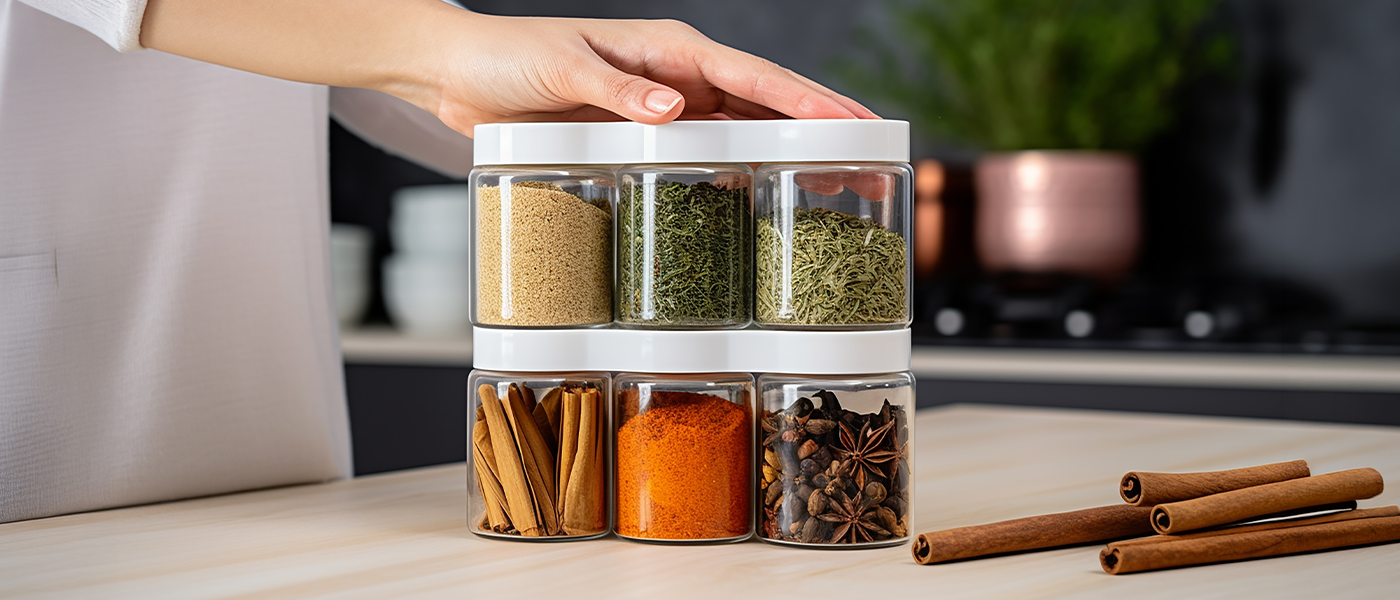
Fennel, coriander, aloe vera (juice in moderation), amla and gulkand are traditionally used for cooling. These are generally safe as food or mild infusions, but consult a practitioner before regular supplementation, during pregnancy or if you have a chronic illness or take medications.
Foods and habits that increase internal heat
Limit spicy, fried and heavily processed foods, excess caffeine and alcohol.
Swap: grilled or steamed dishes, light dals and fish/lean protein instead of deep-fried options.
AC vs Non-AC living: How each affects your body’s heat regulation
How air conditioning changes thermoregulation
AC lowers ambient temperature and often humidity, reducing sweat and immediate heat strain. Short-term, this prevents heat stress. Over time, constant cool environments can reduce heat exposure and make brief outdoor heat feel more intense. Low humidity can also dry skin and mucous membranes, so maintain hydration.
Fan, AC and natural ventilation compared
Quick comparison:
|
Option |
When helpful |
Limitations |
|
Fan |
Good for mild heat, increases evaporation |
Less effective if the humidity is high |
|
AC |
Best in extreme heat/humidity to lower temperatures and humidity |
May dry air, reduce heat tolerance if overused |
|
Natural ventilation |
Energy-efficient, supports gradual adaptation |
Limited in high humidity/heat
|
Risks of rapid transitions between AC and heat
Going quickly from very cold AC to hot outdoors can cause nasal irritation, perceived internal heat, and discomfort. To ease transitions: reduce indoor-outdoor temperature gaps (set AC to moderate rather than very low), hydrate before stepping out, and wear breathable layers to adjust quickly.
How to use AC healthily
Keep the indoor-outdoor temperature difference moderate (6–8°C) rather than extreme.
Use a humidifier or place water trays if indoor air feels very dry; drink regularly.
Maintain AC units (filters clean) to prevent respiratory irritation.
Take short breaks outdoors when safe to retain some heat tolerance.
Lifestyle changes to control body heat long-term
Daily hydration and timing tips
Drink regularly throughout the day; small sips work better than infrequent large amounts. Increase fluids before and during heat exposure. Use urine colour and thirst as simple cues. Include electrolyte sources (buttermilk, coconut water) after heavy sweating.
Clothing, activity timing and environment control
Wear light, breathable natural fabrics (cotton, linen), schedule outdoor work or exercise early morning or after sunset, and use shading/curtains to keep indoor heat down.
Sleep, stress management and recovery
Poor sleep and high stress can make you feel warmer. Prioritise cool, dark sleeping conditions, light evening meals and relaxation techniques (deep breathing, short meditations) to improve heat tolerance.
Exercise and gradual heat adaptation
Build heat tolerance slowly: start with shorter, lower-intensity sessions during cooler parts of the day and increase duration gradually. Consult a doctor before heat exposure training if you have chronic conditions.
Ayurvedic and traditional perspectives
Pitta, body heat and seasonal context
In Ayurveda, Pitta relates to heat, digestion and metabolism. It rises in hot seasons. Traditional guidance recommends cooling foods and lifestyle choices during the Pitta season. Present this as complementary cultural wisdom rather than a medical prescription.
Ayurvedic cooling foods and topical remedies
Commonly suggested items include cucumber, coconut, ghee (in moderation), sandalwood (chandan) paste for topical cooling, amla and giloy. For example, applying a thin chandan paste to the forehead can give temporary soothing relief; consuming small amounts of aloe vera juice or amla is a traditional approach. Avoid overuse and consult a practitioner if you are pregnant, breastfeeding or on medication.
When to consult an Ayurvedic practitioner
If you have persistent symptoms, chronic health conditions, or plan to take concentrated herbal supplements, seek a qualified Ayurvedic practitioner to review safety and interactions.
When body heat is dangerous, safety, first aid and when to seek care
Recognising heat exhaustion and heatstroke
Heat exhaustion: heavy sweating, weakness, cold/clammy skin, dizziness, nausea. Heatstroke (medical emergency): confusion, loss of consciousness, very high body temperature (>40°C), rapid pulse, seizures. Treat heatstroke as an urgent call to emergency services.
Immediate first-aid steps
- Move the person to a cool place and remove excess clothing.
- Cool them with wet cloths, a fan, or a cool shower if conscious; give sips of water if fully alert.
- If unconscious, do not give fluids by mouth; call emergency services immediately.
When to get professional medical help
Seek urgent care or call your local emergency number for confusion, collapse, repeated vomiting, seizures, or very high measured temperature. Vulnerable people (infants, the elderly, pregnant people, those with heart or kidney disease) need a lower threshold for professional help.
Conclusion
It’s not simply AC vs non-AC, it’s how you manage transitions, hydration, clothing and habits. Use immediate cooling measures when needed, adopt long-term habits to improve heat tolerance, and seek prompt care for severe symptoms.
Doonited Affiliated: Syndicate News Hunt
This report has been published as part of an auto-generated syndicated wire feed. Except for the headline, the content has not been modified or edited by Doonited