
A large percentage of women in the reproductive age group across the world experience symptoms such as irregular periods, acne, unexpected hair growth and unexplained weight gain. These symptoms are often diagnosed as Polycystic Ovary Syndrome (PCOS) and Polycystic Ovarian Disease (PCOD) – with both being used interchangeably. However, they are not the same disorder. To understand the difference between PCOD and PCOS, let’s first understand the menstrual cycle in women.
TL;DR – PCOD vs PCOS Explained
- PCOD vs PCOS Difference: PCOD is a common ovarian disorder with mild hormonal imbalance, while PCOS is a serious metabolic–hormonal syndrome affecting ovulation and overall health.
- Root Cause in Ayurveda: Poor diet and lifestyle weaken digestion (Agni), create toxins (Ama), and disturb Kapha, Vata and Meda Dhatu — leading to hormonal imbalance.
- Symptoms to Watch: Irregular periods, acne, weight gain, excess hair growth, hair fall, infertility and sleep disturbances are common warning signs.
- Management Approach: PCOD is largely manageable through diet, exercise and routine, while PCOS often needs long-term medical and lifestyle management.
- Natural Support: Balanced meals, yoga, stress control, proper sleep and Ayurvedic detox practices help regulate hormones and improve reproductive health.

What is Menstruation?
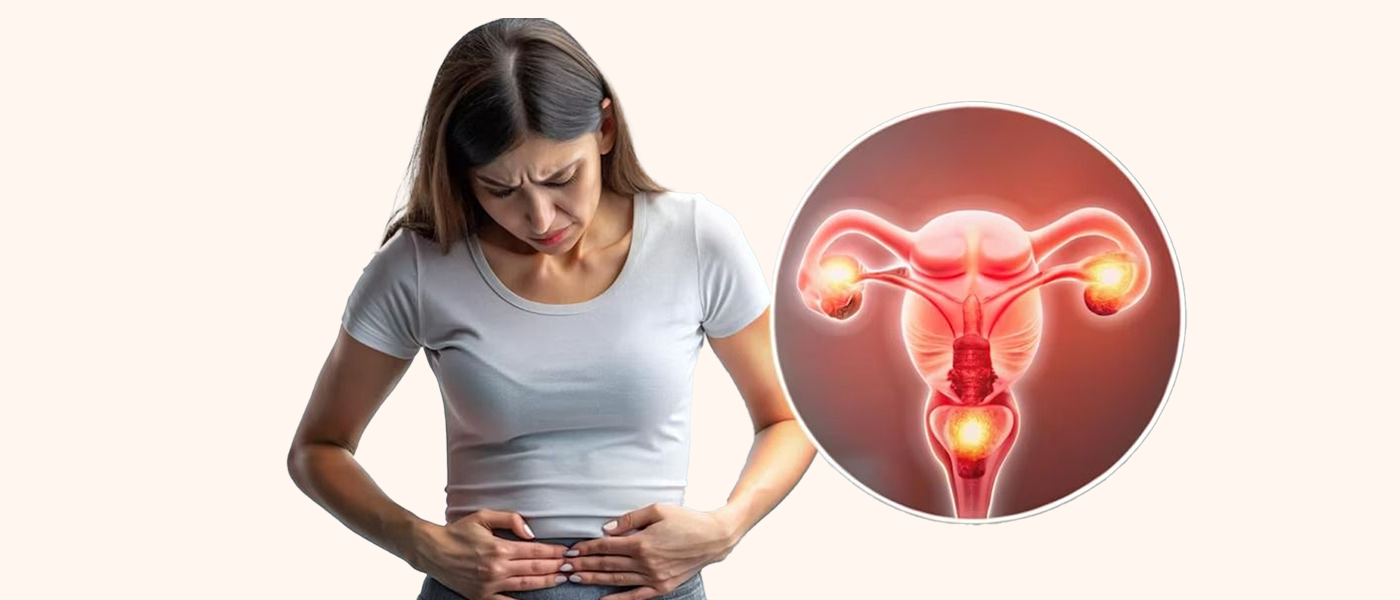
Menstruation is the monthly shedding of the lining of the uterus. This process is regulated by hormones (‘chemical messengers’) released by the pituitary gland in the brain and in the ovaries.
These hormones cause the uterine lining to thicken so that if a pregnancy occurs, the fertilised egg can be safely lodged and nurtured in the uterus. The hormones also prompt the ovaries to ovulate – release an egg which then moves to the fallopian tube (connecting the ovaries to the uterus) where it waits to be fertilised. If that does not happen, there is no pregnancy, and the thickened uterine lining breaks down and is shed as menstrual bleeding.
Estrogen and progesterone are the key hormones released by the ovaries. Small amounts of inhibin, relaxin, and androgens (male hormones) are also produced. Disturbance in the hormonal balance and genetic tendencies leads to PCOD and PCOS.
What Is PCOD?
In Polycystic Ovarian Syndrome (PCOS), due to additional metabolic disorders, the ovaries may not release eggs or may do so infrequently. The condition often involves high androgen (male hormone) levels, resulting in excess cyst formation. Another commonly seen occurrence is insulin resistance.
This condition leads to several symptoms similar to PCOD: weight gain, acne, irregular periods and difficulty in getting pregnant – though in PCOS, the impact on pregnancy is much higher. However, PCOS is considered to be more serious because it also affects the body’s metabolism. Many women with PCOS develop metabolic syndrome, which increases the risk of heart disease, stroke, and diabetes.
Over time, PCOS may lead to sleep apnea, which impacts the body’s ability to breathe properly during sleep, resulting in poor sleep quality and daytime fatigue. Another concern is endometrial problems: When ovulation does not occur regularly, the uterine lining continues to thicken but is not shed properly through menstruation. This may lead to abnormal bleeding and other health issues.
PCOD & PCOS: Viewed from the Ayurvedic Lens
According to Ayurveda, PCOD and PCOS are caused by apathya aahara viharas (unwholesome diet and lifestyle), leading to the formation of ama (toxins) in Rasa Dhatu (nutritive tissue). This causes arthava udhatu of Rasa Dhatu, triggering imbalance and the improper selection and maturation of the ovum. The ama also vitiates the remaining dhathus (tissues), manifesting in excessive weight gain and hair loss.
Hair is described as mala rupa (byproduct) of Ashti Dhatu (bone tissue). When Ashti Dhatu is weak or vitiated, it may manifest as hair fall or unwanted hair growth.
An excessive intake of a heavy diet and mamsahara (meat-heavy diet), along with aavyayama (sedentary lifestyle) and divasvapna (day sleep) aggravate the Kapha Dosha (bio-energy) and Meda Dhatu (fat tissue). These vitiated doshas and dhatus reach the ovaries and interfere with their normal functions.
Disturbances in the Rasavaha, Raktavaha, and Artavaha Srotas channels lead to conditions such as anartava (absence of menstruation), vandhyatva (infertility), pushpaagni mandya (impaired ovulatory function), and abija rtucakra (absence of ovulation).
These Ayurvedic explanations closely parallel modern concepts such as insulin resistance, excess androgen activity, chronic low-grade inflammation, and dysfunction of the hypothalamic–pituitary–ovarian axis.
PCOD vs PCOS — Key Differences

PCOD is a medical condition where a woman’s ovaries produce immature eggs, which transform into cysts. | PCOS (a complex hormonal and metabolic syndrome) is a more severe condition where the ovaries produce a high quantity of male hormones, resulting in excess cyst formation. |
Women worldwide suffer from PCOD. | PCOS is a disease that affects fewer women than PCOD. |
PCOD may affect fertility marginally. In about 80% of the cases, women can conceive with little help and medications. | PCOS affects female fertility adversely. As the woman is not ovulating regularly, it is difficult to conceive. Even if they do, there is a risk associated with pregnancy and birth. |
PCOD has no serious complications. | Type 2 diabetes, high blood pressure, heart disease, and advanced endometrial cancer are serious complications associated with PCOS. |
PCOD doesn’t have severe complications and can be managed with the right diet plan. | While polycystic ovary syndrome (PCOS) cannot be cured, the symptoms can be controlled through lifestyle changes and medicines. |
Androgen levels are slightly elevated. | Marked elevation of |
Metabolic involvement is minimal. | PCOS is inherently a metabolic disorder. This means it is often accompanied by a greater risk of developing high blood pressure (hypertension), diabetes, cardiovascular diseases, obesity, and may even cause endometrial cancer. |
Women who suffer from PCOD experience mild to moderate symptoms. These symptoms can be managed with diet, lifestyle changes, and medication. | Women suffering from PCOS may require infertility treatments and active treatment protocols to manage other health conditions that they may develop. |
Common Symptoms of PCOD & PCOS
- Irregular or unpredictable menstrual periods
- Heavy bleeding during periods
- Excess body hair
- Acne
- Hair loss or male pattern baldness
- Difficulty in getting pregnant
- Obesity
- Darkening of skin or pigmentation around the neck
- Sleep disorders
- Depression
- Fluctuating thyroid
Can PCOS Affect Pregnancy?
Yes, it can. In PCOS, the ovaries may not release eggs or may do so infrequently – making pregnancy difficult.
Diet and Lifestyle Support
While the conditions may not be ‘cured’, PCOD, particularly, can be managed by following a balanced diet, exercising daily, following an active lifestyle, practising Yoga, and regulating stress and sleep. In severe cases of PCOS, expert intervention may be required.
Foods to Include
When not undergoing menstruation, foods recommended to support metabolism and hormonal balance include: sesame and sesame oil, horse gram, garlic and hing. During the menstrual cycle, diet should be light and nourishing and include barley, jowar, bitter veggies, cow’s milk, cow’s milk ghee and red rice prepared with this ghee.
A PCOD-friendly diet consists of natural, low-carb and unrefined foods and healthy oils that promote metabolism and help reduce inflammation. These include:
- Whole grains such as oats, whole-wheat, brown rice, quinoa, and barley
- Millets like ragi, jowar, and bajra
- Legumes
- Nuts such as walnuts, almonds, and pistachios, along with seeds
- Fresh fruits and non-starchy vegetables
- Spices including turmeric, cinnamon, and ginger
- Berries and leafy green vegetables (strongly anti-inflammatory)
Foods to Avoid
These include excessively spicy, oily, and fried foods, as well as fast foods or packaged foods. Anasana (fasting) and vishamasana (irregular eating habits) should also be avoided, as they can disrupt digestion and hormonal regulation.
Refined and processed foods are particularly harmful – these include:
- Refined carbohydrates such as cakes, pastries, and white bread
- White sugar and refined flour
- Fried food and fast foods such as pizza and burgers
- Carbonated beverages such as sodas and energy drinks (high in sugar)
Certain fruits should be limited or avoided. These include mangoes, bananas (especially over-ripe), grapes, and dried fruits such as raisins, dates and figs. Other foods to avoid include processed meats, margarine and red meats as they worsen inflammation and metabolic balance.
Exercise & Routine
- Don’t avoid vega dhaarana (natural urges): Suppression may cause Vata imbalance and agni dushti.
- Exercise regularly: Incorporate moderate-intensity exercise that helps the body use insulin effectively and keeps weight in check. Try a combination of walking and Yoga.
- Prioritise sleep hygiene: Target 7–8 hours of uninterrupted sleep every night. Poor sleep disrupts hormone regulation (including appetite hormones) and can worsen insulin resistance. Avoid late nights — it disrupts hormone levels and causes low-grade inflammation.
- Manage stress effectively: Stress can heighten PCOS symptoms. Incorporate daily stress-reducing activities such as Transcendental Meditation, deep breathing exercises, journaling, or Yoga.
- Stay hydrated: Drink 8–10 glasses of water daily to support metabolism, flush out toxins, and aid satiety.
- Practice consistent meal timings: Avoid frequent small meals; instead, maintain four-hour gaps between meals to keep blood sugar stable and prevent insulin surges.
How to Control PCOD Naturally
A balanced diet, timely sleep, regular exercise, Yoga practice, and maintenance of a healthy weight are important. From an Ayurvedic perspective, following charyas (daily routines) is critical – their neglect may lead to stress, unhealthy food choices and indigestion.
Poor digestion affects the proper formation of Rasa Dhātu – the nourishing fluid which, in turn, vitiates dhatus (tissues), especially Meda Dhātu (fat tissue) and Rakta Dhātu (blood).
This imbalance aggravates Kapha Dosa, causing blockage of the srotas (bodily channels) and secondary aggravation of Vāta Doṣa, leading to conditions such as obesity, hormonal imbalance, and amenorrhea (absence of menstruation).
Some Yogaasanas considered to be beneficial include Supta Baddha Konasana (Reclining Butterfly Pose); Bharadvajasana (Bharadvaja’s Twist); Chakki Chalanasana (Mill Churning Pose).
Corpse Pose (Shavasana), Suryanamaskara, Pranayama, Asana (Paschimottan-Asana, Bhujang-Asana, Shalabh-Asana, Shav-Asana and Makara-Asana, Bharadvaja- Asana, Bhadra-Asana, Nauka-Asana, Padma-Asana, Dhanur-Asana, Shalabha-Asana), Surya namaskaras, Kapalabhati, Bhramari Pranayama, Meditation, Yoga Nidra
Ayurveda has various lines of treatment
Shaman: Use of Ayurvedic formulations to correct hormonal imbalances, metabolism, and reduce Kapha-Meda imbalance. This involves actions such as amapachana (digestion of toxins), agni deepana (stimulation of the digestive fire), pachana (digestion), vatanulomana (regulation of Vata Dosa), lekhana (scraping of fat) and artava janana (promotion of ovulation).
Shodhan: Various Panchakarma procedures to naturally detoxify and purify the body.
Satvavajaya: Focuses on stress management, reducing cravings, and maintenance of a disciplined diet, sleep and lifestyle. This helps prevent Vata Dosha imbalance and supports long-term management of PCOS.
When to Seek Medical Care
It is best to seek medical care as soon as symptoms are noticed. These include: acne, excessive hair growth, weight gain (particularly around the stomach), oily skin, irregular periods, discomfort in the pelvic area, difficulty in getting pregnant, fluctuating thyroid, hairfall, discolouration on the neck and underarms.

FAQS
1. Is PCOS more dangerous than PCOD?
Yes, as it is a hormonal-metabolic syndrome linked with insulin resistance, infertility, diabetes, heart disease, and endometrial problems, whereas PCOD is easily manageable with lifestyle changes.
2. Can PCOS be cured permanently?
No, but it can be controlled long term with the right diet, exercise, weight management, and appropriate medical support.
3. What foods should be avoided in PCOS?
Avoid refined sugars, white flour, sugary drinks, fried foods, and ultra-processed snacks as they worsen insulin resistance and may add to weight gain.
4. Does PCOS cause stomach pain?
PCOS itself does not directly cause stomach pain, but hormonal imbalance, ovarian cysts, bloating, or associated gut issues can lead to lower abdominal discomfort.
Doonited Affiliated: Syndicate News Hunt
This report has been published as part of an auto-generated syndicated wire feed. Except for the headline, the content has not been modified or edited by Doonited