
The recent general elections in Nepal have emerged as a historic turning point in the country’s political landscape. The reported absolute majority of the party led by Kathmandu’s popular mayor, Balen Shah, is being seen not merely as a shift in power but as a sign of a deeper transformation in Nepal’s political culture. Long dominated by traditional political forces, Nepal’s electorate now appears to be embracing a new generation of leadership driven by reform, accountability, and development. This change is not only significant for Nepal’s domestic politics but is also likely to have important implications for India-Nepal relations.
India and Nepal share a unique and deeply rooted relationship built on centuries of cultural, religious, and social ties. The open border between the two countries allows free movement of people, fostering close familial and economic connections. Millions of Nepali citizens live and work in India, while Indian businesses and tourists maintain a strong presence in Nepal. As a result, any major political shift in Nepal inevitably draws attention in India and influences bilateral dynamics.
Historically, Nepal’s political arena has been dominated by established parties such as the Nepali Congress, the Communist Party of Nepal (Unified Marxist-Leninist), and the Communist Party of Nepal (Maoist Centre). These parties have held power for decades, but over time they have faced criticism for corruption, internal factionalism, and slow development. Public dissatisfaction, particularly among youth and the urban middle class, created space for alternative leadership to emerge.

Rise Of Balen Shah
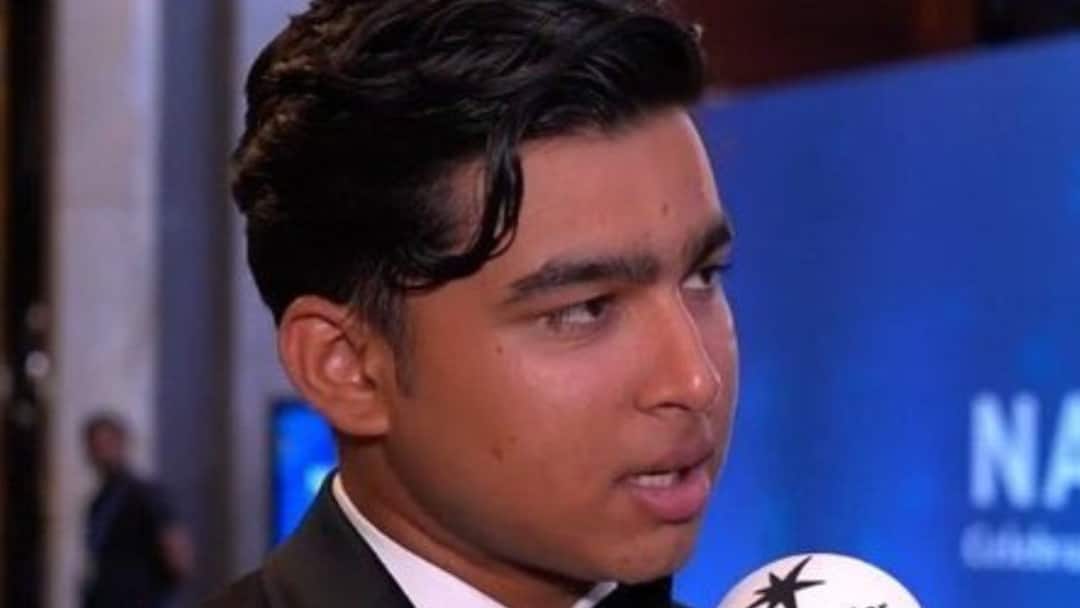
It is within this context that Balen Shah rose to prominence. Originally known as an engineer, rapper, and civic activist, he gained national attention after winning the 2022 Kathmandu mayoral election as an independent candidate. His tenure as mayor has been marked by decisive administrative actions, including crackdowns on illegal constructions, improvements in urban governance, and a strong emphasis on transparency. His direct communication style through social media has further strengthened his appeal among young voters.
If his party has indeed secured a clear majority at the national level, it reflects a significant shift in voter sentiment. It suggests that the Nepali electorate, especially the younger generation, is ready to move beyond traditional political structures and support leadership that promises efficiency and reform. The role of digital platforms and youth mobilisation has been particularly crucial in shaping this new political narrative.
What It Means For India
From the perspective of India-Nepal relations, this political development carries multiple implications. One of the foremost challenges for the new government will be to maintain a balanced foreign policy between India and China. Nepal’s geographical position between these two major powers has historically required it to pursue a careful and pragmatic diplomatic approach.
India has long been Nepal’s key partner in trade, infrastructure, energy, and connectivity. The 1950 Treaty of Peace and Friendship laid the foundation for close bilateral cooperation. In recent years, India has invested in several infrastructure projects in Nepal, including roads, railways, and hydropower initiatives, which are expected to boost Nepal’s economic growth.
Political Shift In Nepal
At the same time, China has significantly expanded its engagement in Nepal through its Belt and Road Initiative, proposing major infrastructure and connectivity projects. This has added a new dimension to Nepal’s foreign policy calculus. The new leadership under Balen Shah will need to navigate these relationships carefully, ensuring that Nepal’s sovereignty and economic interests are protected while maintaining constructive ties with both neighbors.
Analysts suggest that Balen Shah’s leadership style appears more pragmatic and development-oriented rather than ideologically driven. His focus on governance reforms and economic progress could open new avenues for cooperation with India. Sectors such as energy, tourism, education, and technology offer immense potential for deepening bilateral collaboration.
It is also worth noting the rise of alternative political forces in Nepal, such as the Rastriya Swatantra Party, which has gained popularity among younger voters by advocating clean politics and systemic reform. However, if Balen Shah’s party has achieved a clear majority, it indicates a broader wave of political transformation driven by public demand for change.
Despite the optimism, the challenges ahead remain substantial. Nepal continues to face economic constraints, high unemployment, and heavy dependence on remittances from overseas workers. A large number of Nepali youths migrate abroad each year in search of employment, which impacts the country’s long-term development. Addressing these structural issues will be critical for the success of the new government.
Implications For India-Nepal Relations
Additionally, India-Nepal relations have occasionally been strained by sensitive issues such as border disputes and political rhetoric. It will be important for the new leadership to handle such matters through dialogue and diplomacy, maintaining mutual trust and respect. Given the deep historical and cultural ties between the two nations, there is strong potential to further strengthen cooperation.
In conclusion, the reported majority of Balen Shah’s party in Nepal’s general elections represents more than just a political victory-it signals a possible transformation in governance and public expectations. For India, this presents both an opportunity and a moment for strategic engagement. By working closely with Nepal’s new leadership, both countries can enhance their partnership and contribute to regional stability and shared prosperity. The coming years will determine whether this political shift translates into lasting change, but it has undoubtedly ushered in a new chapter in Nepal’s political journey.
Author: Dr. Kunwar Pushpendra Pratap Singh, Post Doctoral Fellow (ICSSR, Ministry of Education), Department of Political Science, Faculty of Social Sciences, Banaras Hindu University, Varanasi
Doonited Affiliated: Syndicate News Hunt
This report has been published as part of an auto-generated syndicated wire feed. Except for the headline, the content has not been modified or edited by Doonited