
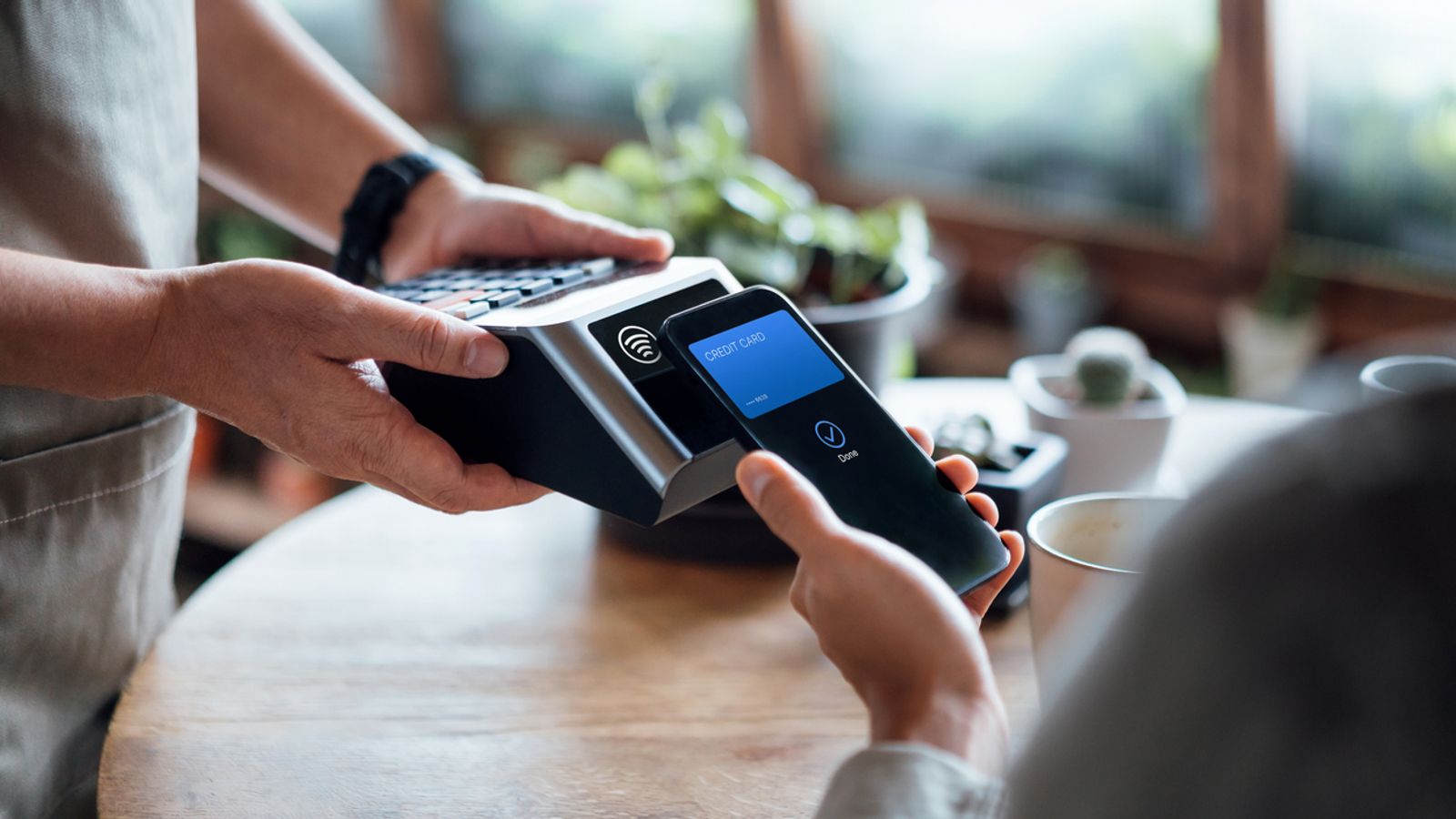
A “friendly fraud” trick used against shopkeepers and restaurants is becoming an “epidemic”, experts have warned.
The con involves paying for goods or services, such as a meal in a restaurant, then telling your bank the money was taken illegitimately.
This is done via the “chargeback” mechanism that’s supposed to help consumers get refunds when they’ve been mis-sold something.
Chargeback is projected to be used 281 million times globally this year and up to 70% will be fraudulent, according to forecasts by researchers Datos Insights.

“Bottom line: This problem has really become an epidemic,” says Monica Eaton, chief executive of the world’s biggest chargeback dispute management company, Chargebacks911.
“It’s really severe for all the small businesses and entrepreneurs.”
Among those small business owners is Nima Safaei, who says he lost £2,000 to fraudsters targeting his restaurant, 40 Dean Street in London’s Soho, last Autumn.
“It is very disappointing and disheartening, to be honest,” says Safaei.
“How can they sleep at night?”
He continues: “For a small independent business, £2,000 is a lot of money.
“If that would happen in the long-term, say a year, we’d definitely not survive it.”
Chargeback is supposed to be a layer of protection for consumers, allowing them to apply to reverse a card transaction if fraud occurs or if a seller does not rectify undelivered or faulty goods.
“This is a fantastic protection for consumers, but there are, it seems, a large number of consumers who are abusing that,” says Adam Scarrott, director of issuing and acceptance at the trade association UK Finance.
Different levels of chargeback fraud
This abuse, at its lowest level, could fall into what’s described as “friendly fraud”. This might be claiming after failing to recognise the subject line on a bank statement or being unaware that their child has made purchases using their iPad.
Encouraged by misguided or nefarious social media influencers and forums, some customers may go on to use chargeback as if it were a convenient “life hack” when they feel dissatisfied with a delivery.
And at the extreme end is outright fraud, like making a chargeback and keeping the goods, or requesting both a refund and a chargeback.
“Which then leads to another pattern of behaviour – ‘I can get my mates involved’ – which starts to be a kind of low-level organised crime,” says Scarrott.
One dispute seen by Chargebacks911 included office staff at a major airline who were encouraging relatives to submit chargebacks for their flight tickets and ensuring the company would not contest them from the inside.
A new kind of fraud
Chargeback fraud is relatively new – and no one wants to talk about it. Banks and retailers are wary of accusing their own customers of committing fraud and there is no shared, centralised and standardised data on the crime, Scarrott says.
After submitting a freedom of information request on the prevalence of chargeback fraud to the government’s cybercrime reporting platform Report Fraud, the Money team was told the number of chargeback fraud incidents is not recorded under Home Office rules.
But between 20% and 47% of fraudulent chargebacks are thought to be carried out by customers themselves – the remainder by identity thieves and more organised criminals, according to surveys of merchants and financial institutions by Datos Insights.
And Visa, which offers chargeback on all its cards, told Money: “Chargeback fraud, including so‑called ‘friendly fraud’, is a growing challenge across the payments ecosystem.”
That won’t be news to pastry chef, author and TV presenter Ravneet Gill, who sees a fraudulent chargeback claim at her Chingford restaurant at least once a month.
Gina Restaurant has few walk-ins and instead relies on reservations, so it charges large groups £20 a head if they don’t show up to their booking.
The fee is intended to claw back some of the costs of ingredients they’ve ordered and staff they’ve hired specifically for that booking, but no-shows regularly file a chargeback claim.
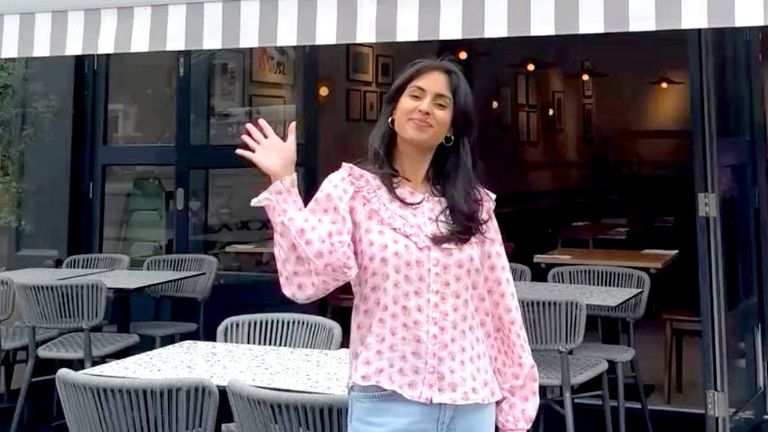
Ravneet Gill
“It’s incredibly detrimental in an area where you don’t get walk-in foot traffic,” says Gill, a judge on Channel 4’s Junior Bake Off and author of The Pastry Chef’s guide.
“It just makes you lose faith in people. Because we’re an independent business, you can just contact us and have a reasonable conversation.”
She continued: “People need to be aware of the impact it has on small businesses, because not only is it just the charge, but it’s the admin time it takes somebody who is probably very over-stretched already.”
The cost to consumers
“The ultimate consequence of consumers raising fraudulent chargebacks? It becomes part of an overhead, which raises prices for us: the genuine people, the honest people,” Scarrott says.
For every £1 in a chargeback claim, retailers lose £2.85 in fees, interest and merchandise, according to regulation analytics firm Lexis Nexis.
This figure rises to £4.80 for the financial services firms processing the chargeback, due to higher salaries and the additional investigative efforts required by regulations.
Now consider that Chargebacks911 says it recently oversaw a dispute in Florida over a £260,000 jacket.
Based on these statistics, it had the potential to generate more than £1m in costs.
“The cost is just astronomical. Industry-wide, this has grown to hundreds of billions,” says Eaton.

Monica Eaton
Chargebacks were valued at an estimated $33.8bn globally last year, Datos Insights data shows.
The UK recorded the fourth most expensive average chargeback value, at £60.
“It forces up the cost for the banks, it forces up the costs for the retailers, and we suffer,” Scarrott says.
If the number of chargebacks filed against a merchant exceeds a threshold, usually 1% of their transactions, they may face special measures, such as a fine, deferred card payments or even, in rare cases, losing access to card payment systems entirely.
“You’re living in fear,” Eaton says, adding they’re not easy to contest.
“It’s a very tedious, time-consuming process, so many don’t defend themselves.”
Begging to differ
When a customer submits a chargeback claim, it is reviewed by their bank, which refunds the cash before informing the merchant, which has between 10 and 35 days to dispute it depending on their payment processor.
Their evidence is assessed by the bank and if it takes the customer’s side, the merchant’s only option is to seek independent arbitration – and usually foot the bill for the privilege.
Arbitration is carried out by the payment network provider they use – think Mastercard, Visa or Amex – which charge handling fees.
Visa and Mastercard charge the losing party, but only Visa publicly discloses the amount – around £360. Amex charges the merchant around £11 to £18 regardless of the outcome.
“Every time I submitted that evidence, I never won, I never got my money back,” says Gill, who says her online cooking classes included attendees who claimed they weren’t there and submitted a chargeback.
“So I just resigned to the fact that this is just part and parcel of running an online business.”
The same thing happened challenging no-shows at Gina Restaurant: “I would submit the evidence that they booked, they didn’t show up, they were emailed – and I would lose again.”
So what can merchants do?
“If merchants believe they’re being targeted, the first step is to work directly with their acquirer or payments processor, who can advise on what evidence is needed to challenge disputed transactions,” a Visa spokesperson told Money.
“Sellers can also strengthen their protection by using strong authentication tools, ensuring receipts and product descriptions are clear, and making refund and return policies easy to understand at the point of sale.”
Be proactive, agreed both Scarrott and Eaton.
Their advice included recording evidence of deliveries or using a third-party software firm to manage chargeback disputes.
Make sure to build a relationship with your customers, adds Eaton.
“People don’t file chargebacks against people, interestingly. They file chargebacks against the virtual community, a store.”
In the end, says Scarrott, cash is the ultimate failsafe – but most customers don’t carry it.
Doonited Affiliated: Syndicate News Hunt
This report has been published as part of an auto-generated syndicated wire feed. Except for the headline, the content has not been modified or edited by Doonited