

Show Quick Read
Key points generated by AI, verified by newsroom

- Iran criticises US naval blockade of its ports.
- Tehran questions legality and economic impact of blockade.
- US confirms operational blockade, Trump notes increased traffic.
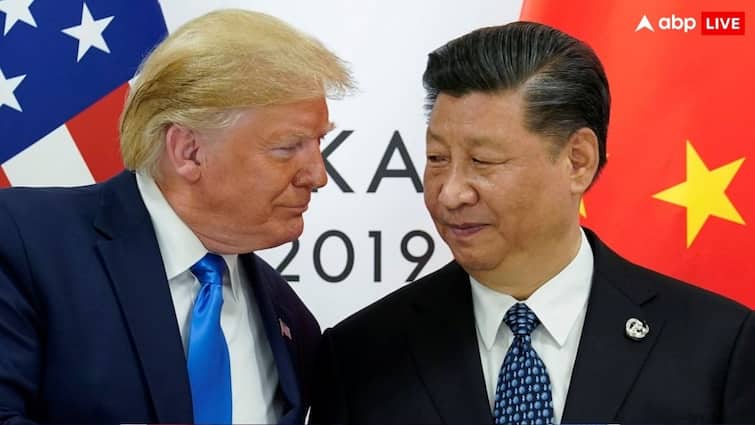
Iran has strongly criticised the United States after Washington initiated a naval blockade targeting maritime traffic linked to Iranian ports, marking a sharp escalation in tensions. Tehran questioned both the legality and the broader economic consequences of the move, warning that such actions risk destabilising global trade flows. The development follows a series of threats from US President Donald Trump, who has taken an aggressive stance against Iranian naval activity in the Gulf.
Iran Hits Out
Iran’s Foreign Ministry spokesperson Esmaeil Baghaei criticised the blockade in a sharply worded post on X, questioning whether what he described as an “illegal war of choice” could be justified through actions that harm the global economy.
Can an illegal “war of choice” be won through a “revenge of choice” against the global economy?!
Is it ever worthwhile to cut off one’s nose to spite one’s face?!
— Esmaeil Baqaei (@IRIMFA_SPOX) April 13, 2026
He warned against self-defeating strategies, suggesting that retaliatory economic disruption could ultimately backfire. His remarks came in response to Trump’s warning that Iranian vessels approaching the blockade would be “immediately eliminated”.
The US military has confirmed that the blockade on maritime traffic entering and exiting Iranian ports is now operational, in line with Washington’s stated timeline.
Trump Highlights Surge In Strait Traffic
Trump said that 34 ships passed through the Strait of Hormuz in a single day, describing it as the highest number recorded since what he termed the “foolish closure” began, signalling increased maritime movement despite ongoing tensions.
China Flags Ceasefire Risks
Amid rising tensions, China has raised concerns over the fragility of the current ceasefire between the US and Iran. Chinese Foreign Minister Wang Yi described the situation as “very fragile” and called on the international community to oppose any actions that could escalate the confrontation.
During a call with Pakistan’s Foreign Minister Ishaq Dar, Wang stressed that the priority should be to preserve the existing ceasefire momentum. He also indicated that China would welcome a greater role for Pakistan in facilitating dialogue and de-escalation.
Beijing, he added, remains prepared to contribute to efforts aimed at resolving the conflict.
Bihar Political Buzz: Samrat Choudhary Likely to Become Next Chief Minister
Doonited Affiliated: Syndicate News Hunt
This report has been published as part of an auto-generated syndicated wire feed. Except for the headline, the content has not been modified or edited by Doonited