
Show Quick Read
Key points generated by AI, verified by newsroom

- Minister Gadkari refutes conflict allegations regarding his family’s sugar business.
- He states sons manage business; ministry sets ethanol policy and prices.
- Ethanol program reduces pollution, aids farmers, promotes cleaner energy transition.
- Government clarifies E20 fuel concerns, citing studies and regulatory safeguards.
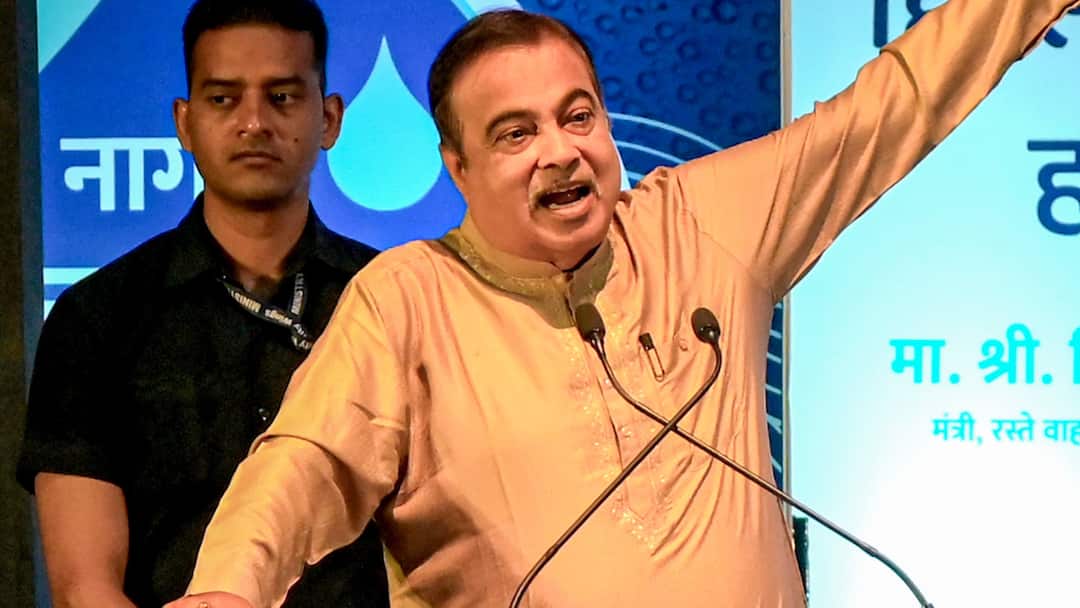
Union Road Transport and Highways Minister Nitin Gadkari has rejected allegations of a conflict of interest over his family’s sugar business, saying ethanol accounts for only a small portion of its operations and that the government, not him, determines ethanol prices.
Speaking to The Times of India, Gadkari said the business is managed by his sons, while the Centre’s ethanol programme is overseen by the Petroleum Ministry. He added that ethanol pricing is decided by the Union Cabinet, leaving him with no role in the process.
“The business is run by my sons, the programme is run by the petroleum ministry and the price is decided by the Cabinet. So, I have no influence over it. Ethanol is just 10% of the business, and the factories run by my sons have less than 0.5% share of the ethanol business in the country. The companies have a debt of Rs 1,600 crore. A lot of lies are being spread,” he told The Times of India.
Gadkari Calls Allegations ‘Politically Motivated’
The minister described the allegations as politically motivated and said false claims were being circulated about his family’s business.
He said his sons’ companies account for less than 0.5 per cent of India’s ethanol industry and that ethanol contributes only a small share of their overall business. Gadkari also noted that the companies carry a debt of Rs 1,600 crore.
According to the minister, he has no role in the companies’ operations, ethanol procurement or price determination.
ALSO READ | ‘Don’t Want E20? Pay More For Pure Petrol’: Gadkari Defends Ethanol-Blending Programme
‘Ethanol Programme Supports Clean Energy and Farmers’
Gadkari described ethanol as one of several cleaner fuel alternatives being promoted to reduce vehicular pollution and lower India’s dependence on imported crude oil.
He said the government’s biofuel programme has expanded beyond sugarcane and now includes feedstocks such as maize, rice, crop stubble and bamboo.
According to the minister, the broader feedstock base benefits farmers while supporting the country’s transition towards cleaner sources of energy.
ALSO READ | India’s E20 Fuel Sparks Debate, But Which Countries Use Even More Ethanol?
Government Reiterates Support For E20 Fuel
The Centre’s push to increase ethanol blending in petrol has sparked concerns among some vehicle owners and experts over engine performance, fuel efficiency and compatibility with older vehicles.
While the government says it has achieved its target of 20 per cent ethanol blending (E20) ahead of schedule and maintains that all E10-compliant petrol vehicles can safely use E20 fuel, some consumers have raised concerns over reduced mileage because ethanol contains less energy than petrol.
The government has also issued a 10-point clarification to counter what it described as misinformation surrounding the E20 programme. The Ministry of Petroleum and Natural Gas said the initiative is supported by scientific studies, regulatory safeguards and international experience, while addressing concerns related to engine damage, water consumption, vehicle warranties, fuel efficiency and environmental impact.
US Politics: Trump Faces Criticism Over Iran Deal as Questions Rise at Home
Doonited Affiliated: Syndicate News Hunt
This report has been published as part of an auto-generated syndicated wire feed. Except for the headline, the content has not been modified or edited by Doonited