
13 July 2026
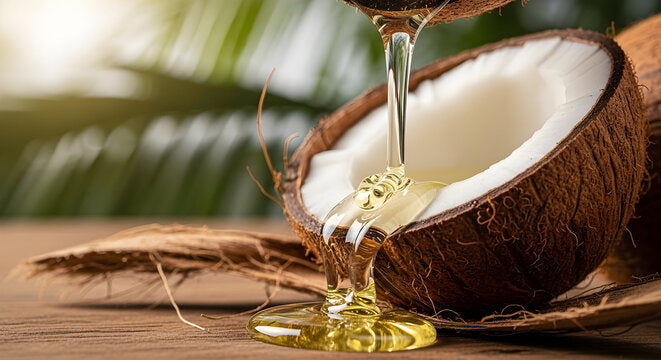
Virgin Coconut Oil (VCO) is a cold-pressed oil extracted from fresh coconut meat without high heat or chemical processing. In Ayurveda, it is traditionally valued for its cooling and nourishing qualities and is commonly used for cooking, skin care, hair care, massage, and oral care. This guide explains its nutrition, traditional uses, precautions, and current scientific understanding.

Virgin Coconut Oil at a Glance
| Attribute | Details |
|---|---|
| Source | Fresh coconut meat |
| Extraction Method | Cold pressed |
| Ayurvedic Nature | Cooling and nourishing |
| Traditionally Used For | Cooking, skin care, hair care, massage, oil pulling |
| Key Components | Lauric acid, medium-chain triglycerides (MCTs) |
| Common Forms | Virgin, cold-pressed, refined |
TL;DR – Virgin Coconut Oil (VCO)
- Pure & Natural: Extracted from fresh coconut meat without heat or chemicals, retaining aroma, nutrients, and MCTs for holistic wellness.
- Ayurvedic Essence: Cooling and nourishing—balances Pitta and Vata, used in Nasya, Abhyanga, and oil pulling for detox and serenity.
- Health & Beauty Benefits: Boosts metabolism, supports immunity, nourishes skin and hair, and aids digestion through natural antimicrobial action.
- Daily Uses: Ideal for cooking, baking, moisturizing, oil pulling, and baby massage—versatile for modern living with ancient wisdom.
- Mindful Use: Choose Maharishi Ayurveda Virgin Coconut Oil, store properly, and use in moderation (1–2 tbsp/day). Patch-test for sensitive skin.
Virgin Coconut Oil: Pure & Cold-Pressed Wellness Essential
Additional 2% Off on Prepaid Order
Ayurvedic Way of Working with Coconut Oil
Known for its cooling and lubricating qualities in Ayurveda, coconut oil is both a cooking medium and a remedy helping to balance Pitta and Vata. However, it’s best to bear in mind that an excess may aggravate Kapha, especially in humid climates.
Coconut oil forms the base for Brahmi Taila and Murivenna, which are anti-inflammatory and cooling.
Coconut oil by itself is also used in a variety of Ayurvedic processes, including:
- Nasya: Drops of coconut oil into the nose are known to clear the sinuses.
- Abhyanga: Used in the traditional self-massage, it nourishes the skin and calms the mind.
- Kavala Or oil-pulling : This entails swishing the mouth with virgin coconut oil and spitting it out. The process draws out toxins from the oral cavity. Best done in the morning.
What Is the Nutritional Profile of Virgin Coconut Oil?
Coconut oil has a singular nutritional composition.
- Rich in lauric acid, a medium-chain fatty acid with powerful antimicrobial properties that support immunity.
- Contains MCTs such as caprylic and capric acids, which are quickly absorbed for instant energy, aiding metabolism.
- Provides fat-soluble vitamins E and K, essential for skin health and overall wellness.
Key Benefits of Virgin Coconut Oil
1. How Can Virgin Coconut Oil Help Boost Metabolism?
Virgin coconut oil is rich in medium-chain triglycerides (MCTs), which are quickly converted into energy, potentially enhancing your metabolism and supporting weight management.
2. What Are the Benefits of Virgin Coconut Oil for Skin?
The moisturizing properties of coconut oil make it an excellent natural remedy for dry skin, helping to soothe and hydrate while promoting a radiant complexion.
3. How Is Virgin Coconut Oil Traditionally Used for Hair Care?
Many people use virgin coconut oil as a hair treatment to reduce protein loss, nourish the scalp, and improve overall hair health.
4. How Can Virgin Coconut Oil Support Immune Function?
Thanks to its high lauric acid content, coconut oil may help boost the immune system by combating harmful bacteria and viruses.
5. How Does Ayurveda Describe the Use of Virgin Coconut Oil for Digestion?
Coconut oil can support digestive health by promoting the absorption of fat-soluble vitamins and soothing the gut lining, making it a gentle choice for those with sensitive stomachs.
6. What Are the Natural Antimicrobial Benefits of Virgin Coconut Oil?
The antimicrobial properties of virgin coconut oil can help protect against infections, making it a popular choice for oil pulling and oral health routines.
7. Why Is Virgin Coconut Oil Considered a Versatile Cooking Oil?
With its high smoke point and delightful flavor, virgin coconut oil is perfect for various cooking methods, from sautéing to baking, adding a tropical twist to your dishes.
8. What Is the Cultural Significance of Virgin Coconut Oil?
In many cultures, coconut oil is not just a cooking ingredient but also a part of beauty rituals and traditional medicine, showcasing its versatility and timeless appeal.
How to Use Virgin Coconut Oil
1. Cooking
Use 1-2 tablespoons of virgin coconut oil for sauteing vegetables or as a base for stir-fries. Its high smoke point makes it suitable for various cooking methods without losing its beneficial properties.
2. Baking
Replace butter or other oils with virgin coconut oil in your baking recipes for a subtle coconut flavor and added moisture. It works wonderfully in cakes, cookies, and muffins.
3. Skin Moisturizer
After a shower, apply a small amount of virgin coconut oil to damp skin. It acts as an excellent moisturizer, sealing in hydration and leaving your skin soft and supple.
4. Hair Treatment
For a nourishing hair mask, warm up 1-2 tablespoons of coconut oil and apply it to your hair, focusing on the ends. Leave it on for at least 30 minutes before washing it out for shiny, healthy hair.
5. Oil Pulling
Swish 1 tablespoon of virgin coconut oil in your mouth for 10-20 minutes each morning to help remove toxins and promote oral health. Spit it out and rinse your mouth with warm water.
Read the blog: Oil Pulling, Tooth Pain Remedies & Ayurvedic Toothpaste
6. Massage Oil
Use virgin coconut oil as a base for massage oils. Its smooth texture and pleasant aroma make it perfect for a soothing massage that nourishes the skin.
7. Baby Care
Gently massage your baby with virgin coconut oil for its calming and moisturizing effects. It’s safe and nourishing for delicate skin, making it an ideal choice for infants.
Common Misconceptions About Coconut Oil
In the world of health and wellness, coconut oil often finds itself at the center of various debates and misconceptions. Here are some common myths:
Myth 1: Coconut oil is unhealthy because it is high in saturated fat
Fact: While coconut oil does contain saturated fat, it is primarily composed of medium-chain triglycerides (MCTs) that are metabolized differently than long-chain fats found in animal products. In moderation, it can be a healthy addition to your diet.
Myth 2: Virgin coconut oil is the same as regular coconut oil
Fact: Virgin coconut oil is extracted from fresh coconut meat without heat or chemicals, preserving its nutrients and flavor, while regular coconut oil may be refined and lack these benefits.
Myth 3: Coconut oil causes weight gain
Fact: When consumed in moderation, coconut oil can support metabolism and energy levels. However, like any calorie-dense food, over consumption may lead to weight gain.
Myth 4: Coconut oil is only good for cooking
Fact: Beyond the kitchen, coconut oil has numerous applications in skincare, haircare, and even oral health, making it a versatile product in your wellness routine.
Myth 5: All coconut oil is the same
Fact: There are various types of coconut oil, including virgin, refined, and hydrogenated. Each has different properties and uses, so it’s essential to choose the right one for your needs.
Precautions to Keep in Mind When Using Coconut Oil
- May trigger allergies in rare cases particularly in the case of those allergic to nuts so best to do a patch test.
- Those with oily or acne-prone skin may experience clogged pores. In such cases, use sparingly and proceed depending on the reactions.
- Coconut oil is packed with goodness, but it is high in calories. So, not more than 1-2 tablespoons per day, if consumed.
- Cholesterol levels may rise, especially if you have a history of cardiovascular conditions, so consume mindfully.
- If you are on lipid-lowering therapy or any other medications, consult your healthcare provider before switching to coconut oil in a significant way.
- Ensure your oil is not contaminated ,store in a cool, dark place and use a clean, dry spoon if dipping into the container.
How Is Virgin Coconut Oil Different from Refined Coconut Oil?.
| Virgin Coconut Oil | Refined Coconut Oil |
|---|---|
| Cold pressed | Heat processed/refined |
| Retains natural aroma | Neutral aroma |
| Minimal processing | More processing |
| Often preferred for skincare and wellness | Commonly used for high-heat cooking |
Read our complete guide on Cold-Pressed Virgin Coconut Oil vs Regular Coconut Oil—>
Conclusion
In conclusion, virgin coconut oil is a true gift from nature, offering a wide range of benefits for both health and beauty. From enriching your meals to nourishing your skin and hair, it embodies holistic wellness rooted in ancient Ayurvedic wisdom.
Incorporate it mindfully into your daily routine, whether for cooking, skincare, or wellness rituals, and experience its cooling, nourishing qualities. Virgin coconut oil can beautifully bridge your modern lifestyle with the timeless traditions of Ayurveda, making it a wonderful starting point for a more balanced and harmonious life.
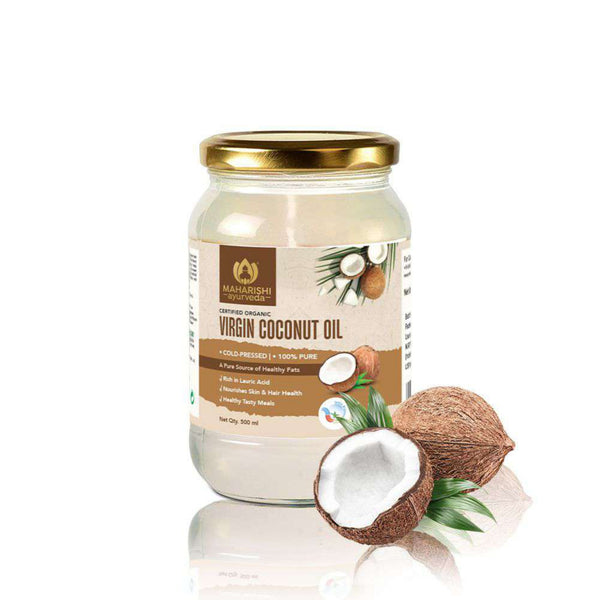
Experience the purity of Ayurveda with Maharishi Ayurveda Virgin Coconut Oil, perfect for cooking, skin, and hair care.
Virgin Coconut Oil: Pure & Cold-Pressed Wellness Essential
Additional 2% Off on Prepaid Order
Doonited Affiliated: Syndicate News Hunt
This report has been published as part of an auto-generated syndicated wire feed. Except for the headline, the content has not been modified or edited by Doonited