

Show Quick Read
Key points generated by AI, verified by newsroom

- RBI retains FY27 GDP growth projection at 6.6 percent.
- Monetary Policy Committee kept repo rate unchanged at 5.25 percent.
- Domestic economy shows resilience, driven by consumption and investment growth.
The Reserve Bank of India (RBI) on Friday retained its real GDP growth projection for FY27 at 6.6 per cent, signalling confidence in the domestic economy’s resilience despite rising geopolitical uncertainty and elevated commodity prices.
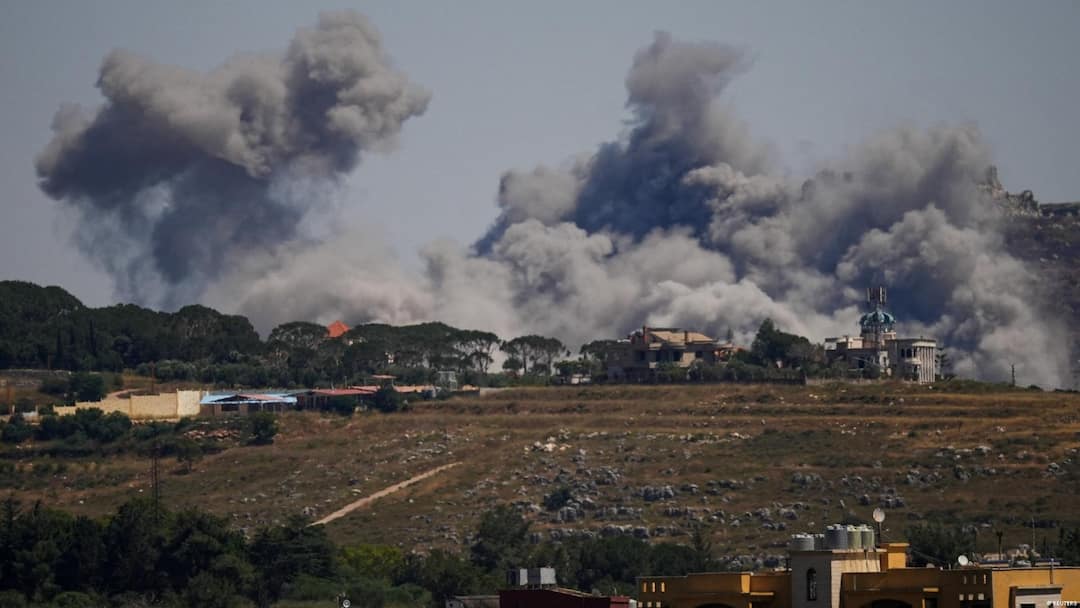
Announcing the outcome of the Monetary Policy Committee’s (MPC) latest meeting, RBI Governor Sanjay Malhotra said the economy has remained largely steady even as the conflict in West Asia continues to create challenges for global growth, trade and inflation.
The six-member MPC, which met between June 3 and June 5, unanimously voted to keep the repo rate unchanged at 5.25 per cent while retaining its neutral policy stance.
Domestic Economy Remains Resilient Despite External Headwinds
According to the central bank, several high-frequency indicators suggest that economic activity has held up well since the outbreak of the conflict in West Asia.
Private consumption has remained resilient, while investment activity has continued to gain traction despite higher input costs. Merchandise exports posted strong growth in April, and services exports continued to perform steadily.
The RBI noted that while the economy has so far absorbed the spillover effects of the conflict with limited disruption, signs of strain are gradually becoming visible.
Also Read : RBI MPC June 2026: Sanjay Malhotra-Led Panel Keeps Repo Rate Unchanged At 5.25%
Growth Supported By Consumption And Investment
Looking ahead, the central bank expects domestic demand to remain a key pillar of growth.
Urban consumption is likely to benefit from stable employment conditions, continued momentum in the services sector and the impact of GST rationalisation measures. Investment activity is also expected to remain supported by strong capacity utilisation, healthy credit growth from banks and non-banking lenders, and continued government capital expenditure.
The RBI said government initiatives aimed at supporting MSMEs and exporters, boosting domestic energy production and diversifying critical imports have strengthened the economy’s ability to withstand external shocks.
RBI Projects Growth Across Quarters
The central bank maintained its full-year GDP growth estimate for FY27 at 6.6 per cent.
Quarter-wise, real GDP growth is projected at:
6.6 per cent in Q1
6.3 per cent in Q2
6.5 per cent in Q3
6.8 per cent in Q4
The projections indicate an expectation of stronger growth momentum towards the second half of the financial year.
Also Read : West Asia War, Oil And El Nino Risks Push RBI MPC To Raise FY27 Inflation Forecast To 5.1%
West Asia Conflict Emerges As Key Risk
While maintaining its growth forecast, the RBI cautioned that the external environment has become significantly more challenging.
The central bank said elevated energy and commodity prices, coupled with ongoing supply disruptions, are likely to weigh on economic activity. Although India has diversified imports in several critical commodities, these alternatives often come at a higher cost.
According to the RBI, the eventual impact on growth will depend on the duration of the conflict, the speed at which global supply chains normalise and how the burden of higher costs is shared across economies and businesses.
Monsoon, Global Demand Among Key Concerns
Apart from geopolitical developments, the RBI also highlighted weather-related risks.
The south-west monsoon is expected to be deficient, which could affect agricultural output and rural demand. However, the central bank noted that initiatives such as crop diversification, water conservation programmes, climate-resilient farming practices and the adoption of short-duration crops could help mitigate some of the impact.
On the external front, weak global demand, along with elevated freight and insurance costs, may continue to weigh on merchandise exports, although services exports are expected to remain resilient.
Also Read : RBI MPC June 2026: India Offers Tax-Free G-Secs To Foreign Investors Amid Oil, Rupee And War Risks
RBI Flags Downside Risks To Growth Outlook
Despite retaining its growth estimate, the central bank acknowledged that risks to the outlook remain tilted to the downside.
The RBI said prolonged global supply-chain disruptions, heightened volatility in financial markets and adverse weather developments could pose challenges to economic growth in the coming quarters.
Nevertheless, the central bank believes that strong domestic fundamentals, continued policy support and resilient consumption and investment trends should help the Indian economy navigate an increasingly uncertain global environment.
BREAKING NOW: Indore fire tragedy as EV short circuit triggers deadly explosions
Doonited Affiliated: Syndicate News Hunt
This report has been published as part of an auto-generated syndicated wire feed. Except for the headline, the content has not been modified or edited by Doonited