

29 May 2026
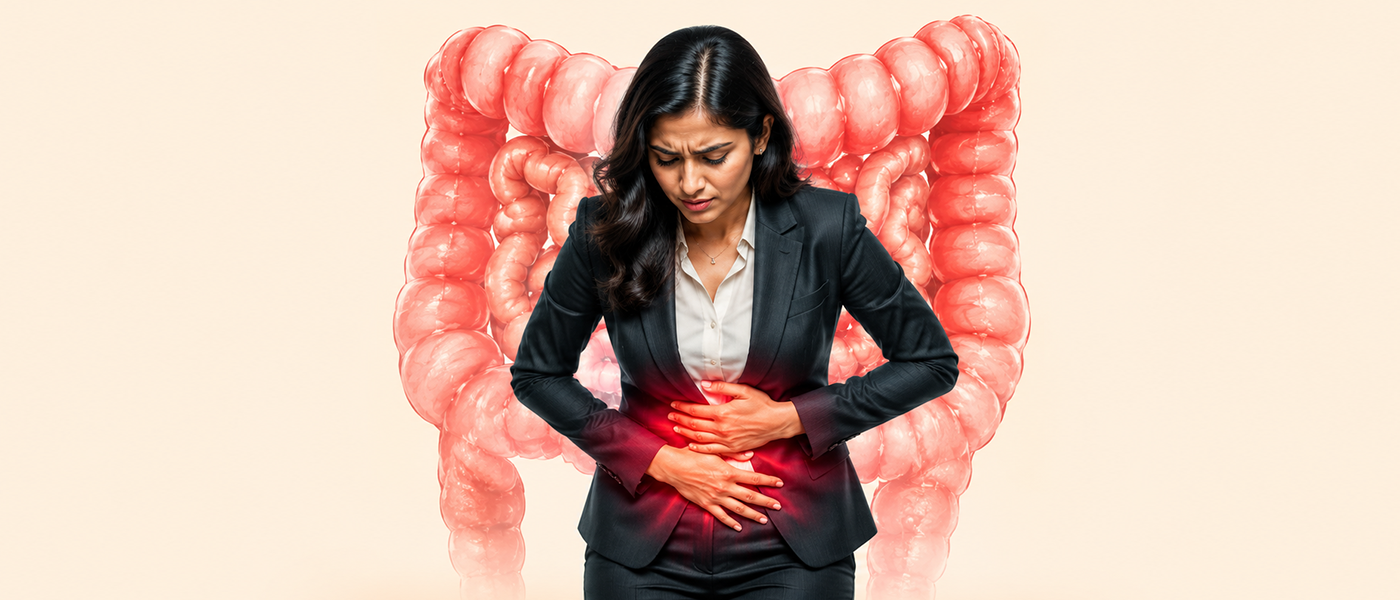
Most of us have felt it at some point. A sleepless night before a difficult meeting. A tight chest during a family argument. A stomach that refuses to settle when life feels out of control. Stress, in small doses, is something the human body knows how to handle. But when it stays, day after day, month after month, it begins to quietly damage things from the inside.

Today, stress is no longer just a mental health concern. It sits at the root of some of the most common health problems seen in women, including hormonal disorders such as PCOS, recently renamed PMOS (Polyendocrine Metabolic Ovarian Syndrome), metabolic dysfunction, and long-term fatigue. Understanding what stress actually does to the body is the first step towards doing something about it.
TL;DR – Stress, Hormonal Imbalance & Ayurvedic Support
- Stress Is Not Just Mental: Chronic stress can affect digestion, immunity, sleep, hormones, metabolism, mood, and long-term energy levels.
- Cortisol Disrupts Balance: When stress stays high, cortisol may disturb estrogen, progesterone, insulin, thyroid function, and reproductive health.
- Stress Can Worsen PMOS: Ongoing stress may contribute to insulin resistance, androgen imbalance, irregular cycles, weight gain, acne, fatigue, and fertility challenges.
- Ayurveda Links Stress to Agni: Chronic stress weakens digestive fire, creates Ama, disturbs Doshas, drains Ojas, and affects hormonal and metabolic balance.
- Early Signs Should Not Be Ignored: Poor sleep, digestive discomfort, mood changes, fatigue, skin issues, and hair fall may be signs that the body is under stress.
- Daily Routine Is the First Medicine: Regular sleep, steady meal timings, warm nourishing food, physical activity, and seasonal routines help restore internal rhythm.
- Breathwork & Meditation Help Calm the System: Practices like Anulom-Vilom, Bhramari, yoga, and mindful rest may support the nervous system and stress resilience.
- Support Must Be Holistic: Herbs like Ashwagandha, Brahmi, Trikatu, Haritaki, and Hingwashtaka may help, but they work best with food, sleep, movement, and stress-control habits.
What Is Stress and Why It Matters More Than You Think
Stress as a Survival Mechanism
A physiological stress reaction is an adaptive mechanism, which serves as an evolutionary response meant to help one survive in dangerous situations. Physiological changes in this case include increased heart rate, increased muscle tone, and focused attention. Such a stress response is known as the fight-or-flight response and works effectively when faced with acute stressors.
Acute vs Chronic Stress
An acute stress reaction implies a stressor that lasts only momentarily and that will be overcome without any disruption to normal functioning. A chronic stress response is a response that persists for a long period of time and is not easily overcome.
Why Modern Stress Never Switches Off
Modern-day stressors do not threaten lives anymore, but the physiological stress response does not differentiate between degrees of threat. Stress factors such as work, lack of sleep, finances, improper nutrition, and overexposure to screens keep a person stressed, thus preventing restorative mechanisms from working and putting stress on systems responsible for rest and recovery.
What Happens Inside Your Body During Stress
Cortisol and Adrenal Response
When there is a physiological response to stress, adrenals secrete a hormone called cortisol. In healthy physiological conditions, cortisol helps produce and deliver energy to the body. However, with excessive amounts of cortisol caused by constant stress, other hormone systems can be affected, including female hormone systems like estrogen and progesterone, affecting menstruation.
Nervous System Overdrive
The nervous system consists of two states: active (or aroused) and a relaxed state (parasympathetic). Being in a constant state of arousal caused by chronic stress prevents an organism from relaxation, digestion, and restoration, eventually leading to negative health consequences.
Impact on Digestion and Immunity
According to Ayurveda, healthy living is impossible without Agni (or digestive fire), which is weakened in case of chronic stress. As a result, a person experiences Ama formation, which means undigested food products accumulate and negatively influence the circulatory, immunological, and hormonal functions of the body.
Hormonal Disruption Begins
Apart from the effects of chronic cortisol, stress has an impact on many hormonal systems in the body. For instance, insulin, thyroid, and reproductive hormones can be affected.
Types of Stress You Experience Daily
Physical stress comes from illness, injury, overwork, or inadequate rest. Emotional Stress encompasses worry, sorrow, anxiety and persistent relationship conflict. Environmental Stress includes pollution, disruption of routine and exposure to toxins which some people are not aware of burdening their body. The weakening of Agni through poor dietary habits, foods that are high in sugar, irregular meal times, and lack of movement, causes Metabolic Stress and leads to the accumulation of Ama over time.
Causes of Stress in Modern Lifestyle
Changing work routines, working long hours without adequate rest, sleep deprivation (lack of proper sleep, also called Samyakanidra, which is a sleep of 6-8 hours at night), food intake of junk food, cold drinks and bakery products, and constant emotional difficulties are all factors contributing to chronic stress. These, individually, load the body. Together they set the stage for serious hormonal and metabolic issues to emerge.
Diseases Linked to Chronic Stress
Hormonal Chaos: What is PMOS
One of the health conditions most directly associated with chronic stress is PCOS (Polycystic Ovary Syndrome), which has recently been renamed PMOS (Polyendocrine Metabolic Ovarian Syndrome) by major medical associations.
The renaming matters. The older explanation pointed to the presence of cysts on the ovaries. In reality, many women with this condition never develop true cysts at all. What they do experience is a wide range of signs that often go unrecognized for years. These may include missed, irregular, or very light periods; weight gain especially around the belly; acne or oily skin; extra body hair on the chest, stomach, or back (hirsutism); thinning of scalp hair in a male pattern; small skin tags on the neck or armpits; and dark or thick skin patches on the back of the neck, under the arms, or under the breasts. Fertility difficulties are also commonly reported.
Traditionally, this condition was assessed through blood tests checking for raised androgen (male hormone) levels, blood glucose, cholesterol, and triglyceride levels, alongside an ultrasound to examine the ovaries for size and cysts. These tools remain useful, but the understanding of what the condition actually involves has now significantly widened.
The term PMOS more accurately reflects what is actually going on: multiple gland systems throughout the whole body are affected, including the ovaries, pancreas, adrenal glands, thyroid, and the brain’s hormone signals. PMOS captures the full picture: hormonal imbalance, insulin resistance, metabolic dysfunction, ovulation problems, fertility challenges, and cardiovascular risks. These are not separate concerns. They are all part of one interconnected condition.
Breaking the name down makes it even clearer. Poly means multiple. Endocrine refers to the hormone-producing glands of the body. So Polyendocrine means this condition affects multiple hormonal glands, not just the ovaries. Metabolism refers to how the body processes energy, sugar, fat, weight, and insulin. In PMOS, many women develop insulin resistance, weight gain, a higher risk of diabetes, or cholesterol imbalance. Ovarian acknowledges that the ovaries and menstrual cycle remain important, but they are not the whole story. And Syndrome means a group of symptoms that occur together rather than one isolated disease. In PMOS, irregular periods, acne, weight gain, excess hair growth, fertility difficulties, and insulin resistance can all appear together as interconnected problems.
Cortisol and Hormonal Imbalance
High cortisol levels due to chronic stress directly affect both oestrogen and progesterone levels, which are the two hormones that are key to a healthy menstrual cycle. If the balance of the cycle is thrown off, it is impacted.
Insulin Resistance Link
Excess insulin in the body can cause excess production of androgens (male hormones that are naturally produced in women in small amounts). One of the most significant changes of PMOS is an increase in androgens, which can lead to acne, excess hair growth, and ovulation problems.
Irregular Cycles and Weight Gain
When insulin resistance and hormonal imbalance combine, irregular or missing periods, weight gain around the abdomen, and fertility problems can become a problem.
Why Stress Makes PMOS Harder to Manage
Chronic stress keeps cortisol elevated. High cortisol levels contribute to insulin resistance. Worsened insulin resistance compounds the hormonal imbalance. It becomes a cycle that feeds itself, which is why stress management is not optional in the context of PMOS.
That said, stress is one of several factors that may contribute to the development of PMOS. Excess insulin production in the body may raise androgen levels and make ovulation difficult. The ovaries may also produce abnormally high amounts of androgens directly, which can lead to acne and hirsutism (hair growth on the face and body). Low-grade inflammation is another factor. Recent studies suggest that many women with this condition carry a low level of ongoing inflammation in the body, which can further raise androgen production and may have consequences for the heart and blood vessels. Heredity also plays a role, as the condition shows clear genetic patterns within families. It is also worth noting that living with PMOS is itself stressful, and that stress from the condition can worsen the very imbalances that caused it.
From an Ayurvedic perspective, this is viewed as a weakening of Agni (digestive fire) and the accumulation of Ama (digestive toxins) in the reproductive channels, particularly when stress, poor dietary choices, and metabolic disturbance occur together.
Stress, Mental Health, and Fatigue: Constant stress can cause anxiety and irritability, poor sleep patterns, burnout, and constant fatigue. These are not merely emotional symptoms. They are signals that the body’s internal balance has been disturbed and requires attention.
Early Warning Signs Your Body Is Under Stress
The body rarely stays silent. It gives clear warnings before serious conditions develop. Common early signs include persistent tiredness even after a full night’s rest, digestive discomfort or irregular bowel habits, unexplained mood changes, difficulty falling or staying asleep, and changes in skin condition or increased hair fall. These signs deserve proper attention, not dismissal.
What Ayurveda Says About Stress
Stress is not only a mental problem in Ayurveda. It appreciates the effects of chronic stress on the three energies of the body known as the three doshas (Vata, Pitta, Kapha). If Vata (the energy of movement and the nervous system) is aggravated, it can cause anxiety and restlessness. If the energy of transformation and heat (Pitta) is upset, then it can lead to irritability and inflammation. If Kapha Dosha (the energy of structure and stability) gets imbalanced, then sluggishness and weight gain may occur.
Chronic stress also drains Ojas (the essence of vitality and immunity), leaving the body susceptible to disease, weakness and hormonal imbalance.
A major Ayurvedic principle of relevance here is Shad Rasa, the idea of the six tastes, sweet, sour, salt, pungent, bitter and astringent. Consumption of all six tastes in a balanced manner is seen as a prerequisite for maintaining good Agni and balanced Doshas. Most people tend to seek out sweets and salty foods and ignore the bitter and astringent tastes when stressed. This imbalance hurts Agni and exacerbates the metabolic imbalance that already exists in diseases such as PMOS.
Ayurvedic Daily Rituals to Manage Stress
Dinacharya (Daily Routine): A consistent daily routine is one of the most effective tools for restoring internal balance, built around a regular wake-up time, steady meal timings, and a consistent sleep rhythm. Ritucharya (seasonal adaptation of diet and habits) reinforces this further. Sadvritta (ethical and wholesome daily conduct) and Achara-Rasayana (the practice of right behaviour as a form of rejuvenation) are equally part of classical Ayurvedic daily living and carry particular relevance in managing conditions rooted in lifestyle imbalance. Vyayama (regular physical activity) such as brisk walking, yoga, and swimming, when practised consistently, can support metabolism and reduce stagnation in the body. Following a low glycaemic (low sugar-releasing) diet has also been observed to support reduced insulin resistance, improved cholesterol balance, and more regular menstrual cycles.
Warm Nourishing Foods: Avoid junk foods, cold drinks, bakery foods and eat warm well digestible food: maintain agni and reduce ama.
When used appropriately, Herbal Adaptogens (well established Ayurvedic herbs that help the body deal with stress and support the nervous system) may be beneficial: Ashwagandha or Brahmi. Formulations used to boost digestion and eliminate the accumulated Ama include Trikatu Churna (a preparation of three pungent herbs), Haritaki Churna, and Hingwashtaka Churna.
Meditation and Breathwork: Pranayama (breathwork) is another well-documented technique to soothe the nervous system, including alternate nostril breathing (Anulom-Vilom), humming bee breath (Bhramari) and bellows breath (Bhastrika). Additional yoga poses such as Sarvangasana, Paschimottanasana, Halasana, and Surya Namaskar can also aid hormonal balance and well-being.
Digital Detox and Rest: Proper rest is not a luxury. In Ayurveda it is believed that sound and regular sleep, Samyakanidra, is essential for the promotion of Ojas and hormonal balance. This is a practical and necessary step which is to be taken to reduce screen time before sleep.
Doonited Affiliated: Syndicate News Hunt
This report has been published as part of an auto-generated syndicated wire feed. Except for the headline, the content has not been modified or edited by Doonited