

15 April 2026
Why Indigestion Is So Common Today
In today’s fast-paced lifestyle, where life revolves around deadlines, multitasking, and constant digital engagement, digestive health often takes a backseat. Skipping meals, eating at irregular times, missing proper sleep, and spending long hours sitting with little to no physical activity have become the norm. To cope with busy schedules, people increasingly depend on quick bites, processed foods, and ready-to-eat meals, which may be convenient but are often heavy, stale, or difficult to digest.

From an Ayurvedic perspective, these habits gradually weaken Agni, the digestive fire responsible for transforming food into energy. When Agni is disturbed due to erratic eating patterns and lifestyle choices, digestion becomes inefficient, leading to issues like bloating, heaviness, acidity, and toxin (Ama) formation. Additionally, stress and a constantly active mind further impair digestion, as Ayurveda highlights a strong gut–mind connection. When the mind is unsettled, digestion also becomes irregular. Over time, this imbalance not only affects the digestive system but also becomes the root cause of many chronic health concerns.
Check Out How to Improve Digestion Naturally at Home: 7 Proven Tips—>
Other Causes — Wrong Ways of Eating That Disturb Digestion (According to Ayurveda)
Ayurveda places great importance on how, when, and what we eat. Even wholesome food can disturb digestion if eaten incorrectly. Such faulty eating practices weaken Agni, lead to Ama (toxins) formation, and become the root cause of disease.
- Eating without hunger: Overloads the digestive system, weakens Agni, and causes heaviness, bloating, and toxin formation.
- Overeating: Suppresses digestive fire and leads to gas, acidity, lethargy, weight gain, and Ama accumulation
- Eating too fast: Reduces proper chewing and enzyme action, leading to indigestion, bloating, and poor nutrient absorption.
- Eating too slowly: Makes food cold and heavy, weakens Agni, and leads to sluggish digestion and Kapha aggravation.
- Eating at irregular times: Disrupts the natural rhythm of digestion and leads to metabolic imbalance.
- Eating late at night: Weak digestive fire causes incomplete digestion, acidity, disturbed sleep, and weight gain.
- Eating while distracted: Disconnects the mind from digestion, leading to overeating and improper digestion.
- Improper food combinations (Viruddha Ahara): Causes toxin formation and dosha imbalance (e.g., milk with sour fruits).
- Eating cold, processed, or stale food: Suppresses Agni, increases Ama, and reduces nutritional value.
- Eating before the previous meal is digested (Adhyashana): Leads to fermentation, toxin formation, and chronic digestive issues.
- Ignoring individual constitution (Prakriti): Aggravates doshas (e.g., spicy for Pitta, heavy for Kapha, dry for Vata)

Your Kitchen Masala Box — A Natural Digestive Pharmacy
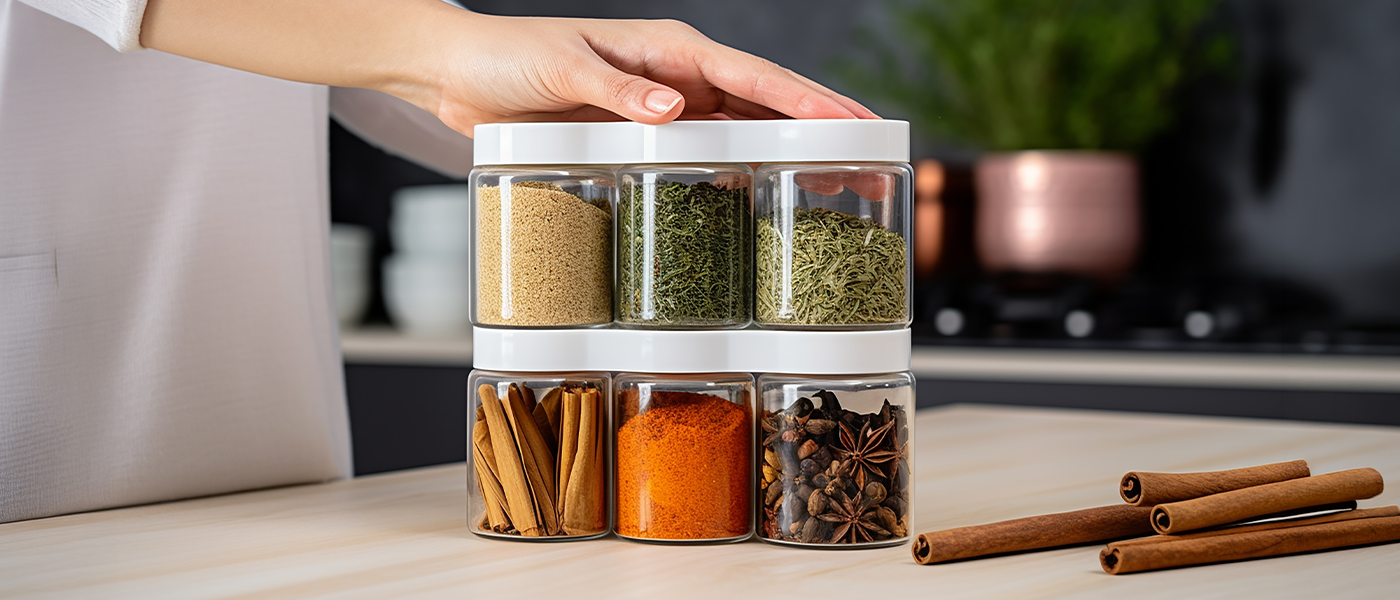
In Ayurveda, food itself is considered medicine, and the spices in your kitchen masala box are among the most powerful daily healing tools. What may seem like simple ingredients used for flavour are actually rich in digestive, metabolic, and therapeutic properties. These everyday spices work gently with the body to support digestion, enhance nutrient absorption, and prevent toxin formation when used correctly and consistently.
Unlike quick-fix remedies, these spices provide sustained digestive support by naturally strengthening Agni. They stimulate digestive enzymes, improve gut movement, and help balance the doshas. In fact, Ayurveda emphasises that healing begins in the kitchen, and regular use of the right spices can not only prevent indigestion but also correct minor imbalances before they turn into disease. Your masala box is therefore not just about taste, it is your first line of defence for maintaining digestive health.
Understanding Indigestion in Ayurveda
Indigestion, known as Ajirna in Ayurveda, is not merely a temporary discomfort but a reflection of impaired digestive function. It arises when Agni—the digestive fire—becomes weak, irregular, or excessively sharp, preventing proper breakdown and assimilation of food. As a result, undigested food turns into Ama, a toxic metabolic waste that accumulates in the body and disrupts normal physiological processes.
Ayurveda explains that digestion is influenced not only by the quality of food but also by mental state, eating habits, and lifestyle. Even nutritious food can lead to indigestion if consumed improperly. Over time, repeated episodes of indigestion weaken the system further and contribute to dosha imbalance. This is why classical Ayurvedic texts state that most diseases originate from poor digestion, emphasising the importance of maintaining a strong and balanced Agni for overall health and well-being.
Common Symptoms of Indigestion
- Bloating
- Gas
- Heaviness
- Acidity
Symptoms may vary depending on the type of Ajeerna (indigestion) and underlying dosha imbalance. Ayurveda classifies indigestion as follows:
- Vishtabdajeerna (Vata type): Caused by irregular eating and dry foods; leads to bloating, gas, abdominal pain, and dryness
- Vidagdajeerna (Pitta type): Caused by excess spicy, sour, or hot foods; leads to acidity, burning sensation, nausea, and thirst
- Amajeerna (Kapha type): Caused by heavy, oily, and cold foods; leads to heaviness, lethargy, nausea, and loss of appetite
-
Amaja Ajirna (toxin-related): Severe condition marked by toxin accumulation, foul belching, coated tongue, fatigue, and body ache
7 Powerful Spices in Your Masala Box for Digestion
Ajwain (Carom Seeds) — Best for Gas & Bloating
Ajwain is one of the most potent digestive spices in Ayurveda, known for its strong Deepyaka (kindling digestive fire) and Pachana (digestive) properties. It works by stimulating Agni, helping the body break down even heavy or difficult-to-digest foods. Ajwain is especially beneficial for relieving gas, bloating, and abdominal discomfort, making it highly effective in Vata-related digestive issues. Its natural carminative action helps expel trapped gas and ease intestinal spasms, providing quick relief from colic pain. Regular use of ajwain not only improves appetite but also prevents Ama formation by ensuring proper digestion at every stage.
Jeera (Cumin) — Improves Digestion & Absorption
Jeera, derived from the Sanskrit word “Jeerak” meaning “that which digests,” is a foundational spice for digestive health. It acts as a mild yet effective digestive stimulant that enhances Agni without aggravating the system. Jeera supports the secretion of digestive enzymes, improves nutrient absorption, and helps regulate bowel movements. Its carminative and antispasmodic properties make it useful in reducing gas, bloating, and abdominal discomfort. Additionally, it is beneficial in conditions like loss of appetite, indigestion, and malabsorption syndrome. Jeera is also known to support lactation, making it a versatile spice for overall health beyond digestion.
Saunf (Fennel Seeds) — Soothes the Gut
Saunf is a cooling and soothing digestive spice that balances Pitta and supports gentle digestion. Unlike heating spices, fennel calms the digestive tract and is particularly effective in relieving acidity, burning sensation, and bloating. Its sweet and mildly aromatic nature makes it ideal for post-meal consumption, as it freshens breath while aiding digestion. Saunf also helps regulate Vata, making it useful in conditions like constipation and gas. Beyond digestion, it offers additional benefits for skin, eyes, and hormonal balance, especially in women. Its mild yet effective action makes it suitable for daily use without causing imbalance.
Adrak (Ginger) — Boosts Digestive Fire
Fresh ginger is considered one of the most powerful natural remedies for improving digestion. Known for its Deepana and Pachana properties, it stimulates digestive fire, enhances metabolism, and improves appetite. Ginger acts as a gastrointestinal stimulant, helping in the proper breakdown and movement of food through the digestive tract. It is highly effective in reducing bloating, relieving nausea, and preventing constipation. Its warming nature makes it particularly beneficial for sluggish digestion and Vata-Kapha imbalances. Regular consumption of ginger, especially before meals, prepares the digestive system for efficient processing of food.
Kali Mirch (Black Pepper) — Enhances Nutrient Absorption
Black pepper is a powerful digestive stimulant known for its ability to enhance bioavailability—the absorption of nutrients and other herbs in the body. Its pungent and sharp qualities stimulate Agni, improve metabolism, and help clear Ama from the system. It balances Kapha and Vata doshas, making it useful in conditions like sluggish digestion, bloating, and respiratory congestion. Black pepper also improves taste perception and appetite while aiding in the breakdown of toxins. Its active compound, piperine, significantly enhances the effectiveness of other herbs, especially turmeric, making it a key component in Ayurvedic formulations.
Dhaniya (Coriander) — Balances Heat & Digestion
Dhaniya, or coriander, is a versatile spice that balances all three doshas while supporting digestion. It has a mildly cooling yet digestive nature, making it especially beneficial for Pitta-related issues like acidity and burning sensation. Coriander helps improve Agni without overheating the system and supports better taste perception and appetite. Its absorbent (Grahi) property makes it useful in conditions like diarrhoea and malabsorption. Additionally, coriander aids in detoxification and helps maintain overall digestive balance, making it suitable for regular consumption in daily meals.
Haldi (Turmeric) — Anti-inflammatory Digestive Support
Haldi is widely known for its anti-inflammatory and healing properties, but it also plays an important role in digestion. Its Pachana and detoxifying actions help reduce Ama and support gut health. Turmeric stimulates digestion while also protecting the digestive lining due to its anti-inflammatory nature. It balances all three doshas, particularly Kapha and Vata, and supports liver function, which is crucial for proper digestion and metabolism. In addition to its digestive benefits, turmeric enhances the colour, taste, and therapeutic value of food, making it an essential spice in everyday cooking.
Hing (Asafoetida) — Instant Relief for Gas & Bloating
Hing, or asafoetida, is a highly potent spice known for its immediate action on digestive discomfort, especially gas and bloating. It possesses strong Deepana and Pachana properties, helping to kindle digestive fire and improve the breakdown of food. Its Anulomana action restores the natural downward movement of Vata, making it highly effective in relieving abdominal distension, colic pain, and spasms. Hing also helps clear blockages in digestive channels and prevents toxin accumulation. Due to its strong and penetrating nature, it is used in small quantities but delivers powerful results, particularly in Vata-related digestive issues.
How These Spices Improve Digestion
- Increase Agni (digestive fire) and support efficient digestion
- Help break down food properly and improve nutrient absorption
- Prevent Ama (toxin) formation by ensuring complete digestion
- Balance doshas: Vata (reduces gas), Pitta (controls acidity), and Kapha (reduces heaviness)
- Support smooth movement of food through the digestive system
- Enhance metabolism and overall digestive strength
- Improve appetite and taste perception
- Enhance the sensory experience of food through flavour, aroma, and colour
- Stimulate digestion through senses like smell, taste, and visual appeal
- Spices like haldi not only provide anti-inflammatory benefits but also improve the colour and appeal of food
- Aromatic spices activate digestive responses even before eating begins
- Ayurveda emphasises that digestion starts from the senses, especially the tongue
- A well-prepared, flavorful meal naturally activates digestive enzymes and improves digestion
Simple Home Remedies Using Your Masala Box
Ajwain Water for Gas Relief
- Chew ½ tsp ajwain with a pinch of black salt after meals
- Relieves gas, bloating, and abdominal cramps
- Strong Vata-pacifying effect
Jeera Water for Better Digestion
- Boil 1 tsp jeera in a glass of water and sip warm
- Improves Agni and reduces bloating
- Helpful for post-meal heaviness
Ginger Remedies for Digestion & Metabolism
- Boil ginger in water and sip throughout the day for bloating and sluggish digestion
- Take fresh ginger with lemon and rock salt before meals
Hing Water for Gas & Discomfort
- Mix a pinch of hing in warm water
- Relieves gas, spasms, and abdominal distension
Fennel (Saunf) After Meals
- Chew fennel seeds after meals
- Reduces acidity, bloating, and bad breath
- Supports gentle digestion
Coriander Water for Acidity
- Soak coriander seeds overnight and drink in the morning
- Helps reduce acidity and burning sensation
- Supports mild detox
Trikatu Mix for Sluggish Metabolism
- Take a pinch of dry ginger, black pepper and pippali (in equal ratio) with honey
- Boosts Agni and reduces Ama
- Useful for heaviness and lethargy
Buttermilk with Jeera & Hing (Takra Therapy)
- Mix roasted jeera and hing in diluted buttermilk
- Improves digestion and absorption
- Helps reduce bloating and IBS-like symptoms
Clove for Nausea & Indigestion
- Suck on a clove or add to warm water
- Reduces nausea and improves digestion
Daily Habits That Improve Digestion Naturally
- Healthy digestion depends not just on what you eat, but also on how you eat and live
- Simple daily habits play a crucial role in maintaining a strong digestive system
- Eating warm, freshly prepared food helps keep Agni balanced
- Maintaining regular meal timings supports the natural digestive rhythm
- Avoiding overeating prevents a burden on digestion and Ama formation of Ama
- Giving proper gaps between meals allows complete digestion
- Avoiding distractions like screens while eating improves focus on food and digestion
- Reducing excessive talking during meals helps maintain digestive balance
- Chewing food properly enhances digestion and nutrient absorption
- Limiting cold, processed, and heavy foods supports better gut health
- Avoiding incompatible food combinations (Viruddha Ahara) prevents digestive disturbances
- Small, mindful lifestyle changes can significantly improve digestion
- Consistency in daily habits helps prevent long-term digestive imbalances
When Indigestion Becomes a Problem
Occasional indigestion is common, but when symptoms become frequent, it indicates a deeper imbalance in Agni. Signs such as chronic bloating, acidity, irregular bowel movements, heaviness, constant belching, or loss of appetite suggest that digestion is not functioning optimally. Over time, this can lead to toxin accumulation and more serious health concerns.
In such cases, relying only on home remedies may not be sufficient. Ayurveda recommends addressing the root cause through proper dietary changes, lifestyle corrections, and, if needed, guidance from an Ayurvedic practitioner. Early attention to digestive issues can prevent long-term complications and restore balance more effectively.
Conclusion
Your masala box is not just a collection of spices for enhancing taste, it is a powerful, everyday toolkit for maintaining digestive health. When used mindfully, these spices help strengthen Agni, prevent toxin buildup, and support overall well-being. Ayurveda teaches that true healing begins with small, consistent practices, and your kitchen is the first place where this healing starts. By making conscious choices in how you cook, eat, and live, you can transform your daily meals into a source of nourishment, balance, and long-term health.
Doonited Affiliated: Syndicate News Hunt
This report has been published as part of an auto-generated syndicated wire feed. Except for the headline, the content has not been modified or edited by Doonited