
Show Quick Read
Key points generated by AI, verified by newsroom

Iran-US War: China and Russia vetoed a United Nations Security Council resolution to reopen the Strait of Hormuz through military means, amid fresh threats from US President Donald Trump against Iran. The proposal, backed by the United States and several allies, aimed to ensure safe passage of goods through the strategic waterway. However, the veto has effectively blocked any immediate international military intervention, raising concerns over global trade disruptions and further escalation in West Asia.
#BREAKING
Russia, China VETO Security Council draft resolution concerning the situation in the Strait of HormuzVOTE RESULT:
In favor: 11
Against: 2
Abstain: 2 pic.twitter.com/AEMLWdaKeJ— UN News (@UN_News_Centre) April 7, 2026
China, Russia Block Hormuz Plan
The UN Security Council convened at a time when tensions in West Asia were at their peak, with the Strait of Hormuz emerging as a critical flashpoint. Gulf nations had pushed for military intervention to reopen the vital shipping route, citing disruptions to global supply chains.
Bahrain presented a revised proposal seeking coordinated military action to ensure the safe movement of goods and vessels through Hormuz. The plan received strong backing from the United States and several other member states.
However, when the resolution was put to vote, it failed despite receiving 11 votes in favour. China and Russia exercised their veto powers, blocking its adoption, while Colombia and Pakistan abstained.
The countries supporting the proposal included Bahrain, Congo, Denmark, France, Greece, Latvia, Liberia, Panama, Somalia, the United Kingdom, and the United States. The veto by two permanent members effectively halted any collective military action under the UN framework.
What The Vote Means
The United Nations Security Council comprises five permanent members-China, France, Russia, the United Kingdom, and the United States-each holding veto power that can override a majority decision.
The rejection has drawn concern from Gulf nations. Bahrain’s Foreign Minister, Abdullatif bin Rashid Al Zayani, said the outcome had disappointed regional countries seeking stability and uninterrupted trade flows.
Earlier, Russian Foreign Minister Sergei Lavrov had warned that reopening Hormuz by force could derail any remaining chances of a diplomatic solution. France had also expressed reservations about military intervention.
Rising Stakes In West Asia
The failure of the resolution has intensified uncertainty over the future of the Strait of Hormuz, a crucial route for global energy supplies. Representatives from the United Arab Emirates warned that disruptions are already driving up food and fuel prices, affecting billions worldwide.
The UAE also accused Iran of restricting access to the strait, calling for international action. However, with the UN route blocked, options appear limited.
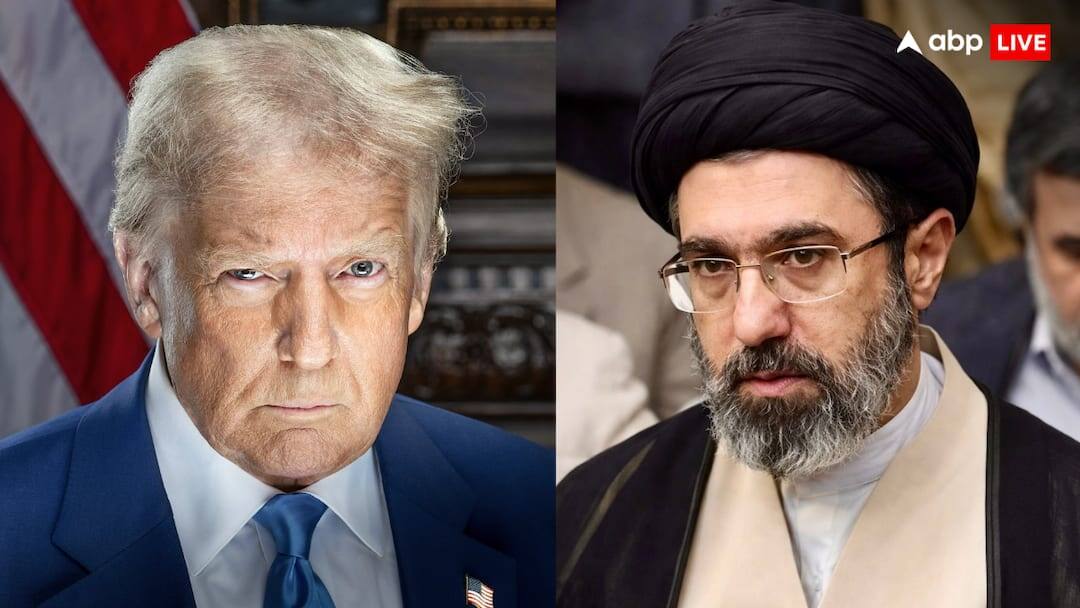
Meanwhile, Trump has warned of severe consequences, including threats to Iran’s “entire civilisation”, raising fears of further military escalation. Iran, however, has maintained a firm stance, insisting that any negotiations must include guarantees against future attacks and compensation for damages.
The developments signal a deepening geopolitical crisis, with global trade, energy security, and diplomatic stability all at stake.
Middle East Inferno: Iran Strikes US, Israel; Tehran Explosions Amid Supreme Leader Mystery
Doonited Affiliated: Syndicate News Hunt
This report has been published as part of an auto-generated syndicated wire feed. Except for the headline, the content has not been modified or edited by Doonited