A terror suspect accused of killing 15 people in a shooting spree on Bondi Beach has lost a bid to protect the identities of family members.
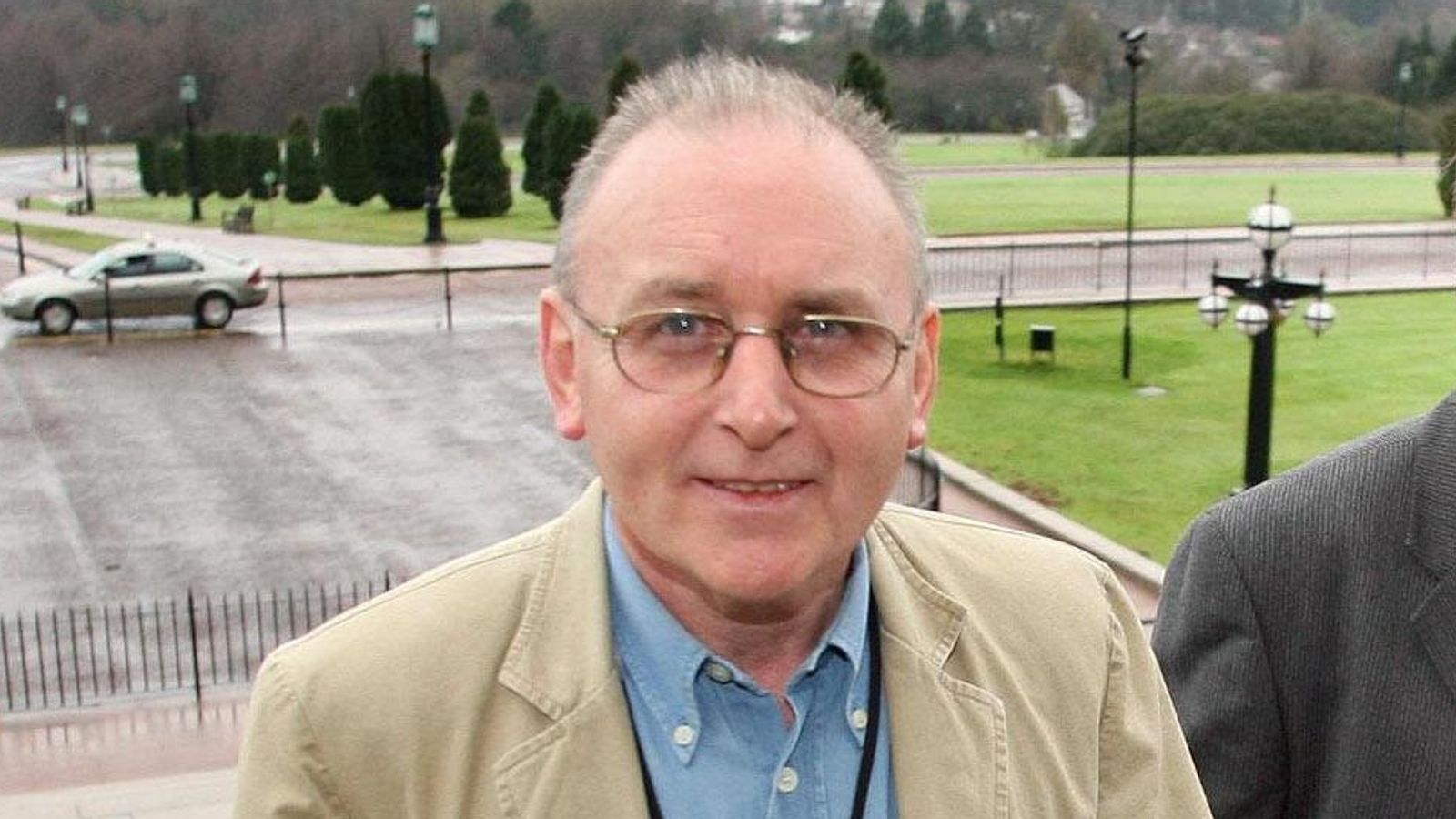
Naveed Akram allegedly opened fire on a Jewish Hanukkah celebration in Sydney, Australia, in December in an attack which police say was inspired by Islamic State.
His dad, Sajid, who police say was also involved in the shooting, was shot dead by police at the scene.
Akram is facing 59 charges over the attack, including 15 counts of murder and one count of committing a terrorist act.

The 24-year-old had sought a 40-year anonymity order to prevent the publication of the names or photographs of his mother, brother and sister as well as their addresses and places of work and school over concerns for their safety.
Akram’s bid was opposed by a number of Australian media groups, who argued the proposed order would prevent proper reporting of the case.
Judge Hugh Donnelly ruled in favour of the media, and said that the principle of open justice was fundamental to the trial.
He said that suppression orders “should only be made in exceptional circumstances”.
Judge Donnelly added: “This case has caused unprecedented public interest, anger, outrage and grief.”
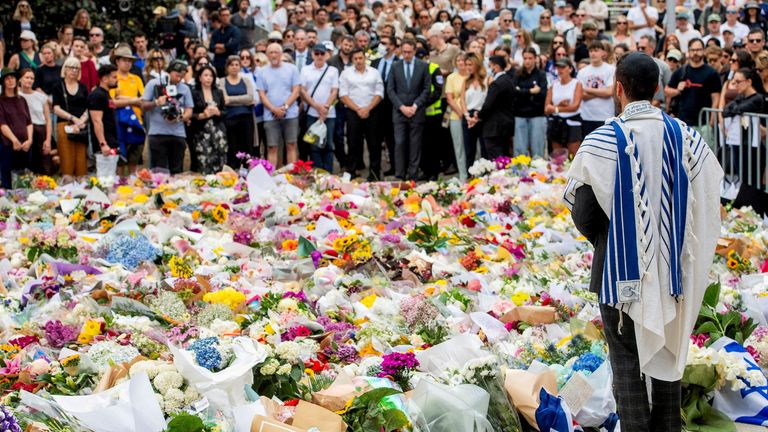
A member of the Jewish community stands at a floral memorial in honour of the victims of the mass shooting in December. Pic: Reuters
Akram’s driving licence, showing his home address, had been widely circulated online after the shooting, while his mother gave an interview to a local newspaper after the shooting, the court heard.
Social media platforms and overseas publications, would have been exempt from any order preventing publication of their identities, so it would have been ineffective in any case, Judge Donnelly added.
Read more from Sky News:
Dwindling diesel and jet fuel supplies in EU
Moment US journalist is kidnapped in Iraq
“This case is exceptional by virtue of the sheer magnitude and intensity of commentary on social media,” he said.
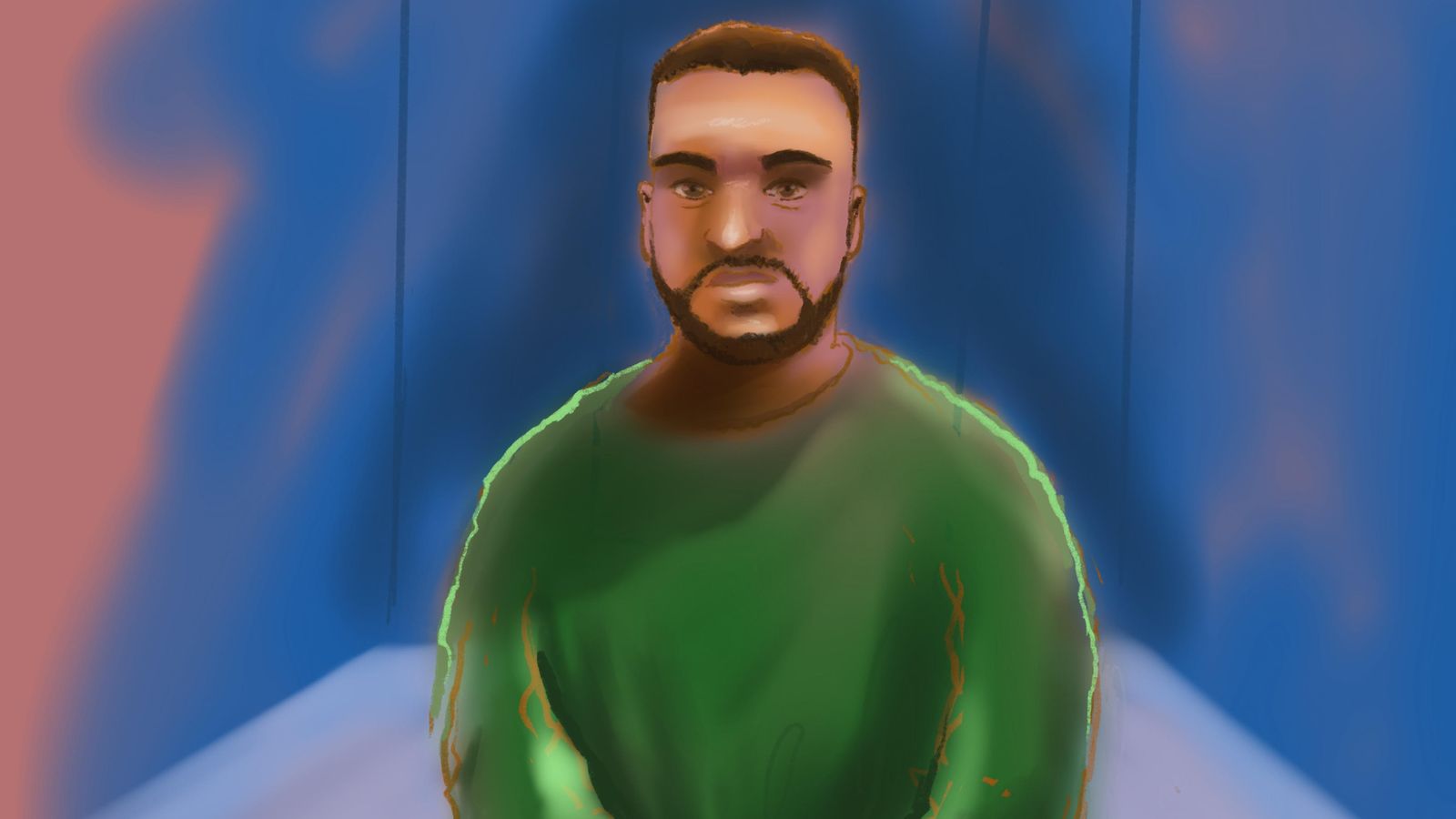
Akram, speaking via a video link, spoke only to confirm that he could hear the proceedings.
Richard Wilson, Akram’s barrister, told the court that he did not plan to appeal the decision.
The Bondi attack is regarded as Australia’s worst terror attack and biggest mass shooting since 1996.
It prompted the Australian parliament to strengthen gun control and hate speech laws, and a government-backed inquiry into antisemitism and social cohesion in the country was launched in the wake of the atrocity.
That inquiry is expected to report its findings by December this year.
Doonited Affiliated: Syndicate News Hunt
This report has been published as part of an auto-generated syndicated wire feed. Except for the headline, the content has not been modified or edited by Doonited