

Show Quick Read
Key points generated by AI, verified by newsroom

Tarique Rahman, leader of the Bangladesh Nationalist Party (BNP) and son of former Prime Minister Khaleda Zia, will take oath as Prime Minister following a sweeping electoral victory. His rise comes after the Awami League, led by India-friendly Sheikh Hasina, was unable to contest the election. The development raises key strategic questions for India, particularly regarding bilateral ties, minority security in Bangladesh, and the potential political impact on the Indian states of West Bengal and Assam, which share long and sensitive borders with the neighbouring country.
What Tarique Rahman’s Victory Means For India
Bangladesh shares nearly 4,000 kilometres of border with India, making stability in Dhaka central to India’s strategic and security interests. Prime Minister Narendra Modi was among the first global leaders to congratulate Tarique Rahman, expressing hope for strengthened bilateral cooperation and shared development goals. India has also sent Lok Sabha Speaker Om Birla to attend the swearing-in ceremony, signalling diplomatic engagement.
However, questions remain over whether Rahman will reciprocate the same warmth. His government’s handling of minority rights, particularly protection of Hindus following political unrest in Bangladesh, will be closely watched in New Delhi. Rahman has assured security for minorities, but implementation will determine the direction of India-Bangladesh relations.
Impact On West Bengal & Assam
The political shift in Bangladesh also carries implications for upcoming assembly elections in West Bengal and Assam. Both states have sizeable Muslim populations and have previously seen Bangladesh-related issues, including minority persecution and cross-border migration, become electoral flashpoints.
In West Bengal, BJP leader Suvendu Adhikari had strongly criticised the previous interim leadership under Muhammad Yunus and raised concerns over Jamaat-e-Islami’s alleged influence. However, Jamaat failed to secure decisive power in Bangladesh, winning only 68 seats and remaining outside government formation. This may weaken attempts to leverage Bangladesh’s political developments for religious polarisation in Indian state elections.
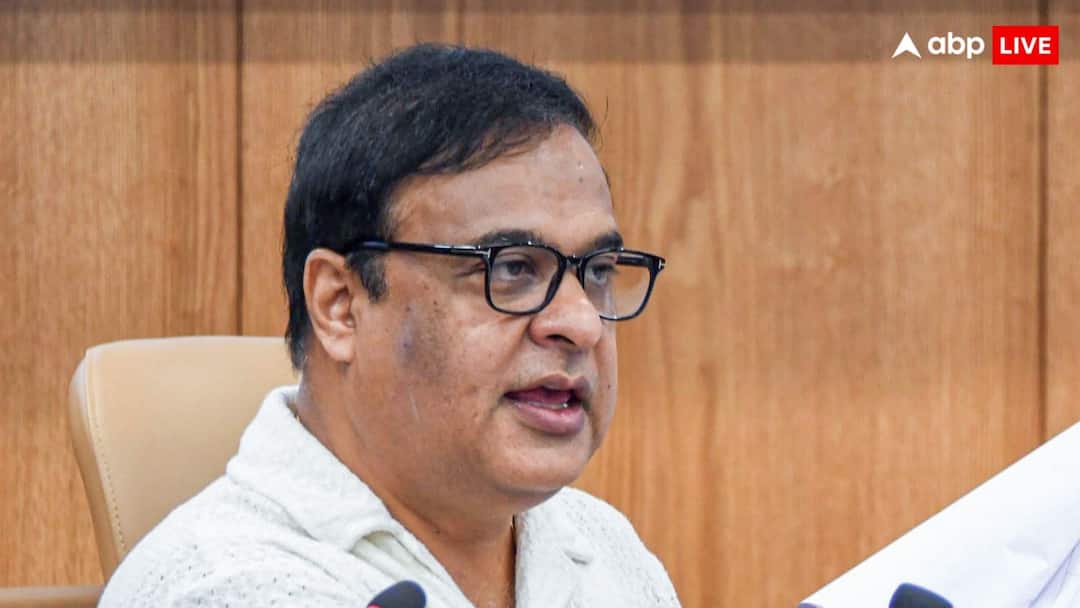
In Assam, Chief Minister Himanta Biswa Sarma had similarly expressed concern over cross-border infiltration and instability. Yet, with Jamaat unable to gain control nationally, its influence may remain limited.
Nonetheless, intelligence assessments suggest that Jamaat’s strong performance in several border districts, particularly those adjacent to Indian states, cannot be ignored. Reports warn of a potential long-term ideological ecosystem rather than immediate threats.
For India, the key variable will be whether Tarique Rahman strengthens cooperation and ensures stability along the border, reducing space for extremist networks. The trajectory of bilateral ties will ultimately shape both regional security and domestic political narratives in neighbouring Indian states.
UP POLITICS: Jal Jeevan Mission Under Scanner After BJP MLA Raises Concerns
Doonited Affiliated: Syndicate News Hunt
This report has been published as part of an auto-generated syndicated wire feed. Except for the headline, the content has not been modified or edited by Doonited