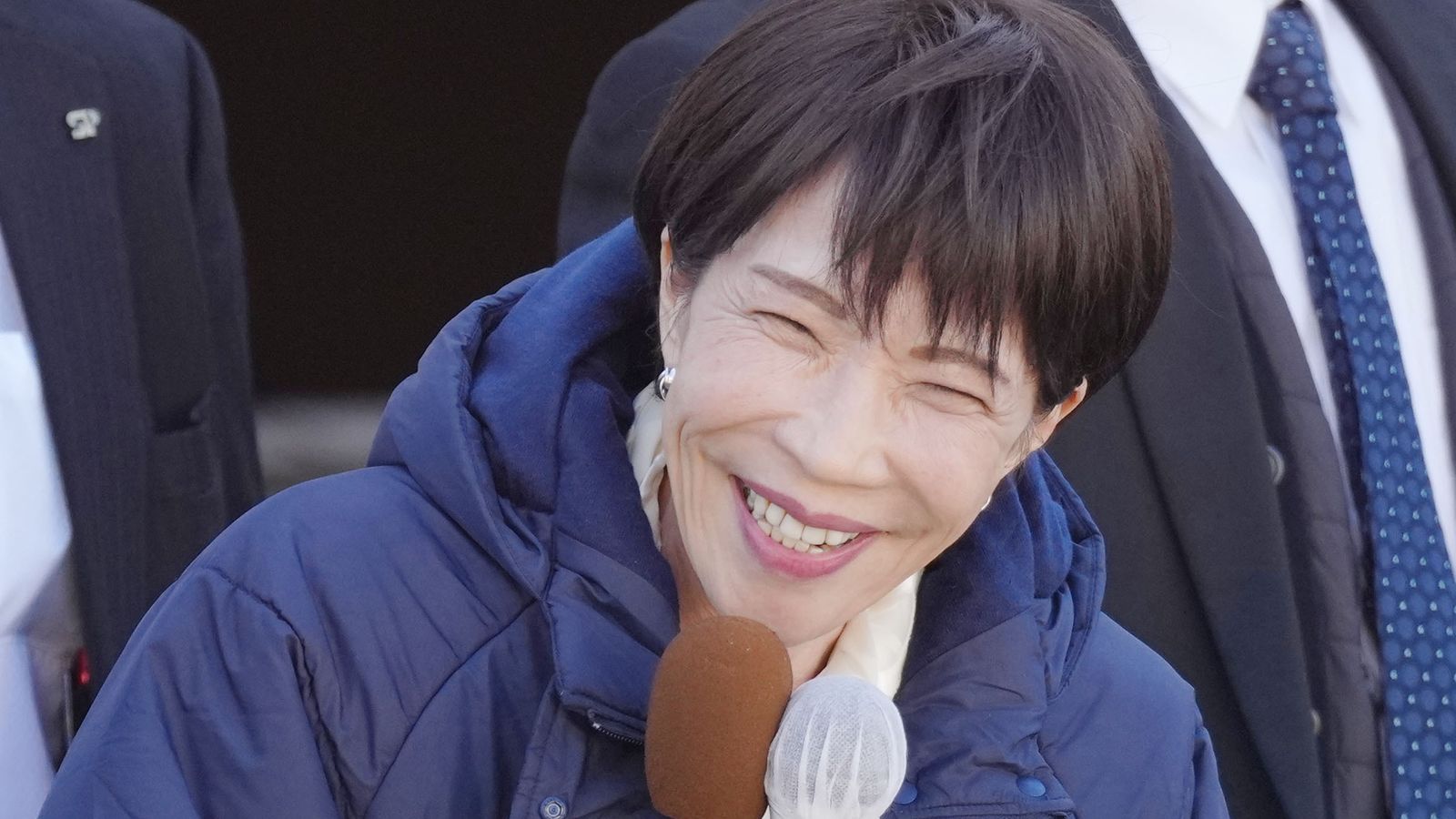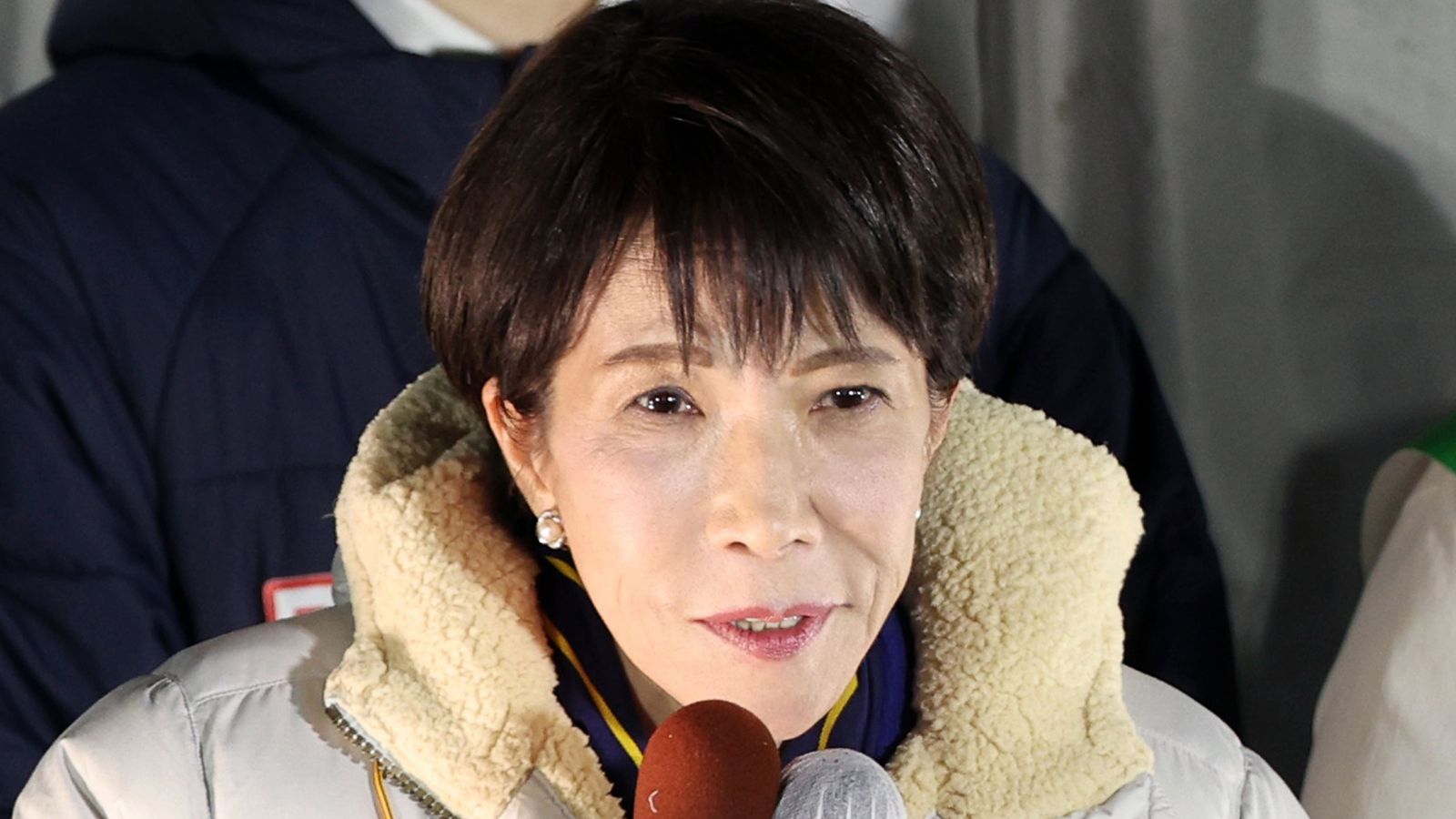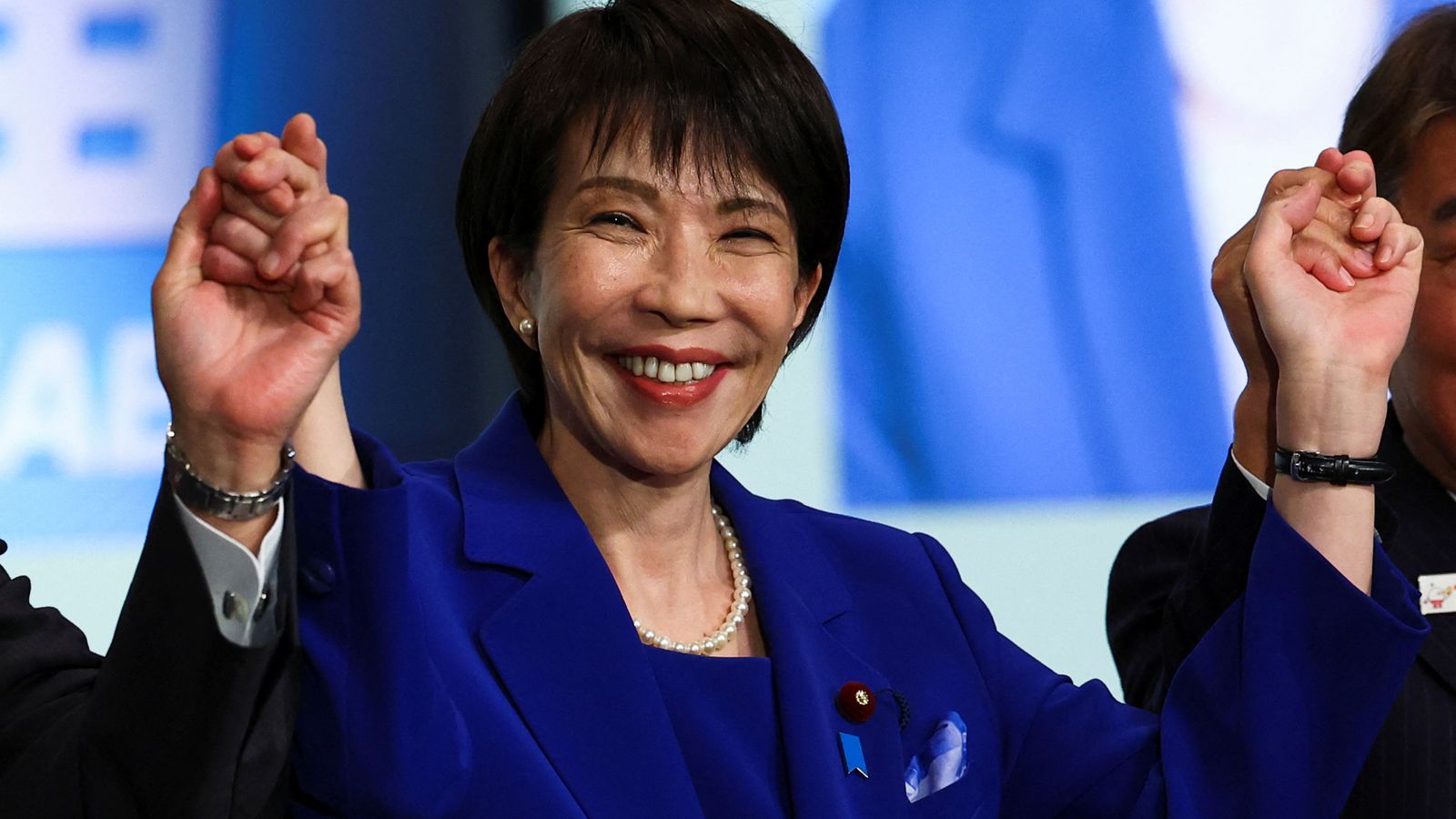

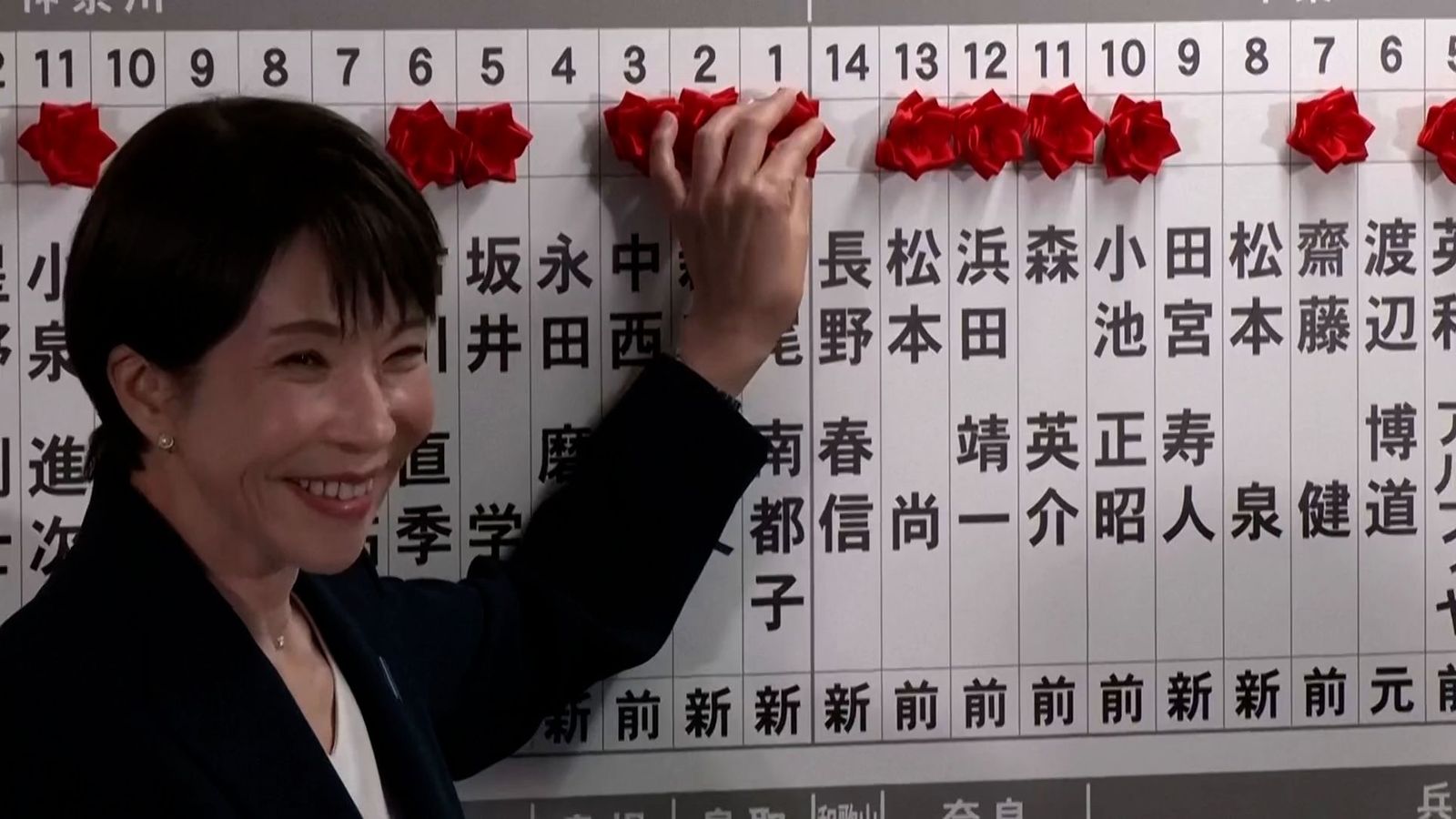
However you cut it, this is a one-woman story.
Sanae Takaichi has landed a mandate, a landslide so decisive that just a few months ago it would barely have been believed.
And it could well change Japan and this region.
When she assumed the leadership of the ruling Liberal Democratic Party (LDP) in October, following the resignation of her unpopular predecessor, the government she inherited was floundering; losing seats, losing trust and struggling to recover from a financial scandal.

In just four months, she’s managed to turn this into a supermajority, winning more seats than her party ever has since it was founded in the 1950s.
Alongside her coalition partner, she now has the numbers to not only change the constitution but override any challenge from the consultative upper house of Japan‘s National Diet.
It is, in essence, a carte blanche for her to see through her vision.
And see it through, she almost certainly will.
Indeed, many people we spoke to here cited her straight talking, consistent and “get-it-done” approach as being one of her biggest attractions.
“I think Japan will get better and better,” smiled one man enthusiastically at an LDP candidate’s watch party.
But Takaichi also comes with clear convictions about what it is she stands for and what she wants to achieve.
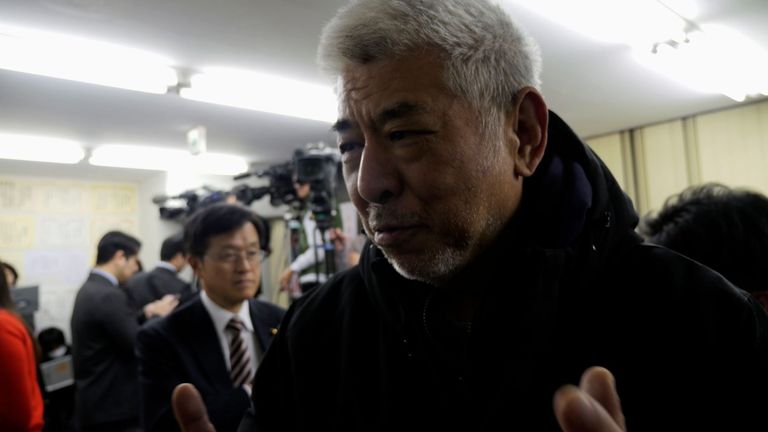
This man thinks Japan will only improve under Takaichi
Indeed, behind the drum-playing, selfie-taking and motorbike-riding force that has undoubtedly livened up a normally pretty dry political scene, she has an ultra conservative vision and a resolutely nationalist outlook.
Among the changes she is most likely to make are increasing Japan’s defence spending and altering the constitution to explicitly recognise its armed forces.
Read more:
Japan’s China-provoking PM raises the stakes
Can Japan’s first female PM tighten her grip on power?
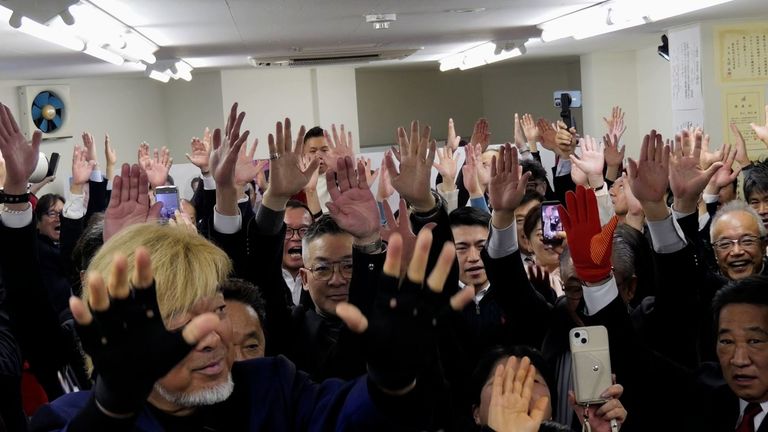
Supporters are overjoyed as exit polls predict a large majority for Takaichi’s LDP
This is controversial, as officially Japan is still a pacifist country whose forces are only meant to defend.
But support for these changes seems remarkably broad, even among younger voters.
Indeed, at a gathering of students watching the results together in Tokyo, the idea that Japan should be more confident, even assertive, was clearly a motivating factor, a sense, perhaps, that post-war apologism is now somewhat outdated.

This young woman explains how Takaichi gained her support due to her policies on national defence
“She used the catchphrase ‘strong and prosperous Japan’, and until now Japan’s prime ministers had not taken such a clear stance on national defence”, says one young woman.
“By using the word ‘strong’, I feel like it kind of broke through that sense of stagnation and cleared it away.”
But be in no doubt, China is watching, and it does not like what it sees.
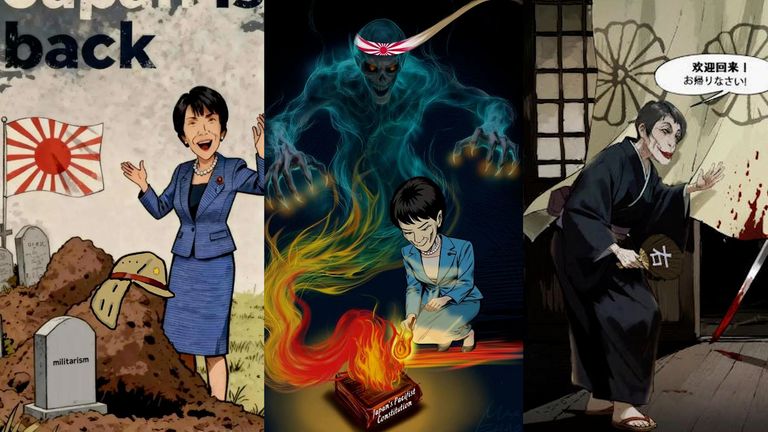
Takaichi has been targeted by Chinese state media
Aside from having suffered enormously under Japanese aggression during the Second World War, Takaichi has also made comments about the so-called Taiwan question that China finds deeply provoking.
The result has been a plunge in relations to their lowest ebb in over a decade.
Her victory will do nothing to fix that.
In the end, there could hardly have been a more decisive endorsement of everything Takaichi stands for: her conservatism, her nationalism, her vision for a more confident, more militarised Japan.
It matters not just because of what it says about changing sentiments here – a notable shift to the right – but also because of what it might mean for the stability of this region.
Doonited Affiliated: Syndicate News Hunt
This report has been published as part of an auto-generated syndicated wire feed. Except for the headline, the content has not been modified or edited by Doonited