

Show Quick Read
Key points generated by AI, verified by newsroom

A sudden drop in temperature might feel refreshing at first, but your body often tells a very different story. These rapid weather shifts can quietly disrupt your system, trigerring a range of health issues that many people fail to recognise.
As seasons transition, especially in India’s unpredictavle climate, understanding how your body reacts becomes essential. Are you unknowingly putting your health at risk? Here are six hidden health dangers linked to sudden temperature drops.
ALSO READ: 7 Health Benefits Of Kombucha That Make It One Of The Most Popular Wellness Drinks
1. Sudden Drops In Immunity Levels

When temperatures fall quickly, your immune system often struggles to adapt at the same pace. This imbalance can make your body more valuable to infections, even if you generally consider yourself healthy. The cold environment slows down the body’s natural defence mechanisms, making it easier for viruses to survive and spread. You may notice frequent sneezing, mild fever, or throat irritation, early signs that your immunity is taking a hit. This is especially common during seasonal transitions when your body is already adjusting internally. Ignoring these subtle signals can lead to prolonged illness. To counter this, maintaining a balanced diet, staying hydrated, and ensuring proper rest becomes crucial.
2. Increased Risk Of Respiratory Problems

One of the most immediate effects of a temperature drop is on your respiratory system. Cold air can irritate airways, leading to coughing, wheezing, or shortness of breath, particularly in individuals with asthma or allergies. Even for those without pre-existing conditions, breathing in cold, dry air can cause discomfort and inflammation in the lungs. Over time, this may develop into more serious respiratory issues if not managed properly. You might also experience nasal congestion or sinus pressure, which can affect your daily routine. Wearing protective layers, especially around the nose and chest, can help reduce exposure.
3. Joint Pain And Muscle Stiffness
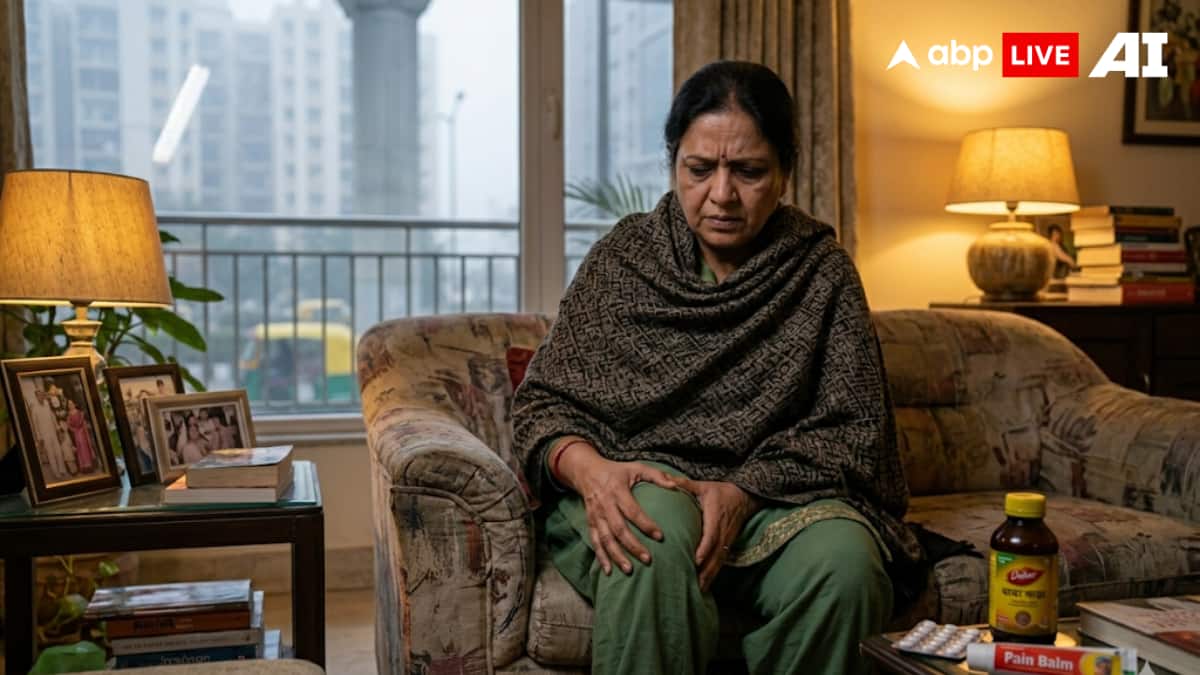
Have you ever noticed your joints feeling heavier or stiffer when the temperature drops? This is not a coincidence. Cold weather can cause muscles to tighten and joints to become less flexible, leading to discomfort or pain. For individuals with arthritis or previous injuries, this effect can be even more pronounced. The drop in temperature may reduce blood circulation to certain areas, increasing stiffness and slowing down mobility. Regular light exercise, stretching, and keeping the body warm can help maintain flexibility. Using warm compresses or gentle massages can also ease discomfort.
4. Sudden Blood Pressure Fluctuations
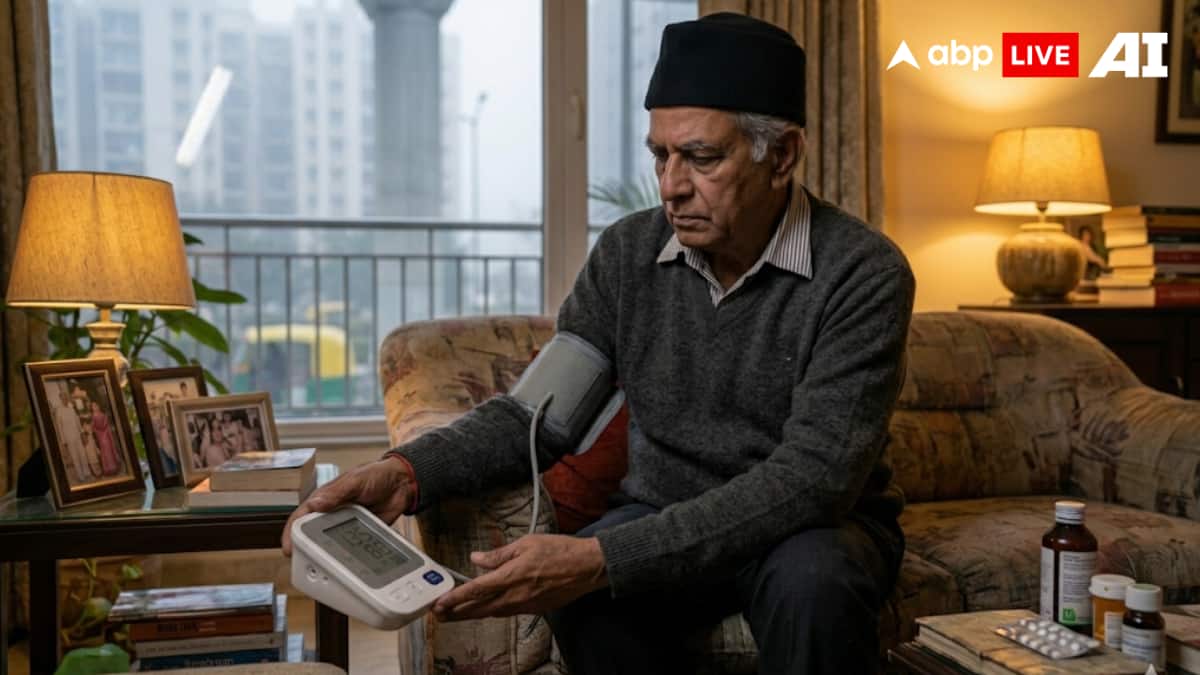
Temperature drops can have a direct impact on blood circulation. When it gets colder, blood vessels tend to constrict, which can lead to a rise in blood pressure. For individuals already dealing with hypertension, this can become a serious concern. These fluctuations often go unnoticed until symptoms like headaches, dizziness, or fatigue begin to appear. In extreme cases, it may even increase the risk of heart-related complications. Monitoring your blood pressure regularly during seasonal transitions is a smart preventive step. Wearing warm clothing and avoiding sudden exposure to cold environments can also help maintain stable circulation.
5. Skin Dryness And Sensitivity Issues

A drop in temperature often brings along a decrease in humidity, which can strip your skin of its natural moisture. This leads to dryness, irritation, and in some cases, itching or flaking. People with sensitive skin may experience redness or even mild rashes as the skin barrier weakens. Lips and hands are particularly vulnerable during sudden weather shifts. To protect your skin, it is important to switch to hydrating skincare routines. Using moisturisers, drinking enough water, and avoiding harsh soaps can help maintain skin health.
6. Mood Swings And Low Energy Levels
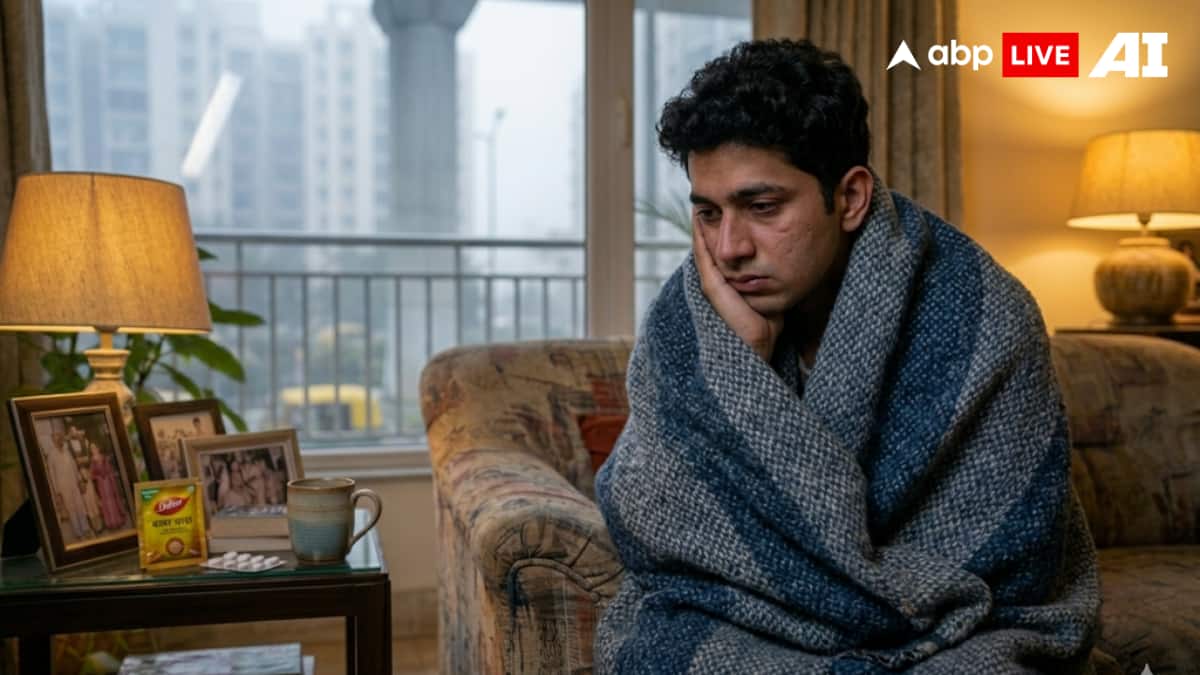
Sudden changes in temperature don’t just affect your physical health. They can influence your mental well-being too. Reduced sunlight and colder conditions may lead to mood swings, irritability, or a noticeable drop in energy levels. This shift often happens because your body’s internal rhythm gets disrupted. You may feel less motivated, more tired, or even slightly anxious without any clear reason. Staying active, getting enough sunlight, and maintaining a consistent routine can help stabilise your mood. Simple practices like light exercise or spending time outdoors during the day can improve both mental clarity and emotional balance.
[Disclaimer: The information provided in the article is intended for general informational purposes only. It is not a substitute for professional medical advice, diagnosis, or treatment. Always seek the advice of your physician or other qualified healthcare provider with any questions you may have regarding a medical condition.]
Check out below Health Tools-
Calculate Your Body Mass Index ( BMI )
Calculate The Age Through Age Calculator
Breaking: ED Busts UP Cough Syrup Smuggling Network, ₹400 Crore Fake Firms Scam Uncovered
Doonited Affiliated: Syndicate News Hunt
This report has been published as part of an auto-generated syndicated wire feed. Except for the headline, the content has not been modified or edited by Doonited